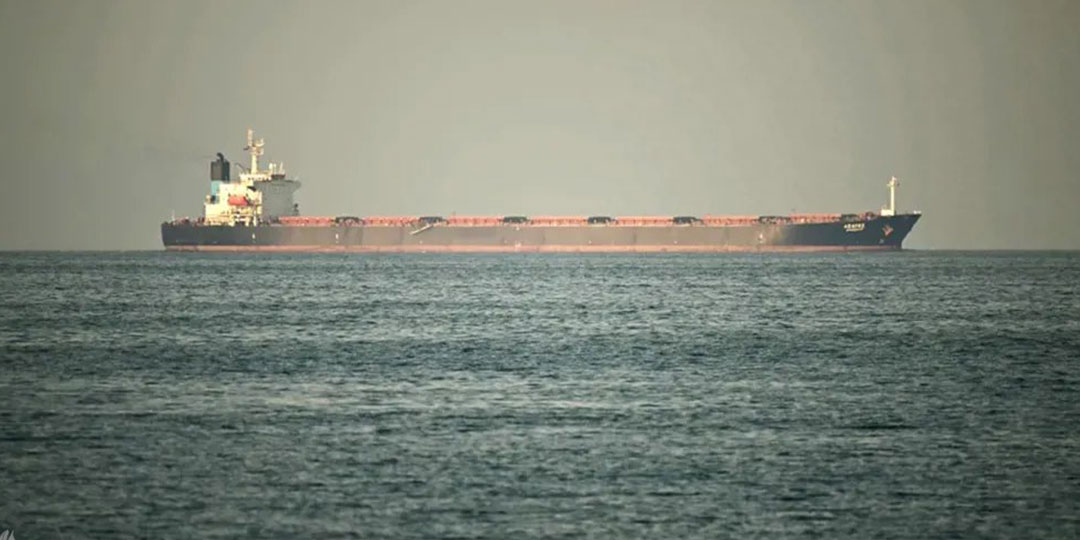

US Central Command said on Monday that it had rerouted 55 commercial vessels and disabled two since the naval blockade on Iran resumed, as tensions continue to rise over navigation in the Gulf and the Strait of Hormuz.
In a statement, the command said it remains engaged in a broad US military deployment across the Middle East to support enforcement operations linked to restrictions on Iran and to monitor commercial shipping.
US military deployment in the region
The statement said US sailors were conducting watch patrols aboard the destroyer USS Ross (DDG 71), one of more than 20 US warships deployed in the region.
According to Centcom, the deployment is part of military tasks that include strict enforcement of the US blockade on Iran and close monitoring of vessels moving through key sea lanes.
Ship rerouting and inspections
Centcom said that as of August 9 it had rerouted 55 commercial vessels, disabled two ships and inspected two others to verify compliance with the blockade.
The figures, the statement added, reflect continued pressure on maritime traffic linked to Iran as the US seeks to tighten oversight in the area.
Tehran links Hormuz reopening to its demands
In response, Iran’s Islamic Revolutionary Guard Corps said reopening the Strait of Hormuz depends on Washington accepting Tehran’s conditions, while Iranian officials said those demands include compensation for wartime damage.
Tehran said it effectively controls the strait since the war began and that ships currently pass only through a route coordinated with Iranian authorities and hugging its coastline.
Trump comments on limited talks
US President Donald Trump said in an interview with Axios that the US was “dealing with this calmly” and that there were “limited talks” with Iran.
He added that Washington was watching Iran, describing the country’s economy as inflated and saying it had no money, while insisting the issue would eventually be resolved.
Blockade and economic pressure on Iran
Trump said the United States has imposed a blockade on Iranian ports since July, increasing economic pressure on Iran amid the ongoing maritime standoff.
The remarks come as the Gulf and the Strait of Hormuz remain highly sensitive, given their role in global oil flows and trade and the wider risks posed by any further escalation.
Conclusion:
The latest statements highlight the continuing standoff surrounding US Central Command and the naval blockade on Iran, as both sides seek to impose their own terms on shipping in the Strait of Hormuz. While Washington says it has intensified monitoring and inspections, Tehran says any reopening depends on acceptance of its demands.