
President Donald Trump said Monday that the United States has studied a proposal for a 45-day ceasefire with Iran, describing this diplomatic step as “crucially important” while simultaneously noting it is “not good enough.” The measured response came as Tehran immediately rejected any temporary truce, insisting instead on permanent conflict resolution. Trump indicated mediators are “negotiating now and we’ll see what happens,” suggesting continued diplomatic channels operate parallel to ongoing military operations. In a controversial disclosure, Trump also revealed that the US sent weapons to Iranian protesters through Kurdish intermediaries, accusing the Kurds of keeping the weapons for themselves.
The dual-track American approach reflects both diplomatic exploration and continued military pressure, with Trump maintaining maximum flexibility while avoiding commitment to any ceasefire arrangement. Iran’s absolute rejection of temporary arrangements suggests a fundamental gap between American and Iranian positions on conflict resolution.
Trump Evaluates but Doesn’t Approve the Ceasefire Proposal
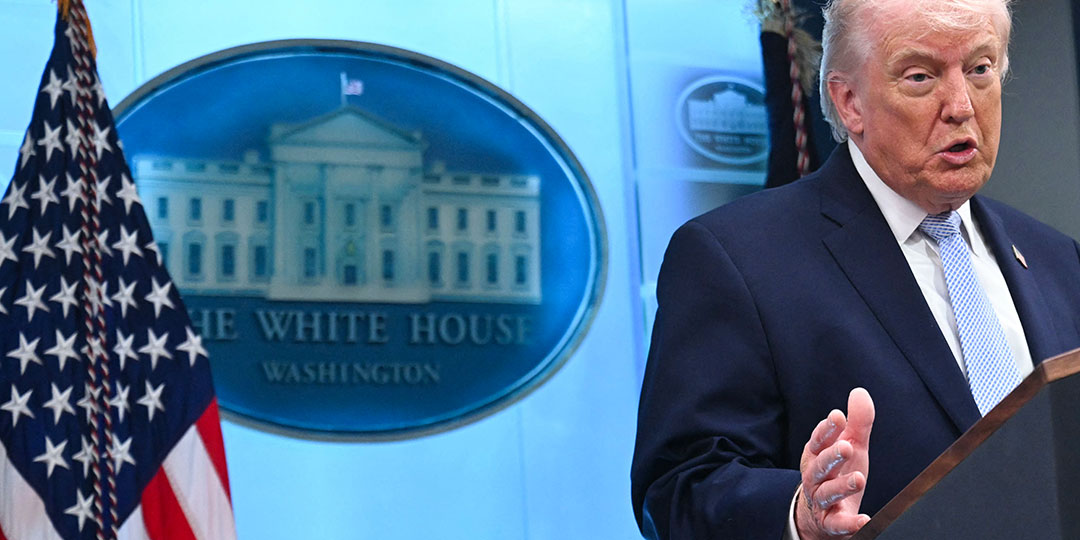
Trump told journalists at an Easter celebration at the White House: “It’s an important proposal, and an important step. It’s true it’s not good enough, but it’s a crucially important step.”
The US President indicated that mediators are “negotiating now and we’ll see what happens,” pointing to ongoing diplomatic processes. However, Trump’s explicit refusal to approve the proposal currently suggests he is seeking better terms or using the proposal as additional leverage against Iran.
White House Official Position
A White House official confirmed to AFP earlier Monday that the proposal “is one of several ideas on the table, and the President did not approve it.”
The official added: “The epic rage operation continues,” indicating that military operations persist regardless of diplomatic negotiations. This reflects an American strategy of simultaneous military pressure and diplomatic exploration, where military operations provide leverage for negotiating better terms.
Iran’s Immediate Rejection of Temporary Ceasefire
At virtually the same moment as Trump’s comments, Iranian state media reported Tehran’s sharp rejection of the proposed truce. Iran’s Islamic Republic News Agency (IRNA) stated: “In this ten-point response, Iran rejected a ceasefire and emphasized the necessity of a permanent end to the conflict.”
The synchronized timing of American and Iranian statements suggests coordinated public announcement rather than secret negotiation, with each side declaring its position openly for domestic and international audiences.
The Massive Gap Between Positions
A fundamental chasm separates the two positions. While Trump considers a 45-day pause “crucially important,” Iran rejects it entirely as insufficient. Tehran demands a “permanent end” meaning lasting conflict termination, not temporary military pause.
This gap suggests that any ceasefire agreement would require significant concessions from one or both parties, or alternatively, that continued conflict remains more likely than near-term resolution.
Trump Critiques Iranian Military Capabilities
During the White House Easter celebration, in the presence of First Lady Melania Trump and a giant cartoon Easter bunny character, Trump discussed Iranian military strength.
Trump stated: “This enemy is strong. Not as strong as it was about a month ago, I assure you of that.” He added: “Actually, it’s not very strong now in my view, but we’ll find out soon, won’t we?”
This assessment reflects Trump’s attempt to undermine Iranian morale, suggesting that American-Israeli strikes have significantly degraded Iranian military capabilities. The casual tone masks a serious message intended to weaken Iranian resolve.
Trump’s Economic Motivations and Oil Control
Trump made a striking personal comment regarding Iranian oil, stating: “If it were up to me, I would seize Iran’s oil.”
The American President added: “Unfortunately, the American people want us back home” and want to end the war. Trump said: “I would keep the oil, and I’d make a lot of money.”
This explicit statement reveals underlying economic motivations behind the conflict, suggesting American desire to control Iranian oil resources—a goal that extends beyond purely military or security objectives.
Disclosure of Weapons Sent to Iranian Protesters
Trump sparked major controversy Monday by revealing that Washington had sent weapons to Iranian protesters, but these weapons never reached their intended recipients. Trump stated: “We sent weapons, lots of weapons that were supposed to reach them [Iranians] so they could fight these bastards” (referring to government authorities).
The US President added: “You know what happened? The people we sent them to kept them for themselves.”
Accusations Against Kurds and Anger at Betrayal
Trump accused Kurds of keeping weapons intended for Iranian protesters. He said: “So I’m very angry at a certain group of people, and they will pay a high price for that.”
Trump had made these accusations against Kurds in a telephone interview with Fox News Sunday, with the network journalists later disclosing the call’s contents. The accusation suggests tension within the American-led coalition regarding weapons distribution and Kurdish autonomy in the region.
American Strategy of Supporting Iranian Protesters
Reports indicate that the United States attempted, in an unspecified timeframe, to send weapons to Iranian protesters against the government through Kurdish groups in the region.
An opposition protest movement erupted in Iran in late December 2025 due to rising cost of living, before expanding in scope and developing into full anti-government demonstrations.
Trump’s Previous Promises to Protesters
In January 2026, Trump promised Iranian protesters that “help is on the way.” Trump told Fox News Sunday: “We sent weapons to protesters, in large quantities,” before adding: “I think the Kurds kept the weapons.”
This disclosure reveals American attempts at internal interference in Iranian affairs by supporting anti-government protesters—a strategy that extends beyond conventional military operations.
Continued Military Pressure Despite Diplomatic Talks
Despite references to ongoing diplomatic negotiations, the White House official confirmed that the “epic rage operation” would continue. This means American-Israeli military operations will persist even if a temporary ceasefire agreement were reached.
This position reflects an American understanding that continued military pressure remains necessary to compel Iran to accept American-preferred terms.
Accelerating Diplomatic Developments
Multiple countries are seeking to mediate between the parties to find a diplomatic solution to end the 38-day war. The conflict erupted following Israeli and American attacks on Iran on February 28, which Tehran answered with missile strikes on targets throughout the Middle East.
Role of International Mediators
Pakistan, Turkey, and Egypt are believed to play primary mediation roles. However, the failure of these efforts so far indicates the magnitude of the gap between American and Iranian positions.
Countries continue diplomatic efforts despite low prospects for success, driven by concerns about regional stability and economic impacts of continued conflict.
Structural Obstacles to Ceasefire
The fundamental disagreement over ceasefire nature—temporary versus permanent—represents a structural obstacle to agreement. Additionally, Iran demands sanctions relief and permanent security arrangements, while the US seeks maximum flexibility and options for future action.
These incompatible demands suggest that any agreement would require one side to abandon core positions, making near-term resolution unlikely.
Conclusion:
Monday’s developments reveal the continued American dual-track approach: ongoing military pressure coupled with parallel diplomatic exploration. Trump’s explicit rejection of the 45-day proposal despite calling it “crucially important” indicates his pursuit of better terms. Iran’s absolute refusal of temporary arrangements reflects its determination for fundamental conflict resolution, not cosmetic pauses. Trump’s revelation about weapons for protesters exposes broader American strategy extending beyond direct military operations. With the gap between positions remaining vast, continued warfare appears more probable than near-term settlement, despite intensive diplomatic efforts by international mediators.