Friday, April 17, 2026
13 °c
Baghdad
28 ° Sat
26 ° Sun
23 ° Mon
23 ° Tue
  • en English
  • ar العربية
  • Login
Iraq News
  • Home
  • News
    • Breaking News
    • Local
    • Regional
    • International
  • Sports
  • Arts & Entertainment
  • Technology
  • Business & Economy
    • Business & Economy
    • Business Ideas (Iraq)
  • Health
  • Miscellaneous
No Result
View All Result
  • Home
  • News
    • Breaking News
    • Local
    • Regional
    • International
  • Sports
  • Arts & Entertainment
  • Technology
  • Business & Economy
    • Business & Economy
    • Business Ideas (Iraq)
  • Health
  • Miscellaneous
No Result
View All Result
Iraq News
en English ar العربية
No Result
View All Result
Home Business & Economy
Iran attacks Saudi petrochemical complex

A man refuels the tank of a motorcycle at a petrol station in Manila on April 7, 2026. (Photo by Jam STA ROSA / AFP)

Iranian Missile Barrage Strikes Saudi Petrochemical Complex as Regional Energy Infrastructure Faces Existential Threat

NEWS.IQ by NEWS.IQ
April 7, 2026
in Business & Economy
0
0
SHARES
15
VIEWS
Share on FacebookShare on Twitter

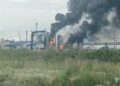
Iranian attacks overnight struck Saudi Arabia’s critical petrochemical infrastructure, hitting the SABIC (Saudi Basic Industries Corporation) plant in Jubail, one of the world’s largest industrial complexes, according to eyewitnesses on the ground who reported fires and explosions at the facility. The strike came hours after U.S.-Israeli forces targeted similar installations in Iran, marking an escalation of direct attacks on energy infrastructure by both sides. Saudi air defense forces intercepted and destroyed seven ballistic missiles targeting the kingdom’s eastern region, though debris from destroyed missiles fell near power facilities, prompting temporary closure of the King Fahd Causeway connecting Saudi Arabia and Bahrain. The barrage reflects Iran’s strategy of striking regional energy infrastructure in retaliation for U.S.-Israeli attacks, raising the specter of supply disruptions affecting global energy markets already destabilized by the closure of the Strait of Hormuz. The attacks triggered emergency responses across the region and prompted international leaders including Australia’s Prime Minister to seek emergency energy supply arrangements. Meanwhile, the Philippines reported inflation surging above 4 percent, driven by historically high fuel costs resulting from Middle Eastern conflict disruptions, signaling the crisis spreading to developing economies dependent on energy imports.

The targeting of petrochemical infrastructure suggests both sides are willing to risk humanitarian catastrophe and global economic damage in pursuit of military objectives.

Iranian Missiles Strike SABIC Petrochemical Complex in Jubail

A source on the ground in Saudi Arabia told AFP that overnight Iranian attacks struck the SABIC plant in Jubail, Saudi Arabia’s sprawling eastern industrial complex. The witness stated:

“An attack caused a fire at the SABIC plants in Jubail. The sounds of explosions were very loud.”

Jubail in eastern Saudi Arabia hosts one of the world’s largest industrial cities, where steel, gasoline, petrochemicals, lubricating oil, and chemical fertilizers are produced on massive scales serving global markets.

Strategic Importance of Jubail Industrial Complex

The SABIC facility attacked represents one of the world’s critical energy and chemical production centers. SABIC is Saudi Arabia’s primary petrochemical manufacturer, supplying chemicals and plastics globally. The complex employs thousands of workers and produces essential feedstocks for industries worldwide.

The targeting of such facilities suggests Iran intends to demonstrate capability to strike Saudi economic infrastructure and disrupt global supply chains, not merely military targets. The strategic messaging signals willingness to inflict broader economic damage in response to U.S.-Israeli attacks.

Saudi Air Defense Intercepts Seven Ballistic Missiles

Saudi Arabia’s air defense forces engaged an Iranian missile barrage targeting the kingdom’s eastern region, according to a defense ministry spokesperson. The ministry announced:

“Seven ballistic missiles were intercepted and destroyed. Parts of ballistic missile debris fell around power facilities; damage assessment is underway.”

The successful interception of the missiles prevented potentially catastrophic damage to additional energy infrastructure, though debris from destroyed weapons created secondary hazards for nearby facilities.

Debris Hazards and Infrastructure Vulnerabilities

The falling debris from intercepted missiles near power facilities highlighted vulnerabilities in air defense systems. Even successfully intercepted missiles can cause damage through falling wreckage, potentially disabling critical infrastructure. Damage assessment continued as authorities evaluated the full scope of the attack’s impact.

King Fahd Causeway Temporarily Closed

Authorities temporarily closed the King Fahd Causeway, a 25-kilometer series of bridges connecting Saudi Arabia and Bahrain, as a precautionary measure following security alerts in the area. The General Authority for King Fahd Causeway announced:

“The movement of vehicles across King Fahd Bridge has been suspended as a precautionary measure.”

The causeway represents a critical transportation link for regional commerce and commuter traffic between the two nations. The closure disrupted traffic and signaled ongoing security concerns about additional attacks.

Rapid Reopening Signals Confidence

Hours after the closure announcement, authorities reopened the causeway to traffic, suggesting that initial threat assessment indicated no imminent additional danger. The brief closure reflected a precautionary posture rather than sustained security emergency, though it underscored regional vulnerability to aerial threats.

Regional Pattern of Attacks on Energy Infrastructure

Saudi Arabia accused Iran of “regularly targeting its energy installations and infrastructure” since Tehran launched sustained attacks across the Gulf following U.S.-Israeli strikes on Iran in late February. The pattern reflects Iran’s strategy of demonstrating capability to strike critical regional infrastructure and impose economic costs on adversaries.

Previous Iranian attacks targeted oil production facilities, desalination plants, electrical infrastructure, and transportation networks throughout the region. The systematic nature of the targeting suggests coordinated strategy rather than opportunistic strikes.

Context of Israeli Strikes on Iranian Petrochemical Facilities

Hours before the Iranian attack on Jubail, Israel’s Defense Minister Israel Katz announced that his country had conducted “a powerful strike” on Iran’s largest petrochemical facility at Asaluyeh. Iranian media reported multiple explosions at the site, confirming damage to critical Iranian petrochemical infrastructure.

The sequence of strikes reflects escalating mutual targeting of energy infrastructure, with each side striking the other’s production and processing capabilities.

Global Petrochemical Supply Chain Implications

The targeting of major petrochemical facilities on both sides threatens global chemical and plastics supply chains. SABIC supplies feedstocks and chemicals globally, while Iranian facilities produce materials serving regional and international markets. Disruption of either nation’s production affects global chemical manufacturing, construction, automotive, and consumer product industries.

Evacuation of Workers from Affected Facilities

A source told AFP that workers from affected areas at the SABIC plants had been evacuated from their living quarters as a precautionary measure following the attacks and fires. The evacuation reflected safety concerns regarding potential secondary explosions, toxic chemical releases, or additional strikes.

Worker safety concerns at industrial facilities facing active military attacks raise humanitarian questions, particularly when facilities produce hazardous chemicals that could endanger surrounding populations if damaged.

Global Energy Crisis Deepens; Australia Seeks Emergency Supply Arrangements

The attacks on critical energy infrastructure prompted international responses from nations dependent on Middle Eastern energy supplies. Australian Prime Minister Anthony Albanese announced plans to travel to Singapore from April 9-11 to discuss securing petroleum imports as oil prices surge during the Middle East conflict.

Albanese stated: “Australia is facing a more uncertain world, and therefore the certainty of those clear, close relationships is more important than ever.”

Australia relies on imports for an estimated 90 percent of refined petroleum products, with Singapore serving as its largest single supplier.

Energy Security Concerns for Import-Dependent Nations

Australia and Singapore committed in a joint statement last month to maintain fuel flows between nations and strengthen energy supply chain resilience. Singapore’s Energy, Science and Technology Minister Tan See Leng stated that Singapore would continue refining operations and not impose export restrictions.

However, the underlying message of high-level emergency meetings underscores anxiety regarding fuel availability and price stability as regional conflicts threaten supply chains.

Australian Fuel Supply Status

The Australian government reported that service station outages were declining, with 241 stations (three percent of total) having no diesel and 141 having no gasoline on Tuesday. Energy Minister Chris Bowen stated that Australia maintains approximately 29 days of diesel supply, 39 days of petrol, and 30 days of jet fuel, with levels remaining “pretty static.”

The government halved its fuel tax on petrol for three months to help alleviate rising costs for motorists and truck drivers facing inflationary pressures.

Philippine Inflation Surges Above 4 Percent; Developing Economies Suffer

The Philippines reported inflation jumping dramatically to 4.1 percent in March 2026, the highest rate in nearly two years, driven by historically high fuel prices caused by Middle East conflict disruptions. The spike from 2.4 percent in February represented acceleration across multiple economic sectors.

National Statistician Dennis Mapa explained: “The main reason for the rise in inflation this March 2026 compared to February is the increase in transport prices, with a 9.9 percent inflation rate.”

The cost of diesel, used in virtually all public transportation, jumped nearly 60 percent, directly impacting transport sector inflation.

Philippine Energy Emergency and Supply Chain Responses

The Philippines declared a “national energy emergency” and opened supply chains with non-traditional partners including Russia to secure desperately needed oil. The government implemented emergency measures including cash handouts for transport workers and a four-day work week for civil servants to reduce fuel consumption.

The economic planning department reported: “Non-food inflation rose to 4.9 percent in March 2026, with private transport inflation accelerating to 31.3 percent amid a surge in fuel prices.”

Food and non-alcoholic beverages also contributed to inflation pressure, rising at 3.0 percent annually in March compared to 1.8 percent the previous month.

Developing Economy Vulnerabilities

The Philippines’ experience demonstrates how Middle East conflict disruptions ripple through developing economies heavily dependent on energy imports. Transportation cost increases cascade through supply chains, affecting food prices, manufacturing costs, and overall economic growth. The Philippines’ reliance on imports for essential supplies makes it particularly vulnerable to global energy price shocks.

Philippine Diplomatic Engagement with Iran

Manila reported that Foreign Secretary Theresa Lazaro conducted a “productive phone conversation” with her Iranian counterpart, resulting in Tehran pledging to allow safe passage through the Strait of Hormuz for oil shipments bound for the Philippines.

The diplomatic arrangement reflected efforts by developing nations to secure critical energy supplies despite regional conflicts, though implementation and timeline remained unclear.

Global Fuel Price Pressures and Economic Consequences

Fuel prices reached historic highs in the Philippines and other developing economies since U.S.-Israeli strikes on Iran on February 28 prompted Tehran to block the Strait of Hormuz to shipping. The closure eliminated approximately one-fifth of global crude oil supplies from regional markets, triggering price surges affecting economies globally.

Developing nations with limited currency reserves and import-dependent economies faced particular vulnerability to sustained high fuel prices, threatening economic stability and social welfare.

Regional Air Defense Activation and Secondary Threats

The successful interception of Iranian missiles by Saudi air defense demonstrated technical capability but highlighted ongoing vulnerabilities. Even destroyed missiles create hazards through falling debris, as evidenced by wreckage falling near Saudi power facilities.

The pattern of Iranian missile barrages followed by successful defensive interceptions creates a dangerous equilibrium where both sides maintain capability to strike targets but air defenses prevent catastrophic damage—at least temporarily.

Strategic Implications of Energy Infrastructure Targeting

The mutual targeting of petrochemical facilities, oil terminals, and power generation infrastructure reflects both sides’ recognition that economic damage provides strategic advantage. By destroying or threatening energy infrastructure, belligerents impose costs on opposing nations’ allies and demonstrate capability for escalatory expansion.

However, the strategy risks escalation to humanitarian catastrophe, particularly if chemical facilities are damaged, releasing toxic materials into surrounding communities.

Global Supply Chain Fragility Exposed

The attacks on Jubail and other energy facilities expose vulnerabilities in global supply chains dependent on uninterrupted energy supplies and petrochemical feedstocks. Just-in-time manufacturing systems require reliable energy and raw material inputs. Disruptions at critical nodes like Jubail threaten manufacturing worldwide.

The concentration of petrochemical production in the Middle East means regional conflicts directly threaten global chemical, plastic, and pharmaceutical industries relying on these feedstocks.

Conclusion:

Iranian missile attacks struck the SABIC petrochemical complex in Saudi Arabia’s Jubail industrial region, marking escalation of direct attacks on energy infrastructure by both sides of the Middle East conflict. Saudi air defenses intercepted seven ballistic missiles, though debris from destroyed weapons threatened nearby power facilities. The attacks prompted emergency responses across the region, including temporary closure of the King Fahd Causeway and diplomatic efforts by Australia and other energy-import-dependent nations to secure emergency fuel supplies. The Philippines reported inflation surging above 4 percent as developing economies struggle with historically high fuel costs driven by regional conflict disruptions and Hormuz blockade. The pattern of mutual targeting of petrochemical and energy infrastructure threatens global supply chains, manufacturing industries relying on chemical feedstocks, and economic stability in import-dependent developing nations. As the conflict enters a new phase of direct strikes on civilian energy infrastructure, the humanitarian and economic consequences spread beyond Middle Eastern borders to affect billions of people globally dependent on stable energy supplies and affordable fuel prices.


ShareTweet
Previous Post

Trump Describes 45-Day Iran Ceasefire as “Crucially Important” While Rejecting It and Threatening Iranian Oil Seizure

Next Post

Samsung Posts Record Quarterly Profit as AI Chip Demand Soars; Anthropic Expands Computing Capacity

NEWS.IQ

NEWS.IQ

Iraqi News is an independent news platform that provides carefully edited news content sourced from a range of trusted media outlets. The platform gathers reports from established news agencies and media sources, and presents them in a clear and neutral manner, with a strong focus on accuracy, clarity, and credibility. Iraqi News is designed to offer a reliable and straightforward reading experience, allowing readers to follow current events through content brought together in one place.

Next Post
Samsung record profit AI chips - أعلنت عملاق التكنولوجيا الكوري الجنوبي سامسونج إلكترونيكس يوم الثلاثاء أن أرباح الربع الأول قد ارتفعت بنسبة 755 بالمائة سنوياً إلى مستوى قياسي بلغ 57.2 تريليون وون (37.9 مليار دولار)، مدفوعة بالطلب المتفجر على شرائح الذاكرة عالية الأداء الأساسية لتطبيقات الذكاء الاصطناعي. وصلت مبيعات الشركة إلى 133 تريليون وون (88 مليار دولار)، بزيادة 68 بالمائة مقابل نفس الفترة من العام الماضي، حيث تسابق قطاع التكنولوجيا العالمي لتلبية الطلب المتزايد على البنية التحتية للذكاء الاصطناعي. تعكس النتائج الاستثنائية ظهور سامسونج كلاعب حيوي إلى جانب شركة SK هينيكس الكورية الجنوبية الأخرى في توريد الشرائح المطلوبة من قبل الشركات في جميع أنحاء العالم التي تطور وتنشر أنظمة الذكاء الاصطناعي. في الوقت ذاته، أعلنت شركة الذكاء الاصطناعي الناشئة أنثروبيك عن شراكة رئيسية مع جوجل وشركة المعالجات برودكوم لتأمين حوالي 3.5 غيجاوات من سعة معالجة وحدات TPU (معالجات الموتّر) ابتداءً من السنة المقبلة، مما يشير إلى التزامات رأسمالية ضخمة لتوسيع البنية التحتية للذكاء الاصطناعي. كما يعيد قطاع الذكاء الاصطناعي المزدهر تشكيل صناعات أخرى، حيث يحقق المغنيون المولدون بواسطة الذكاء الاصطناعي نجاحاً في موسيقى الريف المصنفة، مما يثير أسئلة حول تأثير الذكاء الاصطناعي على العمل الإبداعي والتوظيف. ومع ذلك، فإن طفرة الذكاء الاصطناعي تسلط الضوء أيضاً على نقاط الضعف في سلاسل الإمدادات العالمية، حيث يحذر المحللون من أن الانقطاعات الناجمة عن الصراع في الشرق الأوسط قد تهدد إنتاج أشباه الموصلات إذا لم يتمكن من الحصول على مواد حرجة مثل الهيليوم من المنطقة. يشير تقارب الأرباح القياسية والاستثمارات الرأسمالية الضخمة والتطبيقات التكنولوجية الناشئة ومخاطر سلسلة الإمدادات إلى أن صناعة الذكاء الاصطناعي قد دخلت مرحلة نمو متفجرة بآثار عميقة عبر الاقتصادات العالمية. H2: سامسونج إلكترونيكس تُبلغ عن أرباح قياسية للربع الأول أعلنت سامسونج إلكترونيكس يوم الثلاثاء أن أرباح التشغيل للربع الأول وصلت إلى مستوى قياسي بلغ 57.2 تريليون وون (37.9 مليار دولار)، بزيادة سنوية بنسبة 755 بالمائة. وصلت مبيعات الشركة إلى 133 تريليون وون (88 مليار دولار)، بزيادة 68 بالمائة مقابل نفس الفترة من العام الماضي. صرحت متحدثة باسم سامسونج: "حققت سامسونج إلكترونيكس أعلى نتائجها على الإطلاق، مدفوعة بارتفاع الإيرادات والأرباح في قسم الحلول المركزة على الذاكرة (DS)." H3: الأداء يتجاوز توقعات محللي السوق تجاوزت أرقام أرباح التشغيل متوسط تقديرات المحللين بنسبة 36.7 بالمائة، وفقاً للبيانات التي جمعتها وكالة يونهاب الكورية الجنوبية. تمثل النتائج تعافياً من الأرباع السابقة مع إنشاء أرقام قياسية جديدة للشركة وسط الطلب العالمي المتزايد على أشباه الموصلات القادرة على الذكاء الاصطناعي. H2: الطلب على شرائح الذكاء الاصطناعي يدفع طفرة صناعة أشباه الموصلات تعكس الأداء الاستثنائي لسامسونج الطلب العالمي غير المسبوق على شرائح الذاكرة عالية النطاق الترددي المستخدمة في مراكز البيانات و"معجلات" الذكاء الاصطناعي التي تؤدي مهاماً حسابية معقدة. موضعت الشركة نفسها كمورد أساسي لشرائح الذاكرة الحاسمة لتطوير البنية التحتية للذكاء الاصطناعي في جميع أنحاء العالم. صرحت متحدثة باسم سامسونج: "ساعدت كفاءة الشركة في الأجهزة المنزلية والهواتف الذكية على تعزيز الأرباح." H3: طفرة أسعار شرائح الذاكرة وتوسع الهوامش قال محلل ريو هيونج كيون من شركة دايشين للأوراق المالية لوكالة فرانس برس: "مع الطلب المتزايد على شرائح الذاكرة، من المتوقع أن تحقق سامسونج أرقاماً أفضل حتى في الأشهر المقبلة." أضاف: "مع ملاحظتنا لقفزة في أسعار شرائح الذاكرة، ستتحسن هوامش الأرباح الخاصة بها بشكل أكبر لبقية العام." تعكس طفرة أسعار شرائح الذاكرة عدم توازن أساسي بين العرض والطلب حيث يتجاوز الطلب على أشباه الموصلات القادرة على الذكاء الاصطناعي بكثير سعة الإنتاج الحالية. H2: موقف كوريا الجنوبية الاستراتيجي في الذكاء الاصطناعي يتعزز تعهدت الحكومة الكورية الجنوبية بأن تصبح واحدة من أفضل ثلاث دول عالمية في الذكاء الاصطناعي، إلى جانب الولايات المتحدة والصين. يعزز الأداء القياسي لسامسونج موقع كوريا الجنوبية كلاعب حاسم في تطوير البنية التحتية العالمية للذكاء الاصطناعي. توفر السيطرة الثنائية للدولة من خلال سامسونج و SK هينيكس على توريد شرائح الذاكرة نفوذاً استراتيجياً في المنافسة العالمية المتزايدة على التفوق التكنولوجي في الذكاء الاصطناعي. H3: الآثار الاقتصادية الإقليمية يحمل ظهور كوريا الجنوبية كعقدة حاسمة في سلاسل الإمدادات العالمية للذكاء الاصطناعي آثاراً اقتصادية كبيرة على الدولة، مما يجذب الاستثمار والمواهب بينما ينشئ معايير تكنولوجية تشكل مسار تطور صناعة الذكاء الاصطناعي العالمية. H2: أنثروبيك تشارك جوجل وبرودكوم لتوسيع ضخم للسعة الحاسوبية أعلنت شركة الذكاء الاصطناعي الناشئة أنثروبيك يوم الاثنين عن شراكة رئيسية مع جوجل وشركة المعالجات برودكوم لتأمين سعة حاسوبية غير مسبوقة. قالت كريشنا راو، المدير المالي لأنثروبيك، في منشور على مدونة الشركة: "نحن نعقد أكثر التزاماتنا بالحوسبة أهمية حتى الآن لمواكبة نمونا غير المسبوق." أضافت: "نحن نبني السعة اللازمة لخدمة النمو الأسي الذي شهدناه في قاعدة العملاء الخاصة بنا مع تمكين كلود من تعريف حدود تطوير الذكاء الاصطناعي." H3: نمو إيرادات أنثروبيك والالتزامات الرأسمالية أفصحت أنثروبيك عن أن الشركة على مسار لجني حوالي 30 مليار دولار في الإيرادات خلال عام 2026، ارتفاعاً من معدل 9 مليارات دولار "في نهاية عام 2025". يمثل التوقع الإيرادات نمواً متفجراً يعكس الطلب المتزايد على خدمات كلود للذكاء الاصطناعي عبر أسواق المؤسسات والمستهلكين. H2: اتفاقية إمدادات معالجات GPU طويلة الأمد من برودكوم مع جوجل دخلت برودكوم في اتفاقية طويلة الأمد مع جوجل لتوريد أجيال مستقبلية من وحدات معالجة الموتّر (TPU) الخاصة بعملاق الإنترنت، مخصصة لتشغيل الذكاء الاصطناعي في مراكز البيانات، وفقاً لتقارير لجنة الأوراق المالية والبورصات. تتوسع الشراكة في التعاون بين الشركات لتوفير أنثروبيك إمكانية الوصول إلى حوالي 3.5 غيجاوات من سعة الحوسبة القائمة على TPU ابتداءً من السنة المقبلة. H3: التوزيع الجغرافي لبنية البيانات الحاسوبية ستقع معظم قوة الحوسبة من TPU في الولايات المتحدة، وفقاً لبيانات أنثروبيك. يعكس القرار اعتبارات تتعلق بسيادة البيانات والامتثال التنظيمي والقرب من مراكز تطوير الذكاء الاصطناعي. H2: موجة استثمار رأسمالي تعيد تشكيل البنية التحتية التكنولوجية تمثل الشراكات التي أعلنت عنها أنثروبيك وجوجل وبرودكوم أحدث موجة من الالتزامات الرأسمالية الضخمة التي تعيد تشكيل البنية التحتية التكنولوجية العالمية. تلتزم شركات التكنولوجيا بشكل جماعي بعشرات مليارات الدولارات لتوسيع السعة الحاسوبية لتلبية الطلب الأسي على الذكاء الاصطناعي. يشير معدل إيرادات أنثروبيك بقيمة 30 مليار دولار والتزامات توسيع البنية التحتية إلى ظهور الذكاء الاصطناعي كقوة اقتصادية مركزية تحكم الموارد قابلة للمقارنة مع قطاعات صناعية رئيسية. H2: نقاط الضعف في سلسلة الإمدادات لأشباه الموصلات رغم الطفرة، يحذر المحللون من الانقطاعات المحتملة في سلاسل الإمدادات العالمية لأشباه الموصلات إذا استمر الصراع في الشرق الأوسط. أخبر عضو من حزب الحكم الكوري الجنوبي الصحفيين الشهر الماضي أن مسؤولي سامسونج وشركات أخرى أثاروا مخاوف بشأن اضطرابات الإنتاج المحتملة إذا لم يتمكنوا من الحصول على مواد حرجة في سلسلة الإمدادات، خاصة الهيليوم، من الشرق الأوسط. H3: تهديدات الصراع في الشرق الأوسط لإنتاج الرقائق يسلط التحذير الضوء على كيف تهدد النزاعات الجيوسياسية الإقليمية سلاسل الإمدادات التكنولوجية العالمية بشكل مباشر. يعتمد الهيليوم والمواد النادرة الأخرى الضرورية لتصنيع أشباه الموصلات على الإمدادات من الشرق الأوسط، مما يخلق ضعفاً في انقطاعات مرتبطة بالنزاع التي قد تؤثر على تطوير البنية التحتية للذكاء الاصطناعي عالمياً. H2: أداء سهم سامسونج تعكس طفرة الذكاء الاصطناعي ارتفعت أسهم سامسونج بنسبة تزيد عن 240 بالمائة على مدى العام الماضي، مدفوعة بطفرة الذكاء الاصطناعي، مما يعكس ثقة المستثمرين في الموقع الاستراتيجي للشركة في سلاسل إمدادات البنية التحتية للذكاء الاصطناعي. تُظهر أداء السهم كيف يدرك المشاركون في السوق الأهمية الاقتصادية لقطاع الذكاء الاصطناعي ودور سامسونج كلاعب حاسم. H3: توقعات النمو المستقبلية وخطط التوسيع الرأسمالي خصصت سامسونج بالفعل مليارات الدولارات لتوسيع منشآت إنتاج الشرائح، حيث تتعهد بالاستمرار في الإنفاق في "الانتقال إلى عمليات التصنيع المتقدمة وترقية خطوط الإنتاج الحالية لتلبية الطلب المتزايد." توقعت شركة أبحاث TrendForce بمقر في تايبيه أن إيرادات صناعة شرائح الذاكرة العالمية ستقفز إلى أكثر من 840 مليار دولار في عام 2027، مما يشير إلى استمرار الطلب القوي على منتجات سامسونج خلال المستقبل القريب. H2: مخاطر منافسة لتوقعات سامسونج رغم الأرباح القياسية والتوقعات النمو القوية، تواجه سامسونج مخاطر منافسة قد تؤثر على الأداء المستقبلي. قال أستاذ الأعمال كيم دا جونج في جامعة سيجونج لوكالة فرانس برس: "إضراب نقابة العمال المقرر للشهر المقبل والحرب في إيران يثقلان التوقعات. الشرق الأوسط هو سوق رئيسية لسامسونج للأجهزة المنزلية، والطلب من المنطقة مهم جداً، مما يشكل مصدر قلق." H3: العلاقات العمالية والتهديدات الجيوسياسية يوضح تقارب إجراء نقابة العمل وصراع الشرق الأوسط كيف تواجه حتى الشركات المهيمنة متجهات مخاطر متعددة في نفس الوقت. يهدد إضراب نقابي مقرر باضطرابات الإنتاج بينما يهدد صراع جيوسياسي الطلب من أسواق إقليمية رئيسية. H2: إل جي إلكترونيكس تُبلغ أيضاً عن إيرادات قياسية للربع الأول أبلغت شركة إل جي إلكترونيكس، ثاني أكبر منتج أجهزة منزلية في كوريا الجنوبية، أيضاً عن توقع إيرادات قياسية للربع الأول بقيمة 23.73 تريليون وون، حيث قالت: "رغم عدم اليقين الاقتصادي الكلي المستمر، حافظت أعمال الشركة الأساسية، بما فيها الأجهزة المنزلية، على النمو بناءً على كفاءة المنتج القوية والمواقع السوقية الصلبة." تشير أداء إل جي إلى أن الطلب القوي يمتد بعيداً عن سامسونج إلى شركات التكنولوجيا الرئيسية الأخرى، مما يدعم نمو القطاع الأوسع. H2: طلب شرائح الذكاء الاصطناعي يدفع أسعار أجهزة المستهلكين للأعلى الطلب القوي على شرائح الذاكرة عالية النطاق الترددي المستخدمة في تطبيقات الذكاء الاصطناعي يدفع بشكل متزامن أسعار الشرائح الأقل تطوراً المستخدمة في الإلكترونيات الاستهلاكية للأعلى. وهذا يهدد بأسعار أعلى للهواتف الذكية والحواسب المحمولة والأجهزة الأخرى في جميع أنحاء العالم مع امتصاص الشركات المصنعة تكاليف أشباه الموصلات المتزايدة. يعكس الضغط التضخمي على أسعار الإلكترونيات الاستهلاكية كيف تنتشر تكاليف استثمار البنية التحتية للذكاء الاصطناعي عبر سلاسل الإمدادات مما يؤثر على تسعير المستخدم النهائي. H2: موسيقيون مولدون بواسطة الذكاء الاصطناعي يحققون نجاحاً في موسيقى الريف في تطور غير متوقع، يصنف المغنيون المولدون بواسطة الذكاء الاصطناعي بشكل روتيني بين أفضل فنانين موسيقى الريف المستمعين في الولايات المتحدة، بما فيهم Breaking Rust و Cain Walker و Aventhis و Outlaw Gospel. يسلم هؤلاء الفنانون المولدون بواسطة الحاسوب كلمات غنائية بأصوات "خشنة وغريبة تبدو أصيلة مثل الشيء الحقيقي." يثير ظهور موسيقى مولدة بواسطة الذكاء الاصطناعي أسئلة حول تأثير الذكاء الاصطناعي على الصناعات الإبداعية والتوظيف والأصالة الفنية في العصر الرقمي. H3: مخاوف الصناعة وقلق المؤلفين الموسيقيين عبرت كاسي جوردان، جزء من ثنائي الغناء Blue Honey، عن المخاوف: "نبدأ في رؤية الكثير من الناس يضعون الكلمات ببساطة في هذه الدردشات الآلية وتكتب لهم الأغاني. كمؤلف موسيقي، الأمر يشبه نوعاً ما، هل سيعتقد أي شخص أنني كتبت هذا فعلاً؟" لاحظ أستاذ جوزيف بينيت بكلية بيركلي للموسيقى أن العينة من المغنيين بالذكاء الاصطناعي استخدمت تعليمات "لا تتمتع بالتفاصيل بشكل خاص"، مما يشير إلى أن توليد موسيقى الذكاء الاصطناعي يعتمد على نهج صيغي يستغل اتفاقيات الأنواع الموسيقية. H2: ضعف موسيقى الريف تجاه محاكاة الذكاء الاصطناعي اقترح بينيت أن تطور موسيقى الريف الحديثة نحو "صوت مصقول للغاية وأكثر انبثاقاً لصيغ إيقاعية متكررة" قد جعل النوع الموسيقي عرضة بشكل خاص لمحاكاة الذكاء الاصطناعي. يُقال إن التحول نحو موسيقى ريف تجارية صيغية قد خلق بيئة حيث يمكن للذكاء الاصطناعي أن ينافس بنجاح الفنانين البشريين، على عكس التقاليد الفولكلورية المتنوعة التي تستند إليها موسيقى الريف السابقة. H3: تطور النوع الموسيقي والتوحيد الصناعي يتميز ولادة موسيقى الريف الحديثة بعد الإهمال السابق بواسطة موسيقى الراب والموسيقى اللاتينية بفنانين لديهم "حساسيات موسيقية أقوى للبوب، وليس الفولكلور." يجادل مراقبو الصناعة بأن هذه التسويق قد خلق نوعاً موسيقياً مركزياً على صيغ متكررة يمكن للذكاء الاصطناعي أن ينسخها بسهولة، على عكس التقاليد الموسيقية المتنوعة التي تستند إليها موسيقى الريف السابقة. H2: عدم وجود معايير كشف الموسيقى المولدة بالذكاء الاصطناعي من منصات البث انتقد أستاذ بينيت من بيركلي فشل منصات البث في تحديد الموسيقى المولدة بواسطة الذكاء الاصطناعي بشكل متسق، مشيراً إلى أن "Deezer هي المنصة الدفقية الرئيسية الوحيدة التي تصنف بوضوح هذا المادة." أصر بينيت: "نحتاج إلى كشف الذكاء الاصطناعي. وسيحدث، وهناك طلب استهلاكي له." H3: تقسيم المستهلك والمخاوف من الأصالة اقترحت هايز كورتز من Brother and The Hayes أن الجماهير تنقسم إلى مستمعين "سلبيين" غير مهتمين بأصول الموسيقى مقابل "مستمعين نشطين" الذين يحضرون الحفلات الموسيقية ويشترون بضائع الفرقة و"يحترمون بشدة أصالة الفنانين." يشير التمايز إلى أن تأثير الذكاء الاصطناعي قد يختلف حسب جزء السوق، مع الجماهير المشتركة التي تحتفظ بتفضيل أقوى لمؤديي البشر بينما يبقى المستمعون العاديون غير مبالين بالأصل. H2: التفاؤل بشأن مستقبل الإبداع البشري رغم المخاوف، يعرب البعض في الصناعة عن التفاؤل. قالت كاسي جوردان: "هناك موجة أخرى من فنانى الريف الذين يأتون يهتمون حقاً بفعل ذلك بالطريقة القديمة وإظهار العاطفة. سيكون من الأصعب على الذكاء الاصطناعي أن يكرر ذلك. قد ينقذ هذا النوع الموسيقي." يعكس الشعور الاعتقاد بأن الأصالة العاطفية الأعمق والضعف البشري يظلان صعباً على الذكاء الاصطناعي ليكرره بطريقة مقنعة. Conclusion: أعلنت سامسونج إلكترونيكس عن أرباح قياسية للربع الأول بقيمة 57.2 تريليون وون مدفوعة بالطلب المتفجر على شرائح الذكاء الاصطناعي، مما يعكس التزامات رأسمالية ضخمة من قطاع التكنولوجيا لتوسيع البنية التحتية للذكاء الاصطناعي. في الوقت ذاته، أمّنت أنثروبيك 3.5 غيجاوات من سعة الحوسبة من خلال شراكات مع جوجل وبرودكوم، مما يشير إلى توسيع مستمر لبنية البيانات الحاسوبية للذكاء الاصطناعي. قطاع الذكاء الاصطناعي المزدهر يعيد تشكيل صناعات متعددة، مع فنانين مولدين بواسطة الذكاء الاصطناعي يحققون نجاحاً كبيراً كفنانى موسيقى ريف، مما يثير أسئلة حول تأثير الذكاء الاصطناعي على التوظيف الإبداعي والأصالة الفنية. ومع ذلك، فإن طفرة الذكاء الاصطناعي تكشف أيضاً عن نقاط ضعف في سلسلة الإمدادات، مع تحذيرات من أن الصراع في الشرق الأوسط قد يعطل إنتاج أشباه الموصلات إذا منعت مواد حرجة من الحصول على الإمدادات من المنطقة. يشير تقارب الأرباح القياسية والاستثمارات الرأسمالية الضخمة والتطبيقات التكنولوجية الناشئة ومخاطر سلسلة الإمدادات إلى أن صناعة الذكاء الاصطناعي قد دخلت مرحلة نمو حاسمة مع آثار اقتصادية واجتماعية وجيوسياسية بعيدة المدى. مع استمرار القطاع في التوسع بوتيرة غير مسبوقة، من المرجح أن تشتد الأسئلة حول تأثيرات العمل والعمالة والابتكار الإبداعي وتعطل سلاسل الإمدادات والمنافسة الجيوسياسية طوال عام 2026.

Samsung Posts Record Quarterly Profit as AI Chip Demand Soars; Anthropic Expands Computing Capacity

ADVERTISEMENT

Latest News

Congress rejects Trump war powers Iran - الكونغرس يرفض تقييد صلاحيات ترامب ضد إيران

Congress Narrowly Rejects Resolution to Limit Trump’s Military Authority Against Iran

April 16, 2026
Syria regains U.S. military bases American withdrawal - سوريا تستعيد القواعد العسكرية الأمريكية الانسحاب

Syria Regains Full Control of Military Bases Following Complete U.S. Withdrawal

April 16, 2026
Lebanon ceasefire agreement Trump Israel - وقف إطلاق نار لبنان إسرائيل ترامب

Trump Announces 10-Day Ceasefire Agreement Between Lebanon and Israel

April 16, 2026
Paris Saint-Germain Lyon French Ligue 1 Round 30

PSG vs Lyon Highlights French Ligue 1 Round 30 Fixtures

April 16, 2026
Tehran Washington direct talks ceasefire - محادثات طهران واشنطن المباشرة وقف النار

US Officials Signal Optimism About Direct Tehran-Washington Talks Before Ceasefire Deadline

April 16, 2026
NEWS IQ

Covering the top local and global news from trusted sources across a wide range of topics — with accuracy and balance.
Follow us daily and stay informed with daily updates.

News

  • Breaking News
  • Local
  • Regional
  • International

Others

  • Sports
  • Arts & Entertainment
  • Technology
  • Business & Economy
  • Health
  • Miscellaneous
  • About Us

Tags

afghanistan aid army britain china climate conflict defence diplomacy economy eu fbl france gaza germany hamas health hezbollah iran iraq israel kurds lebanon military nuclear pakistan palestinians politics protests qatar rights russia saudi sudan summit syria toll trade trump turkey ukraine un us venezuela yemen

© 2026 Iraq News. Web development by AdamoDigi.

Welcome Back!

Login to your account below

Forgotten Password?

Retrieve your password

Please enter your username or email address to reset your password.

Log In
No Result
View All Result
  • News
    • Breaking News
    • Local
    • Regional
    • International
  • Sports
  • Arts & Entertainment
  • Technology
  • Business & Economy
    • Business Ideas (Iraq)
  • Health
  • Miscellaneous
  • en English
  • ar العربية
  • العربية (Arabic)
  • English