
A US strike on boat in the eastern Pacific resulted in the deaths of three men, the US military announced on Friday.
The operation is part of an ongoing campaign targeting vessels suspected of involvement in drug trafficking across the Caribbean Sea and eastern Pacific waters.
US Southern Command confirmed the strike in a statement posted on social media.
Southern Command confirms latest operation
US Southern Command, known as SOUTHCOM, said the targeted vessel was allegedly involved in drug trafficking activities.
The military did not release detailed evidence regarding the alleged cargo or the identities of those on board.
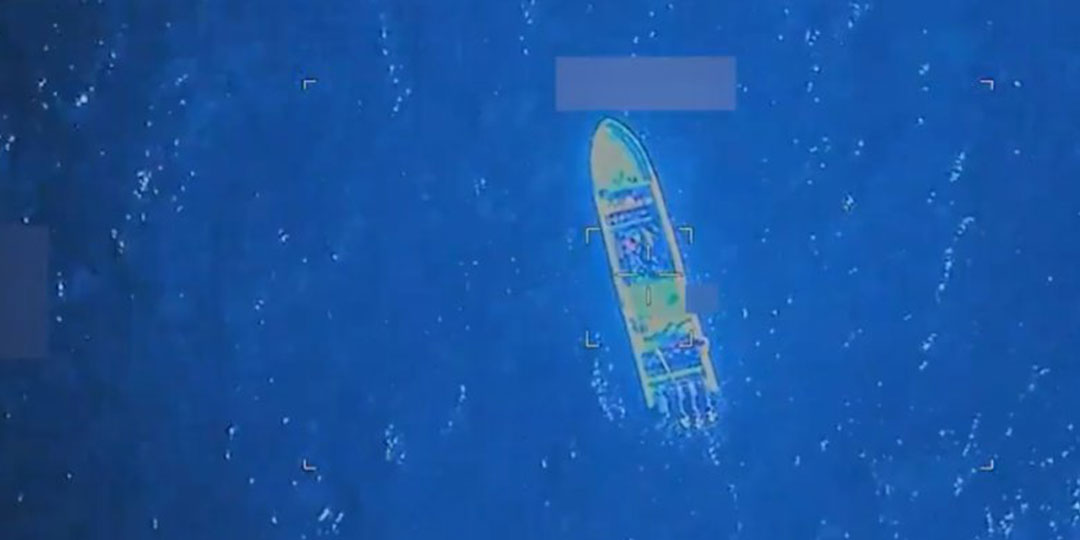
Video footage shared by the military showed a small boat navigating open waters before being struck and engulfed in flames. The vessel was later seen burning, with packages or objects floating nearby.
Third strike in one week
The attack marked the third such strike reported this week.
According to official figures, the total number of people killed in the campaign has now reached 202 since operations began in early September.
Two additional strikes were announced earlier in the week, on Tuesday and Wednesday.
Ongoing maritime anti-drug campaign
The United States has conducted maritime operations for several months targeting vessels suspected of transporting narcotics through the eastern Pacific and Caribbean regions.
Washington maintains that the strikes are aimed at disrupting transnational drug trafficking networks.
United Nations criticism
UN experts and officials have criticized the strikes, describing some of them as extrajudicial executions.
They have called for greater transparency and independent investigations into the circumstances surrounding the operations.
Key points
Three fatalities in the latest strike
Total reported deaths reach 202
Campaign ongoing since early September
UN calls for accountability and transparency
Conclusion:
The latest US strike on boat underscores the continuation of Washington’s maritime counter-narcotics operations in the eastern Pacific. While US authorities frame the campaign as a security measure, international criticism persists regarding the legality and oversight of such actions.