
Iraq is advancing a dual strategy to strengthen its economy by expanding its oil export infrastructure while implementing financial and economic reforms aimed at reducing reliance on oil revenues. The approach comes as global oil price volatility continues to challenge the country’s fiscal stability.
Iraq Moves Ahead with Oil Export Infrastructure
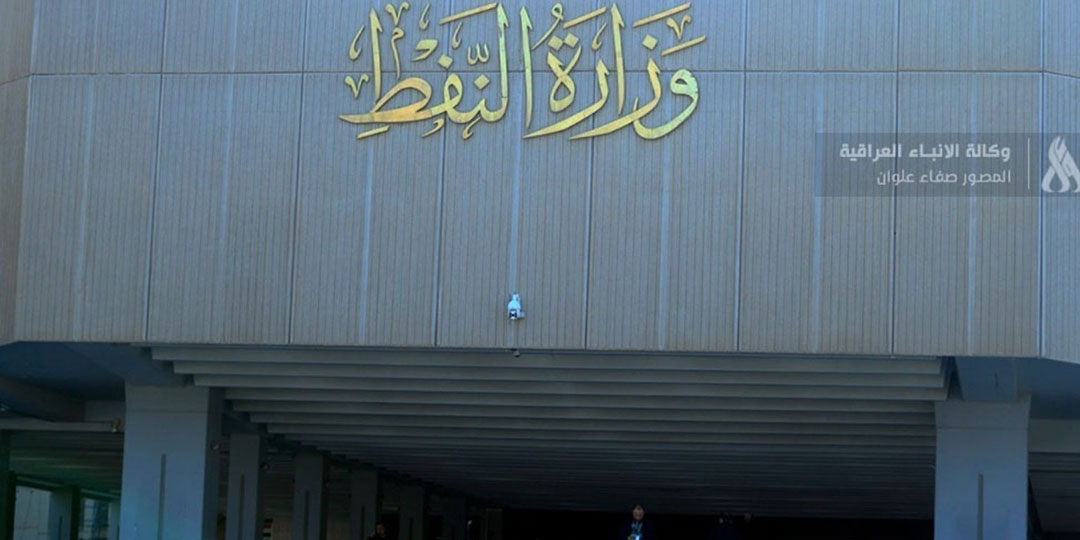
The Iraqi Ministry of Oil confirmed that work is continuing on preparations for the Basra–Haditha–Kirkuk–Ceyhan pipeline project as part of a broader plan to diversify the country’s oil export routes.
Ministry spokesperson Salim Al-Rikabi said the recently signed one-year agreement with Turkey is designed to ensure the continued export of Iraqi crude through the Ceyhan terminal, with an initial capacity of 750,000 barrels per day and the possibility of future expansion.
He added that Iraq is also studying additional pipeline branches from Haditha toward Syria’s Baniyas port and Jordan’s Aqaba port, seeking to improve export flexibility and reduce the impact of regional disruptions.
Market Volatility Affects Export Revenues
Al-Rikabi noted that regional conflicts and fluctuations in global energy markets have affected Iraq’s export volumes and oil revenues, emphasizing that the ministry is working to strengthen export infrastructure and secure stable access to international markets.
Government Pushes for Broader Economic Reform
Alongside efforts to reinforce the energy sector, Prime Minister’s advisor Mazhar Mohammed Salih said declining oil prices should be viewed not only as a challenge but also as an opportunity to restructure Iraq’s economy on a more balanced and sustainable foundation.
He stressed the need for a comprehensive fiscal reform program focused on efficient deficit management, rationalizing government spending, and protecting essential expenditures such as salaries, public services, and social welfare programs.
Diversifying Revenue Sources
Salih emphasized the importance of increasing non-oil revenues by improving tax collection, strengthening customs revenues, and expanding productive sectors including agriculture, industry, and tourism.
He also noted that domestic borrowing can provide temporary financial support but should complement—not replace—long-term structural reforms aimed at reducing Iraq’s dependence on oil income and improving economic resilience.
Conclusion
Iraq’s latest policy direction reflects a two-track strategy: strengthening oil export capacity through new infrastructure and international energy cooperation while accelerating economic reforms to diversify national income. Together, these measures are intended to improve the country’s resilience against oil market volatility and support long-term economic stability.