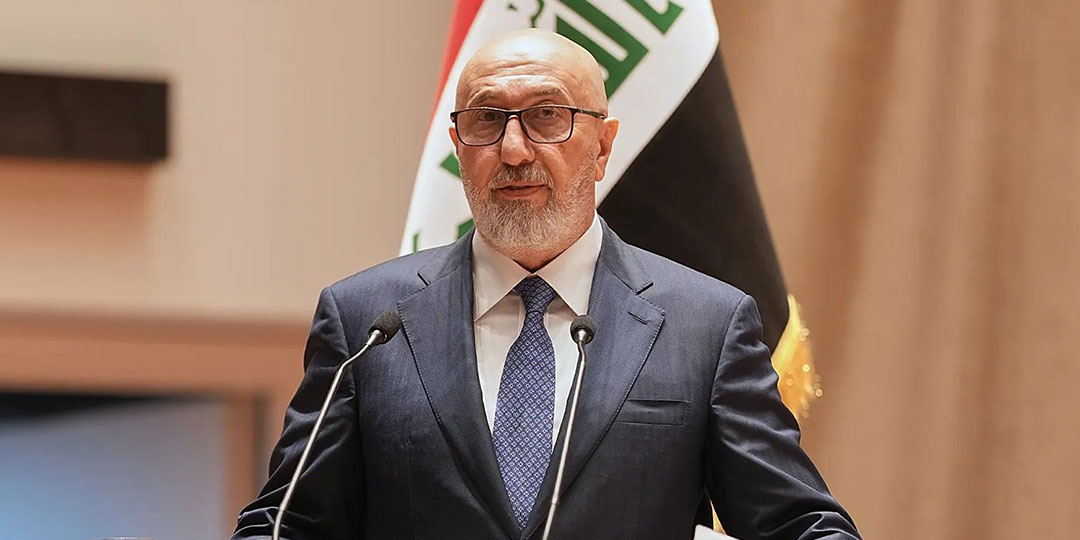

Nizar Al-Amidi officially assumed the presidency of the Republic of Iraq on Sunday in formal ceremonies held at Baghdad Palace, marking the completion of Iraq’s constitutional electoral process and reaffirming the nation’s commitment to democratic transition. The Presidential Office announced that “President Nizar Al-Amidi officially assumed the duties of his office as President of the Republic of Iraq through presidential ceremonies held Sunday, April 12, 2026 at Baghdad Palace.”
The ceremony featured traditional state symbols including the national anthem and an honor guard review reflecting state dignity and institutional continuity. Al-Amidi, the Kurdistan Democratic Party (KDP) candidate who secured 227 parliamentary votes, becomes Iraq’s sixth elected president since 2003. The United States Embassy in Baghdad immediately issued congratulations, pledging to work with the new Iraqi leadership toward mutual benefit. Former President Abdul Latif Rashid extended wishes for Al-Amidi’s success in serving national interests and fulfilling the aspirations of the Iraqi people.
Official Ceremony Marks Constitutional Presidential Transition
The Iraqi Presidency detailed the formal assumption of office. The Presidential Office stated “President Nizar Al-Amidi officially assumed the duties of his office as President of the Republic of Iraq through presidential ceremonies held Sunday, April 12, 2026 at Baghdad Palace.”
The ceremony followed constitutional procedures established for presidential transitions. According to the announcement, “The ceremony commenced with the playing of the national anthem, then President Al-Amidi reviewed the honor guard in a scene reflecting state symbolism and dignity, after which the new president was received by former President Abdul Latif Rashid where a meeting was held conducting the formal transfer of power ceremonies.”
Symbolic Representation and State Protocol
The ceremony incorporated traditional state symbols—national anthem, honor guard review, and official protocols—that reinforce institutional continuity and democratic legitimacy of the transition.
Praise for Outgoing President and Democratic Process
Al-Amidi expressed appreciation for his predecessor’s service. The new president “praised the efforts exerted by President Abdul Latif Rashid during his tenure in office,” while “valuing his role in serving Iraq.”
Al-Amidi emphasized the constitutional importance of the transfer. He stated “peaceful transfer of power represents a fundamental pillar in establishing the foundations of democracy and promoting state stability,” underscoring that democratic transitions constitute essential elements of institutional stability.
Democratic Values and Institutional Continuity
Al-Amidi’s emphasis on peaceful power transfer reflects recognition that constitutional procedures and respect for democratic norms strengthen state institutions and ensure legitimacy.
Former President Extends Best Wishes for New Administration
Abdul Latif Rashid, the outgoing president, publicly endorsed the new leadership. The former president “expressed his wishes for success and achievement for the new president in performing his national duties in service of Iraq’s interests and fulfillment of his people’s aspirations.”
This transition statement reflected institutional respect and commitment to constitutional procedures despite differing political affiliations or interests.
Bipartisan Support for Constitutional Process
The former president’s public endorsement of the new administration demonstrates commitment to constitutional procedures transcending particular political differences.
Parliamentary Election Context
Al-Amidi’s assumption of office followed parliamentary election and selection procedures. The Iraqi Parliament had elected the new president on the previous day with substantial electoral support. According to official announcement, “The Iraqi Parliament elected yesterday the candidate of the Kurdistan Democratic Party Nizar Al-Amidi as the new president of Iraq, receiving 227 votes, to become the sixth president of the Iraqi Republic after 2003.”
The 227-vote plurality represented clear parliamentary consensus for the presidency.
Electoral Mandate and Parliamentary Consensus
The substantial parliamentary majority (227 of 329 total representatives) reflected broad multi-party consensus for Al-Amidi’s presidency, transcending narrow factional support.
Constitutional Significance of Democratic Transition
The transfer of power marked important constitutional milestone in Iraq’s post-2003 democratic development. Successful constitutional transitions strengthen institutional legitimacy and demonstrate commitment to rule of law and democratic procedures.
The peaceful transfer of power between presidents of different political orientations reinforces democratic norms and institutional stability.
Evolution of Iraqi Democratic Practice
Successive peaceful presidential transitions demonstrate maturation of Iraqi democratic institutions and commitment to constitutional procedures despite sectarian and political divisions.
United States Extends Official Recognition and Pledges Cooperation
The United States Embassy in Baghdad promptly issued official congratulations. The embassy stated “The US Mission in Iraq extends its sincere congratulations to President Nizar Al-Amidi on the occasion of his election, coinciding with his assumption of the duties as President of Iraq.”
The embassy further pledged cooperation. It added “We look forward to working with the new Iraqi leadership to advance toward a future characterized by sovereignty, stability, and prosperity for all Iraqis, within the framework of a partnership of mutual benefit to both sides with the United States.”
International Recognition and Bilateral Relations
US embassy recognition demonstrates international acceptance of Iraq’s constitutional democratic processes and commitment to sustained bilateral relationship regardless of particular leadership personalities.
Focus on Sovereignty, Stability, and Development
The US statement identified key cooperation areas. The embassy emphasized “partnership within the framework of mutual benefit” focusing on “sovereignty, stability, and prosperity for all Iraqis.”
These emphasized areas reflect shared concerns regarding Iraq’s institutional stability, territorial integrity, and economic development.
Alignment on Strategic Objectives
US emphasis on sovereignty and stability reflects convergence with Iraqi national interests regarding preservation of state integrity and institutional effectiveness.
New President’s Background and Political Position
Al-Amidi, the Kurdistan Democratic Party candidate, represents the Kurdish community within Iraq’s power-sharing political system. As a sixth elected president since 2003, he continues the rotation of presidencies among Iraq’s major political communities.
The KDP representation in the presidency reflects Iraq’s consociational political system designed to balance representation among Sunni, Shiite, and Kurdish communities.
Power-Sharing System and Community Representation
Iraq’s rotational presidency system ensures major communities share state executive authority, reinforcing inclusive governance and preventing political marginalization of any major group.
Constitutional Framework and Succession Planning
The successful presidential transition reflects Iraq’s functioning constitutional framework and established succession procedures. The Parliament’s constitutional authority to elect the president, combined with prescribed oath-taking and formal transfer ceremonies, demonstrate institutionalized procedures transcending personality or faction.
Institutional Maturation and Procedural Compliance
Multiple successful constitutional transitions demonstrate that Iraqi institutions have developed mature capacity to manage transitions according to established procedures and legal frameworks.
Challenges Ahead for New Administration
While the constitutional transition represents progress, Al-Amidi inherits significant national challenges. Iraq continues facing security threats, economic pressures, and service delivery challenges amid regional instability.
The new president’s success will depend on navigating these complex challenges while maintaining political consensus among diverse political factions.
Governance Challenges and Political Consensus
The new administration must balance maintenance of political consensus necessary for constitutional government with implementation of substantive policies addressing citizen needs.
Regional Context and International Relations
Al-Amidi assumes the presidency amid regional tensions and ongoing international engagement with Iraq. Maintenance of external relationships and navigation of regional dynamics constitute important presidential responsibilities.
The US embassy’s immediate engagement and emphasis on partnership reflect importance of sustained US-Iraq relationship.
Iraq’s Regional Role and International Standing
Iraq’s presidential transition occurs within broader Middle Eastern context, affecting Iraq’s regional relationships and international position.
Conclusion:
Nizar Al-Amidi’s assumption of the Iraqi presidency represents successful completion of Iraq’s constitutional electoral process and reinforces commitment to democratic procedures and peaceful power transfer. The ceremonial transition at Baghdad Palace, preceding president’s endorsement, and international recognition demonstrate institutional maturation in Iraq’s post-2003 democratic development. While constitutional procedures have been observed correctly, the new president inherits significant governance challenges including security threats, economic pressures, and political consensus maintenance. Success of the new administration will depend on addressing these complex challenges while sustaining the political coalitions necessary for effective governance. The peaceful constitutional transition, despite Iraq’s difficult circumstances, demonstrates resilience of democratic institutions and commitment to rule of law among Iraq’s diverse political factions.