
Iran’s Revolutionary Guards escalated their campaign across the Gulf Sunday, claiming strikes on major aluminum production facilities in Bahrain and the United Arab Emirates, marking a systematic targeting of critical industrial infrastructure. The attacks came as Yemen’s Iran-backed Houthi rebels launched their first significant missile assaults on Israel, widening the month-old Middle East conflict to encompass the Red Sea region. Simultaneous strikes on Israeli territory wounded 11 civilians and destroyed residential areas in central Israel, while air defense systems across the Gulf states remained on high alert against sustained Iranian attacks. The rapid escalation signals a new phase in the conflict, with formerly peripheral actors joining direct hostilities and economic disruption expanding to critical supply chains.
The involvement of Houthi forces adds dangerous complexity to a war already reshaping regional geopolitics and global energy markets.
Revolutionary Guards Target Gulf Aluminum Industry
Iran’s Revolutionary Guards claimed responsibility Sunday for launching missile and drone strikes against aluminum production facilities in Bahrain and the UAE over the weekend, characterizing the targets as “industries affiliated with and connected to the US military and aerospace sectors in the region.”
Aluminum Bahrain (Alba), one of the world’s largest aluminum producers, reported that Iranian strikes on Saturday wounded two employees. The company said workers suffered minor injuries and noted operations were under assessment, though specific damage details remained undisclosed.
Significant Damage to UAE Facilities
Emirates Global Aluminium reported Saturday that Iranian attacks inflicted “significant damage” on one of its Abu Dhabi facilities and wounded six employees. The strike on the Khalifa Economic Zone in Abu Dhabi sparked fires and caused substantial structural damage to the complex.
The targeting of aluminum production represents Iranian strategy to strike economic infrastructure linked to perceived US military interests.
Gulf Air Defense Systems Engage Iranian Threats
The UAE defense ministry stated Sunday that its air defense systems were “actively engaging with missiles and UAV threats,” with blasts heard across the country representing “ongoing engaging operations.”
Kuwait’s military similarly confirmed Sunday it was responding to “hostile missile and drone” threats, noting that explosions heard nationwide resulted from “air defense systems intercepting hostile targets.”
Escalating Defense Engagement Pattern
The consistent reports of air defense operations across multiple Gulf states indicate sustained Iranian attack campaigns requiring continuous interception efforts. The frequency and coordination of these air defense activities suggest sophisticated multi-vector attacks rather than isolated incidents.
Houthis Join Conflict with Red Sea Missile Attacks
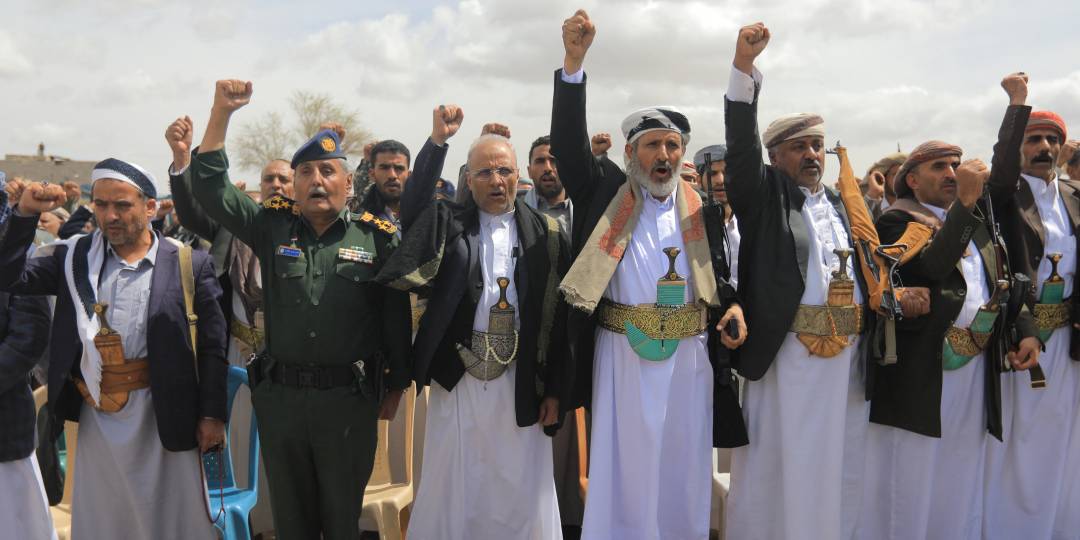
Yemen’s Iran-backed Houthi rebels entered the month-old Middle East war Saturday, claiming two significant missile attacks on Israel and raising serious concerns about conflict expansion to the Red Sea region.
A Houthi spokesman claimed the group fired “a barrage of cruise missiles and drones targeting several vital and military sites” in Israel. The Red Sea involvement adds critical concern given the waterway’s role in global maritime commerce.
Historical Context of Houthi Attacks
During Israel’s recent Gaza conflict, Houthis claiming solidarity with Palestinians attacked shipping in the Red Sea and Gulf of Aden, forcing companies to undertake costly shipping detours. Their entrance into the current conflict resurrects threats to one of the world’s most critical maritime corridors.
Strategic Importance of Red Sea Rerouting
Since the Strait of Hormuz became effectively impassable due to Iranian blockade, Saudi Arabia has rerouted substantial oil export volumes through the Red Sea to avoid the chokepoint. Houthi involvement introduces new risks to these alternative shipping routes, potentially creating multiple simultaneous chokepoints for global energy and commerce.
Continued Israeli Strikes on Iranian Infrastructure
Israel’s military intensified strikes on Iranian military-industrial facilities Saturday, claiming to have targeted the headquarters of Iran’s Marine Industries Organisation in Tehran. Israeli military spokesman Lieutenant Colonel Nadav Shoshani claimed the facility developed “a wide range of naval weaponry.”
Residents in Tehran reported intense strikes Saturday evening lasting several minutes, with an AFP correspondent hearing multiple explosions lighting up the capital’s night sky.
Israeli Escalation Strategy
An Israeli military spokesman told AFP that attacks on Iranian military industry had “intensified” and predicted that “within a few days, we will complete attacks on all critical components.”
This statement suggests Israeli strategy to systematically dismantle Iranian military-industrial capacity, potentially setting conditions for decisive campaign outcomes.
Iranian Threat to US University Campuses
Iran’s Revolutionary Guards threatened Sunday to strike US university campuses across the Middle East unless Washington officially condemned US-Israeli attacks on two Iranian universities, representing an unprecedented escalation in targeting civilian educational institutions.
Several American institutions operate campuses throughout the Gulf region, including Texas A&M in Qatar and New York University in the UAE. The threat creates significant diplomatic complications as it targets civilian academic facilities.
Civilian Institutional Vulnerability
The threat to American universities represents dangerous expansion of targeting parameters beyond military-industrial complexes to include civilian educational infrastructure. This escalation risks establishing precedents for attacks on foreign educational and cultural institutions throughout the region.
Lebanese Conflict Deepens with Journalist Killings
Israeli military strikes on Lebanese territory killed three journalists Saturday, including prominent Al Manar war correspondent Ali Shoeib, who had covered Israeli operations on Lebanon for decades.
Israeli military claimed Shoeib was “operating within Hezbollah under the guise of a journalist,” though the claim remains disputed by Lebanese authorities and international press organizations.
Lebanese President Joseph Aoun and Prime Minister Nawaf Salam condemned the killings as war crimes, escalating diplomatic tensions over targeting of media personnel.
Impact on Conflict Reporting
The deaths of journalists create significant reporting challenges for international media attempting to maintain coverage from conflict zones. The Israeli designation of journalists as combatants raises international legal questions regarding press freedom and protection of non-combatants.
Civilian Casualties Mount in Israeli Village Strike
A direct Iranian missile strike on the village of Eshtaol in central Israel Saturday wounded 11 people and created a massive crater, demonstrating the destructive power of Iranian ballistic weapons.
The village had previously experienced nine deaths during early war days from Iranian missile strikes. Saturday’s attack inflicted severe building damage, destroyed multiple vehicles, and left substantial structural destruction.
Military Home Front Command officers confirmed the strike resulted from direct Iranian missile impact, with significant collateral damage to civilian infrastructure.
Iraq Experiences Spillover Violence
Iraqi territory experienced attacks blamed on both US-Israel and Iranian-aligned forces. A former paramilitary coalition integrated into Iraqi armed forces but containing pro-Iran elements reported three fighters killed in a strike near Kirkuk, while the interior ministry confirmed two police officers died in Mosul in separate incidents.
The United States condemned a drone attack on the residence of Kurdish regional leader Nechirvan Barzani, blaming Iranian militia proxies in Iraq.
Shipping Disruption Extends Beyond Hormuz
The economic fallout from expanded regional hostilities extends to alternative shipping routes. Danish shipping giant Maersk suspended operations at Oman’s Salalah port on the Arabian Sea following Iranian drone attacks on port facilities.
With both the Strait of Hormuz blockaded and alternative Red Sea routes now threatened by Houthi involvement, global shipping faces unprecedented routing challenges.
Pakistan Emerges as Diplomatic Mediator
Pakistan, acting as intermediary between Washington and Tehran, will host foreign ministers from Saudi Arabia, Turkey and Egypt in Islamabad Monday for crisis talks.
Iran’s President Masoud Pezeshkian thanked Islamabad “for its mediation efforts to stop the aggression,” while Germany’s Foreign Minister Johann Wadephul stated Friday he expected a direct US-Iran meeting in Pakistan “very soon.”
Trump’s special envoy Steve Witkoff claimed such a meeting could occur during the week, promoting a “15-point plan that Washington says could solve it all.”
Diplomatic Prospects Amid Military Escalation
The contrast between intensive military operations and diplomatic mediation efforts reflects conflicting strategies within the Trump administration. While Pentagon planners prepare contingency operations and military capabilities expand, diplomatic channels pursue negotiation paths.
Pentagon Plans Contingency Ground Operations
The Washington Post reported late Saturday that the Pentagon is preparing plans for weeks of ground operations inside Iran, potentially including raids on Kharg Island and sites near the Strait of Hormuz, though President Trump has yet to approve any deployment.
The USS Tripoli amphibious assault ship carrying approximately 3,500 Marines and sailors arrived in the Middle East Friday amid speculation regarding potential ground operations.
Military-Diplomatic Contradiction
The preparation of ground operation plans while diplomatic channels remain ostensibly open creates strategic ambiguity. Military planning suggests contingency preparation, but Trump’s apparent reluctance to approve deployment indicates preference for negotiated solutions.
Airport Infrastructure Damaged in Multiple Locations
Iranian strikes damaged airport facilities in Kuwait and Erbil in Iraqi Kurdistan, disrupting air operations and civilian travel. The targeting of aviation infrastructure indicates Iranian strategy to degrade regional economic and military mobility.
Zelenskyy Offers Ukrainian Expertise to Gulf States
Ukraine’s President Volodymyr Zelenskyy traveled to the Middle East region, leaving Ukraine briefly to sign anti-drone cooperation agreements with Saudi Arabia, Qatar, and the UAE.
Zelenskyy offered Ukraine’s military expertise in defending against Iranian drone attacks, leveraging hard-won experience from four years of drone warfare with Russia. The expanded international engagement of Ukrainian defense capabilities signals broader conflict implications beyond the Middle East.
Conclusion:
The Middle East conflict has entered a dangerous new phase with the entrance of Houthi forces and systematic Iranian strikes on critical infrastructure spanning multiple countries. The Revolutionary Guards’ targeting of aluminum production, combined with threats to US university campuses, signals escalating ambitions to disrupt economic capacity and civilian institutions. Simultaneous Israeli intensification of strikes on Iranian military-industrial targets creates mutual escalation dynamics where each side claims to be completing terminal phases of their campaigns. The involvement of formerly peripheral actors like the Houthis and expanded geographic scope from the Gulf to the Red Sea to Lebanon demonstrates conflict expansion rather than containment. With diplomatic channels ostensibly open in Pakistan while Pentagon planners prepare ground operation contingencies, the conflict remains at an inflection point between negotiated resolution and military expansion. The coming days will reveal whether diplomatic efforts can arrest escalation or whether the conflict’s momentum carries it toward the wider regional war both sides claim to be avoiding.