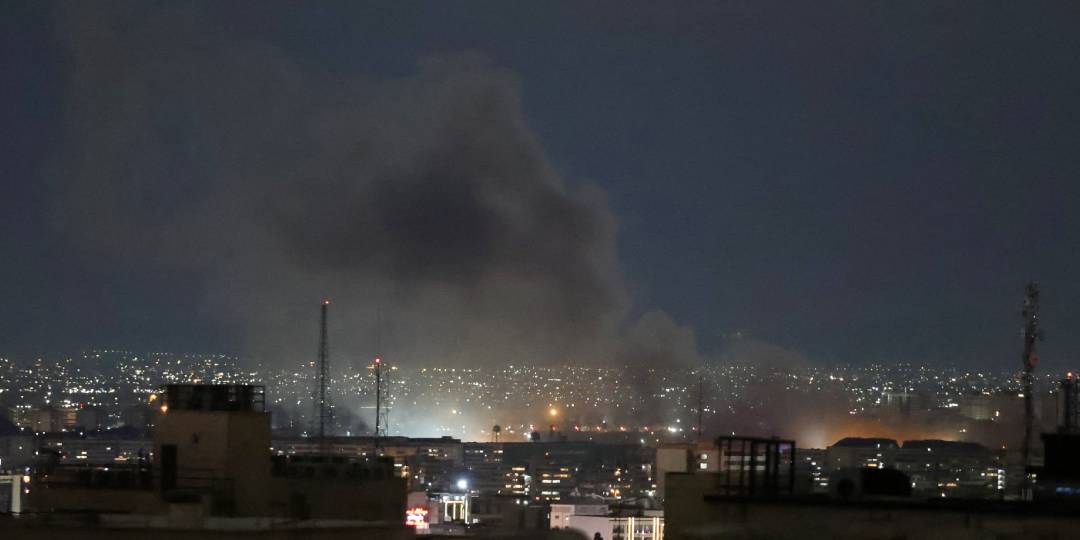

Two powerful explosions shook northern Tehran early Sunday morning around 7:20 a.m. local time, according to an AFP journalist present in the Iranian capital. The blasts occurred as Iranian air defense systems operated actively, though specific targets remained unclear in the immediate aftermath. The explosions represent the latest escalation in intensive Israeli military operations targeting Iranian military-industrial infrastructure since the conflict erupted on February 28. Israeli military officials confirmed Sunday that strikes targeted Iran’s Marine Industries Organization headquarters in Tehran, responsible for research, development, and production of a comprehensive range of naval weaponry. The escalation signals Israel’s determination to systematically dismantle Iran’s military-industrial capacity during what appears to be an accelerating campaign phase.
The strikes come amid reports that Israel intends to complete its planned campaign within days, inflicting maximum damage on Iran’s critical military production capabilities.
Sunday Morning Explosions Shake Iranian Capital
Two powerful explosions rattled northern Tehran early Sunday morning around 7:20 a.m. local time (3:50 a.m. GMT), according to eyewitness accounts from an AFP journalist positioned in the Iranian capital.
The precise nature of the targets remained unclear in the immediate aftermath, though air defense systems were actively operating during the explosions. The timing and intensity of the blasts suggest significant military strikes rather than defensive interceptions.
Pattern of Nighttime Bombardment
Sunday’s explosions followed a series of loud detonations heard in central Tehran on Saturday evening that lasted several minutes. The pattern of sequential bombing campaigns appears designed to overwhelm Iranian air defenses and maximize damage accumulation.
Residents reported that Saturday night’s strikes were “so intense it felt like all of Tehran was shaking,” according to an artist quoted by AFP.
Israeli Confirmation of Naval Weapons Complex Strike
The Israeli military confirmed Saturday that it had struck the headquarters of Iran’s Marine Industries Organization, a major military-industrial facility in Tehran responsible for comprehensive naval weapons development and production.
“The IDF struck the headquarters of the Iranian terrorist regime’s Marine Industries Organization,” the military statement declared, characterizing the attack as part of “a wave of attacks conducted overnight from Friday to Saturday.”
Scope of Targeted Naval Weapons Programs
Israeli military officials detailed the facilities’ extensive capabilities, stating: “This headquarters is responsible for the research, development, and production of a wide range of naval weaponry, including surface and sub-surface vessels, manned and unmanned equipment, as well as engines and weapons.”
The targeting of naval production capabilities reflects Israeli strategy to degrade Iran’s maritime military capacity, particularly significant given Iranian naval threats to Gulf shipping and regional stability.
Israeli Military Escalation Timeline and Intent
Israeli military spokesman Brigadier General Effie Defrin stated Saturday that strikes on Iranian military industries had “intensified,” revealing an accelerating campaign schedule.
“I can now say that within a few days, we will complete attacks on all critical components of this industry,” Defrin announced in a televised briefing, providing explicit confirmation of Israel’s campaign timeline.
Destruction Objectives Clearly Articulated
Defrin elaborated on Israeli destruction objectives: “This means we will destroy most of its military production capabilities, and it will take the regime a long time to rebuild them.”
The statement leaves no ambiguity regarding Israeli intentions: comprehensive destruction of Iranian military-industrial capacity designed to render Iran incapable of significant rearmament for extended periods.
Systematic Campaign Against Nuclear and Military Infrastructure
The strikes on the Marine Industries Organization represent only one component of a broader Israeli campaign targeting Iran’s military-industrial complex.
Since the conflict began on February 28 with joint U.S.-Israeli airstrikes that killed Iranian Supreme Leader Ayatollah Ali Khamenei, Israeli operations have expanded to target Iran’s nuclear program infrastructure, including uranium processing facilities and heavy water reactors.
Nuclear Facility Targeting
The targeting of nuclear infrastructure alongside conventional military-industrial facilities indicates Israeli strategy to simultaneously degrade both Iran’s nuclear weapons potential and conventional military capacity. The combination of nuclear and conventional targeting suggests maximization of Iran’s security setbacks.
Scale and Coordination of Air Operations
The intensity and frequency of explosions reported in Tehran suggest coordinated multi-vector attacks employing substantial numbers of munitions. The requirement for continuous Iranian air defense operations indicates sustained Israeli commitment to overwhelming Iranian defensive capacity.
Air Defense System Strain
The pattern of consecutive bombing campaigns and explosions suggests Iranian air defense systems are under significant strain. The frequency of Israeli strikes may be designed to exhaust air defense ammunition reserves and degrade defensive system effectiveness over time.
Escalation Dynamics and Strategic Intent
Israeli military messaging has become increasingly explicit regarding campaign objectives and timelines. The public announcement that attacks will conclude “within a few days” suggests Israel believes it can achieve decisive military objectives within a defined, near-term timeframe.
Psychological Warfare Component
The public disclosure of campaign completion timelines may serve psychological warfare purposes, signaling to Iran and regional actors that Israel intends rapid, decisive victory while potentially encouraging international diplomatic pressure on Iran to accept negotiated settlement.
Impact on Civilian Infrastructure and Population
The intensity of bombardment reported by residents and journalists raises humanitarian concerns. The destruction of residential neighborhoods alongside military targets indicates either targeting errors or acceptance of civilian collateral damage.
An artist in Tehran told AFP: “I miss a peaceful night’s sleep. The previous night’s strikes were so intense it felt like all of Tehran was shaking.”
Civilian Psychological Impact
Continuous bombardment campaigns generate psychological trauma on civilian populations, even absent direct targeting of residential areas. Sleep deprivation, constant alert status, and fear of strikes create sustained civilian suffering extending beyond immediate physical destruction.
Regional Military Balance Implications
The systematic destruction of Iranian military-industrial capacity will have profound implications for regional military balance. Iran’s ability to project power through missile and naval capabilities may be substantially degraded, altering fundamental assumptions about regional deterrence dynamics.
Gulf Security Recalibration
With Iranian maritime capabilities potentially severely compromised, Gulf maritime security dynamics may shift. The reduction of Iranian naval threats could alter shipping patterns, insurance costs, and regional economic calculations.
Diplomatic Context Amid Military Escalation
The intensifying military campaign occurs simultaneously with reported diplomatic efforts through Pakistani mediation. Pakistan is hosting talks with Saudi Arabia, Turkey, and Egypt regarding crisis resolution, while Trump administration officials promote a “15-point plan” for conflict settlement.
Military-Diplomatic Contradiction
The contradiction between explicit military messaging of imminent campaign completion and concurrent diplomatic initiatives creates strategic ambiguity. Whether military momentum will be halted for diplomatic settlement or continued to achieve complete military objectives remains unclear.
International Humanitarian Law Concerns
The intensity and scope of strikes on military-industrial facilities raise questions regarding compliance with international humanitarian law prohibitions on excessive collateral damage and civilian harm.
Potential War Crimes Allegations
Extensive destruction of military production facilities in urban areas, combined with acknowledged civilian impact, may generate international humanitarian law violations allegations and potential International Criminal Court referrals.
Reconstruction Timelines and Long-Term Implications
Israeli acknowledgment that Iranian rearmament will require “a long time” suggests awareness that military damage infliction creates multi-year reconstruction requirements. The strategic calculation appears focused on creating extended periods of Iranian military incapacity.
Continuing Conflict Momentum
Despite reported diplomatic efforts, military operations appear to maintain momentum toward completion of Israel’s stated objectives. The continued intensity of strikes suggests diplomatic channels have not yet succeeded in halting military campaigns.
Conclusion:
The explosions in northern Tehran and the confirmed strikes on Iran’s Marine Industries Organization represent critical escalation in the month-old Middle East conflict. Israeli military officials have made explicit that campaign completion will occur within days, with objectives of destroying Iran’s military production capabilities and forcing extended reconstruction timelines. The targeting of both nuclear and conventional military-industrial infrastructure indicates comprehensive Israeli strategy to degrade all dimensions of Iranian military capacity. The psychological impact on Tehran’s civilian population from continuous bombardment campaigns compounds direct military destruction. As military operations accelerate toward Israel’s stated completion timeline, diplomatic initiatives through Pakistan proceed with uncertain prospects of halting the conflict. The coming days will reveal whether intensive military momentum can be arrested through negotiated settlement or whether Israel will complete its declared campaign objectives, leaving Iran to confront massive reconstruction requirements and diminished regional military capacity.