
Iran’s civil aviation authority announced Saturday that the nation has reopened portions of its airspace beginning at 7 AM local time, marking significant step toward normalized operations following regional conflict. Simultaneously, the first commercial vessels began transiting the Strait of Hormuz after Iran’s announcement of reopening the critical waterway, signaling cautious restoration of international maritime commerce. The airspace and strait reopenings represent tangible de-escalation measures corresponding with Lebanon-Israel ceasefire implementation and ongoing US-Iran negotiations aimed at comprehensive conflict resolution.
The civil aviation announcement specified that eastern portions of Iranian airspace remain open for international flight transits, with full airspace restoration proceeding on phased basis dependent on technical readiness of airport infrastructure. Airports will resume operations gradually as technical systems become operational, indicating recognition that conflict damage requires staged restoration rather than immediate full operations.
Iranian Airspace Reopening Details
Partial Reopening Saturday Morning
Iran’s civil aviation organization announced reopening of airspace portions beginning 7 AM Saturday, representing initial step toward normalized aviation operations. The announcement specified that eastern sections of Iranian airspace have been cleared for international aircraft transits, providing passage routes for flights to and from Asian destinations.
The reopening affects multiple airports simultaneously, though operations will expand gradually as technical systems and safety infrastructure achieve full operational status. This phased approach suggests recognition that conflict-induced damage to airport facilities and air traffic control systems requires systematic restoration rather than immediate resumption of full capacity.
Gradual Airport Operations Resumption
The civil aviation organization stated that airport operations will resume on gradual basis dependent on technical readiness. This approach acknowledges practical reality that airports require functioning air traffic control systems, navigational aids, refueling facilities, and other infrastructure before safe operations can resume.
The gradual resumption also allows airlines time to restore scheduling, crew positioning, and maintenance operations without attempting immediate return to pre-conflict levels of traffic.
Strait of Hormuz Reopening and Maritime Traffic
First Commercial Transits
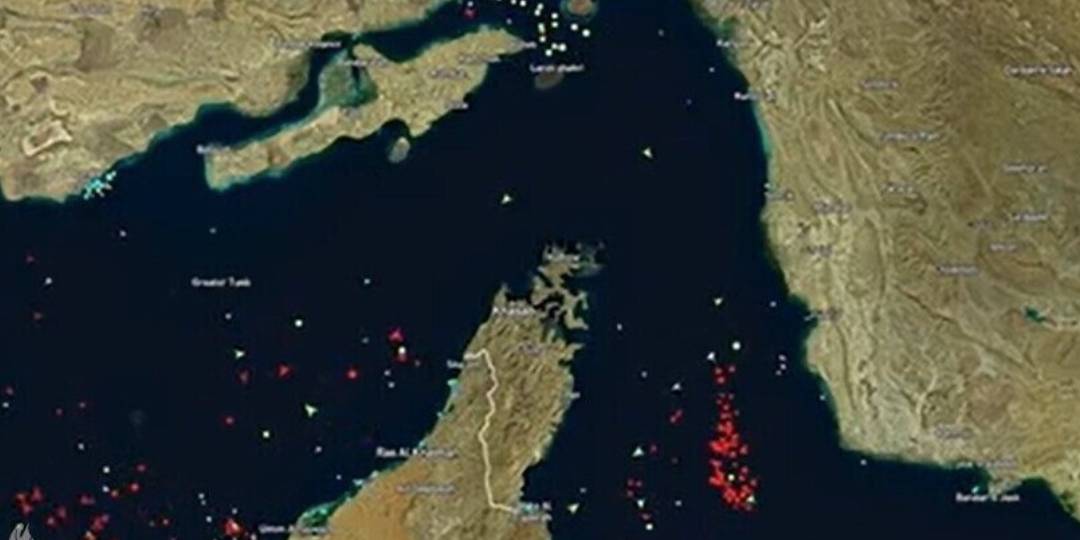
Reuters reported Saturday that at least six vessels have successfully transited the Strait of Hormuz following Iran’s reopening announcement, representing first commercial shipping since formal declaration of strait reopening. The vessels included oil tankers and cargo ships, indicating diverse maritime commerce interest in renewed passage.
Multiple liquefied natural gas carriers also began transiting the strait, expanding scope of resuming commerce beyond crude oil to include gas products and general cargo.
Maritime Tracking Data
MarineTraffic, the commercial vessel tracking service, documented the transits, providing independent confirmation of initial strait reopening. The documentation offers objective evidence that Iran’s reopening declaration has resulted in measurable resumption of maritime commerce through critical waterway.
Iran’s Continued Restrictions and Conditions
Vessel Quantity Limitations
Wall Street Journal reported that Iran intends to continue limiting number of vessels permitted to transit the strait during ceasefire period. The restrictions indicate that Iran’s reopening remains conditional and controlled rather than unrestricted resumption of maritime commerce.
Toll Collection on Transits
Iran plans to impose transit fees on vessels utilizing the strait, representing continued attempt to monetize control of critical waterway. The toll system, while less ambitious than earlier Iranian proposals for substantial shipping charges, maintains Iranian revenue extraction from restored maritime commerce.
Revolutionary Guard Coordination Requirements
Vessels transiting the strait must coordinate with Iran’s Revolutionary Guard Corps in advance, granting Iranian military capacity to approve or deny individual transits. The requirement allows Iran to maintain control mechanisms permitting selective permit denial for vessels from nations Iran considers adversaries.
Iraqi Leadership Participation in Hormuz Security Talks
Paris International Meeting
Iraqi Prime Minister Muhammad Shia al-Sudani participated Friday in international videoconference regarding Strait of Hormuz navigation security, hosted in Paris by French President Emmanuel Macron and British Prime Minister Keir Starmer. The meeting reflected international concern regarding sustained maritime security in critical waterway.
Iraqi Position and Commitments
Sudani affirmed Iraq’s support for all regional and international efforts to secure strait navigation, emphasizing importance of establishing stable environment promoting development opportunities. His participation underscores Iraq’s economic dependence on reliable maritime commerce through Hormuz and Iraq’s interest in international security framework protecting shipping.
Sudani called for all parties to commit to international law and support ceasefire sustainability while developing ceasefire toward long-term agreement through dialogue. He specifically highlighted Iraqi support for Pakistan-led efforts achieving comprehensive settlement contributing to global stability.
Maritime Security Coordination
The Paris meeting discussed latest developments regarding the strait amid ongoing international efforts ensuring navigation security in one of world’s most critical maritime passages. The coordination reflects recognition among major powers that Hormuz security requires multilateral approach transcending bilateral conflicts.
De-escalation Trajectory and Underlying Tensions
Strategic Ambiguity in Reopening
Iran’s airspace and strait reopenings signal de-escalation intentions while maintaining control mechanisms allowing rapid reversal if negotiations deteriorate. The phased reopening approach provides Iran flexibility to demonstrate cooperation while preserving capacity to reimpose restrictions if diplomatic progress stalls.
Verification Challenges
International observers face difficulty in determining whether Iranian reopening represents genuine de-escalation or tactical maneuver designed to appear cooperative while maintaining underlying restrictions. Wall Street Journal reporting of continued limitations on vessel transits and toll collection suggests reopening carries significant caveats.
Ceasefire Implementation Status
The airspace and strait reopenings correspond with implementation of Lebanon-Israel ceasefire announced Thursday, suggesting coordinated de-escalation approach affecting multiple conflict dimensions. The correspondence indicates that various parties view simultaneous implementation of multiple confidence-building measures as reinforcing overall de-escalation trajectory.
Economic Implications of Reopened Commerce
Oil and Gas Market Impact
Reopening of Hormuz Strait for commercial transits creates immediate impact on petroleum markets constrained by months of restricted traffic. Resumption of oil tanker and liquefied natural gas carrier operations provides relief to energy-dependent nations and moderates petroleum price volatility.
Supply Chain Restoration
Reopened maritime commerce through Hormuz allows restoration of supply chains disrupted by months of blockade, providing immediate benefits to trading nations dependent on Asia-Europe commerce through strait. The reopening particularly benefits nations with direct trade relationships through Hormuz and those dependent on Asian energy supplies.
Global Economic De-escalation Signaling
The commercial transits visible through MarineTraffic represent tangible economic de-escalation signals to global markets and investors. Visible resumption of normal shipping patterns provides confidence that regional conflicts may not persist indefinitely and that international commerce can potentially normalize.
Diplomatic Coordination and International Frameworks
Multilateral Response Coordination
The Paris meeting with participation from France, Britain, Iraq, and implicit involvement of other maritime powers demonstrates multilateral approach to Hormuz security. The coordination reflects recognition that strait security requires more than bilateral negotiation between United States and Iran.
Pakistan’s Mediation Role Recognition
Sudani’s explicit recognition of Pakistani efforts achieving comprehensive settlement reflects international consensus that Islamabad’s mediation role carries significance for broader de-escalation trajectory. Pakistan’s positioning as trusted mediator between multiple parties provides advantage in facilitating negotiations and implementing agreed arrangements.
Future Uncertainty and Contingency Planning
Ceasefire Deadline Pressures
Trump’s Wednesday deadline for US-Iran agreement creates underlying uncertainty regarding whether de-escalation trajectory will sustain or reverse. The deadline pressure exists parallel to apparent Iranian de-escalation steps, creating ambiguous situation where both de-escalation and escalation remain possible outcomes.
Contingency Reversals
Iran’s maintenance of control mechanisms over strait transits and toll collection authority suggests that reopening could be rapidly reversed if diplomatic negotiations collapse. The ability to reimpose restrictions allows Iran to employ closures as negotiating leverage if discussions deteriorate.
International Contingency Responses
International maritime powers appear to be developing contingency responses for potential Hormuz closure reversal, including alternative shipping routes and energy supply diversification. The contingency planning reflects uncertainty regarding permanence of current reopening.
Conclusion:
Iran’s Saturday reopening of airspace and Strait of Hormuz represents significant de-escalation step corresponding with Lebanon-Israel ceasefire implementation and ongoing US-Iran negotiations. Commercial vessel transits documented through MarineTraffic provide objective confirmation that physical maritime commerce has resumed through critical waterway. Iraqi Prime Minister’s participation in Paris maritime security coordination demonstrates regional and international commitment to sustaining Hormuz navigation security. However, Wall Street Journal reporting of Iranian intentions to maintain vessel transit limitations and toll collection indicates that reopening carries substantial caveats and conditions. The reopening trajectory remains vulnerable to reversal if US-Iran negotiations fail to produce agreement by Trump’s stated Wednesday deadline. International engagement through multilateral coordination frameworks demonstrates recognition that Hormuz security transcends bilateral US-Iran dynamics and requires broader international framework ensuring sustained maritime commerce through critical waterway. The visible resumption of commercial shipping provides immediate economic benefit while underlying political uncertainties persist regarding durability and sustainability of de-escalation measures.