
Saturday, April 18, 2026
31 °c
Baghdad
26 ° Sun
23 ° Mon
24 ° Tue
25 ° Wed
  • en English
  • ar العربية
  • Login
Iraq News
  • Home
  • News
    • Breaking News
    • Local
    • Regional
    • International
  • Sports
  • Arts & Entertainment
  • Technology
  • Business & Economy
    • Business & Economy
    • Business Ideas (Iraq)
  • Health
  • Miscellaneous
No Result
View All Result
  • Home
  • News
    • Breaking News
    • Local
    • Regional
    • International
  • Sports
  • Arts & Entertainment
  • Technology
  • Business & Economy
    • Business & Economy
    • Business Ideas (Iraq)
  • Health
  • Miscellaneous
No Result
View All Result
Iraq News
en English ar العربية
No Result
View All Result
Home Special Coverage: Iran
Antalya quadrilateral meeting Iran negotiations - اجتماع أنطاليا الرباعي مفاوضات إيران

Antalya hosts quadrilateral foreign ministers meeting on Iran negotiations and regional de-escalation with Egypt, Turkey, Pakistan, Saudi Arabia participating in diplomatic coordination.

Antalya Hosts Quadrilateral Foreign Ministers Meeting on US-Iran Negotiations and Regional De-escalation

NEWS.IQ by NEWS.IQ
April 18, 2026
in Special Coverage: Iran
0
0
SHARES
0
VIEWS
Share on FacebookShare on Twitter

Turkey’s Antalya hosted a quadrilateral foreign ministers meeting Saturday addressing accelerating regional challenges and the ongoing US-Iran negotiations. The gathering brought together foreign ministers from Egypt, Turkey, Pakistan, and Saudi Arabia to discuss de-escalation efforts and coordinate approaches to stabilizing the Middle East amid economic and political pressures. The meeting represents the third session of the four-nation coordination mechanism, with previous sessions held in Riyadh and Islamabad, demonstrating commitment to sustained diplomatic engagement addressing regional conflicts and their international ramifications.

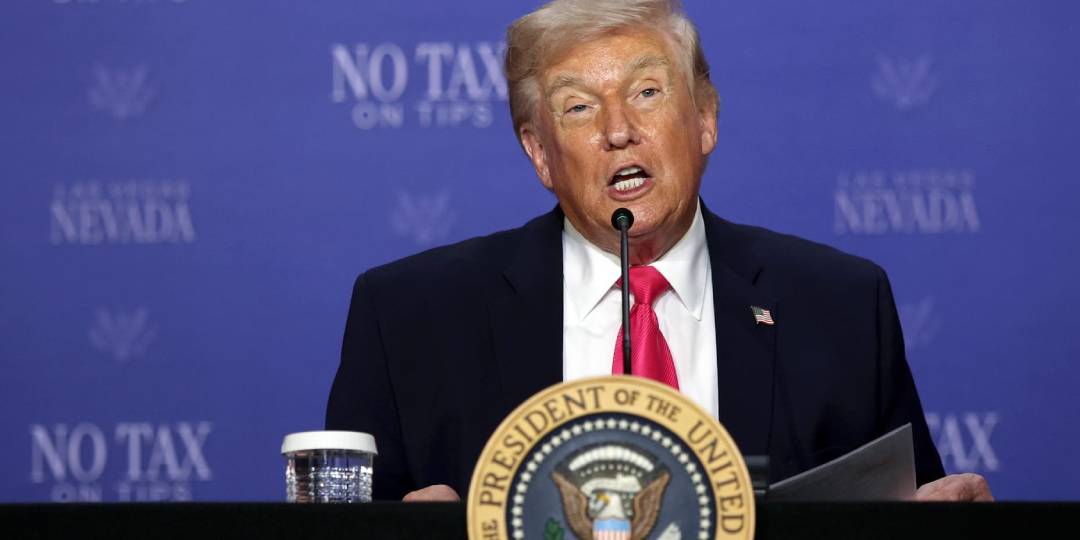
The Antalya meeting occurs amid critical juncture in US-Iran negotiations, with President Trump simultaneously announcing significant progress toward final agreement while threatening to end ceasefire if deal is not concluded by Wednesday. The quadrilateral mechanism serves as vehicle for regional powers to coordinate responses to conflict and maintain diplomatic pressure on all parties toward negotiated settlement.

Quadrilateral Coordination Mechanism Progress

Third Session of Four-Nation Format

Egyptian Foreign Ministry spokesman Ambassador Tamim Khalaf confirmed that Saturday’s Antalya meeting represented the third session of the quadrilateral mechanism. Previous meetings occurred in Riyadh (first session) and Islamabad (second session), demonstrating establishment of regular consultation framework among four strategically important regional and international powers.

The progression from Riyadh to Islamabad to Antalya shows expanding role of quadrilateral in addressing Middle East affairs, with each location reflecting particular nation’s regional position and diplomatic capacity.

Representation and Participation

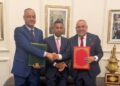
The meeting included Egyptian Foreign Minister Badr Abdelaty, Turkish Foreign Minister Hakan Fidan, Pakistan’s Deputy Prime Minister and Foreign Minister Muhammad Ishaq Dar, and Saudi Foreign Minister Prince Faisal bin Farhan. The composition reflects balance between Arab states (Egypt, Saudi Arabia), regional powers (Turkey, Pakistan), and positioning as mediators and stakeholders in Middle East stability.

Meeting Objectives and Regional Context

Coordination on Accelerating Developments

Meeting focused on advancing mutual coordination regarding accelerating political and economic challenges confronting the region. The four nations recognized that Middle East conflict generates impacts extending far beyond immediate combat zones, affecting global trade, energy markets, and financial stability.

US-Iran Negotiation Tracking

The foreign ministers discussed tracking mechanisms for ongoing US-Iran negotiations, representing shared interest among four nations in understanding developments and potential trajectories of bilateral talks. Each nation maintains distinct interests in negotiation outcomes, requiring coordination to present unified regional position where possible.

Economic and Maritime Security Concerns

International Shipping and Supply Chains

Ministers exchanged assessments regarding severe economic consequences of conflict on global economy. Particular focus addressed impact on international maritime traffic, with evident concerns regarding Strait of Hormuz restrictions and their broader effects on shipping routes and commerce.

Energy Security and Oil Prices

Discussion centered on energy security implications, with ministers addressing impact of conflict-driven disruptions on petroleum markets and global oil prices. The four nations recognized that prolonged conflict threatens global energy stability and creates spillover effects affecting developing nations dependent on energy imports.

Food Security and Supply Disruptions

The ministers discussed supply chain disruptions affecting food security, reflecting shared concern that conflict-driven logistics challenges extend to agricultural production and food distribution. Multiple developing nations represented in quadrilateral mechanism face particular vulnerability to food security threats from regional conflict.

Agreed Positions and Forward Direction

Commitment to Continued Coordination

Ministers agreed to continue close coordination and consultation during coming period. The commitment reflects recognition that regional de-escalation requires sustained engagement and flexibility to respond to rapidly changing circumstances.

Unified Support for Negotiations

The four nations reaffirmed commitment to continuing efforts supporting success of US-Iran negotiations process. This unified position provides diplomatic reinforcement for negotiating parties and demonstrates international support for diplomatic rather than military solutions.

Regional Stability and Future System

Meeting addressed future regional system after conclusion of current war, signaling recognition that post-conflict Middle East will require new arrangements, security guarantees, and economic cooperation frameworks. The four-nation mechanism may serve as foundation for broader regional cooperation architecture.

Trump Administration Developments and Pressure

Ceasefire Extension Uncertainty

Simultaneously with the Antalya meeting, President Trump announced that ceasefire with Iran may not be extended if agreement is not reached by Wednesday. The threat creates timeline pressure on negotiators and signals American determination to achieve resolution or escalate militarily.

Port Blockade Continuation

Trump confirmed that US naval blockade of Iranian ports will continue regardless of negotiation outcomes, maintaining economic pressure on Iran. The blockade affects approximately 90 percent of Iran’s economy dependent on international maritime trade, creating substantial leverage in negotiations.

Nuclear Material Demands

Trump stated that United States will recover enriched uranium from Iran through either agreement or unspecified “unfriendly” methods, refusing to establish timeline for uranium retrieval. The demands reflect fundamental American concern regarding Iran’s nuclear capabilities and commitment to ensuring nuclear limitations as core agreement component.

Hormuz Strait Status and Shipping

Navigation Freedom Assurances

Trump confirmed that no tolls will be imposed on vessels transiting Strait of Hormuz, directly addressing Iranian suggestions of shipping charges. This commitment represents core Western position that freedom of navigation cannot be compromised by tolls or restrictions.

Strait Reopening Progress

Trump reported that Hormuz Strait has reopened for vessel traffic, partially reversing earlier closure. However, minimal traffic through strait suggests reopening remains limited and conditional, with merchants uncertain about sustained access and safety.

Lebanon-Israel Ceasefire Development

Separate Agreement Process

Trump announced what he characterized as “historic” ceasefire agreement between Lebanon and Israel, describing it as first such arrangement in 78 years. Trump explicitly stated that Lebanese-Israeli ceasefire represents separate diplomatic track independent from US-Iran negotiations.

Reconstruction Support Commitment

Trump indicated American willingness to assist Lebanon with reconstruction following conflict, noting availability of international partners for support. The commitment suggests post-conflict economic cooperation could complement military de-escalation.

Diplomatic Timeline and Pressure Points

Wednesday Deadline

Trump’s announcement of Wednesday deadline for Iran agreement creates artificial but potentially consequential timing pressure. The deadline, if maintained, forces negotiators to complete outstanding issues within compressed timeframe or face resumed military operations.

Credibility of Threats

Trump’s past threats and follow-through on military action in this conflict suggests that Wednesday deadline carries genuine credibility. However, past negotiation extension patterns suggest deadline may prove flexible if substantive progress continues.

Negotiation Momentum

Trump simultaneously claims most agreement provisions have been settled, suggesting substantive progress despite remaining disputes over nuclear matters, sanctions relief, and verification procedures. The claim of advancing negotiations contradicts threat of imminent collapse, creating ambiguous situation.

Regional Power Dynamics

Saudi Arabia’s Position

Saudi participation in quadrilateral reflects Riyadh’s interest in regional stability and desire to participate in shaping post-conflict arrangements. Saudi concerns focus on Iranian regional influence and ensuring Middle East configuration favorable to Arab states.

Pakistan’s Mediation Role

Pakistan’s inclusion as quadrilateral member reflects Islamabad’s established role as host of direct US-Iran negotiations and as regional mediator. Pakistan benefits from stabilization role and positioning as neutral facilitator trusted by multiple parties.

Turkey’s Regional Interests

Turkey’s hosting of Antalya meeting and participation reflects Ankara’s interest in regional stability affecting its borders and economic interests. Turkish approach balances relationships with Western allies and regional powers including Iran.

Egypt’s Arab Leadership

Egypt’s participation reflects Cairo’s leadership role in Arab world and strategic interest in regional stability affecting Suez Canal and broader Middle Eastern development.

Conclusion:

Antalya’s quadrilateral foreign ministers meeting represents sustained diplomatic effort by four strategically important nations to coordinate responses to Middle East conflict and support US-Iran negotiations. The meeting addressed immediate concerns regarding economic consequences, maritime security, energy markets, and food security while affirming commitment to continued coordination for regional de-escalation. Simultaneously, Trump administration announcements regarding ceasefire extension deadlines and continued port blockades create pressure environment for negotiations. The quadrilateral mechanism demonstrates that multiple nations maintain substantial interest in supporting diplomatic solutions despite military pressures. Success of US-Iran negotiations and post-conflict regional stability will depend on sustained international support from mechanism like quadrilateral coordination and willingness of all parties to accept compromises on fundamental interests. The meeting affirmed that regional de-escalation serves interests of four participating nations and broader international community dependent on Middle East stability for energy security, maritime commerce, and financial stability.

ShareTweet
Previous Post

Iraq Faces Four Days of Unstable Weather with Scattered Thunderstorms and Significant Temperature Fluctuations

Next Post

Iran Reopens Airspace and Strait of Hormuz as Regional De-escalation Accelerates

NEWS.IQ

NEWS.IQ

Iraqi News is an independent news platform that provides carefully edited news content sourced from a range of trusted media outlets. The platform gathers reports from established news agencies and media sources, and presents them in a clear and neutral manner, with a strong focus on accuracy, clarity, and credibility. Iraqi News is designed to offer a reliable and straightforward reading experience, allowing readers to follow current events through content brought together in one place.

Next Post
Iran reopens airspace Hormuz Strait - إيران تعيد فتح المجال الجوي ممر هرمز

Iran Reopens Airspace and Strait of Hormuz as Regional De-escalation Accelerates

ADVERTISEMENT

Latest News

Iran denies enriched uranium transfer- نفت وزارة الخارجية الإيرانية يوم الجمعة بشكل قاطع أن الدولة وافقت على نقل احتياطياتها من اليورانيوم المخصب إلى الولايات المتحدة، معارضة مباشرة لتأكيدات الرئيس ترامب بشأن التعاون في إزالة المواد النووية. أعلن المتحدث باسم وزارة الخارجية الإيرانية إسماعيل بقائي أن اليورانيوم المخصب يمثل "قيمة سيادية حساسة" لإيران ولن يتم نقله للخارج تحت أي ظرف. يعالج الرفض الإيراني ادعاءات ترامب الأخيرة بأن واشنطن ستتعاون مع طهران على نقل تدريجي لاحتياطيات اليورانيوم باستخدام معدات ثقيلة، مقترحات رفضتها السلطات الإيرانية كغير متوافقة مع السيادة الوطنية. أكد بقائي أن إيران تعتبر ملفها النووي جزء لا يتجزأ من السيادة الوطنية، مما يجعل أي مقترحات بخصوص النقل الخارجي للمواد المخصبة مرفوضة بشكل قاطع. يكشف الموقف الإيراني عن خلاف جوهري حول القضايا النووية بين الأطراف المفاوضة، مما يشير إلى أن توزيع اليورانيوم يمثل نقطة خلاف أساسية في مفاوضات إيران-أمريكا رغم ادعاءات إدارة ترامب بالتقدم الموضوعي نحو اتفاق شامل. H2: مطالب إيران بالسيادة على المواد النووية H3: اليورانيوم المخصب كأصل سيادي أعلن المتحدث باسم وزارة الخارجية الإيرانية أن اليورانيوم المخصب يشكل "قيمة سيادية حساسة" لإيران، مؤسساً مبدأ أساسياً بأن المواد النووية تبقى تحت السيطرة والسيادة الإيرانية. تعامل التوصيف اليورانيوم ليس بشكل أساسي كسلعة قابلة للتفاوض بل كتعبير عن السيادة الوطنية والاستقلال الاستراتيجي. H3: الملف النووي كمسألة سيادة وطنية أكد بقائي أن إيران تعتبر ملفها النووي لا ينفصل عن السيادة الوطنية، رافضاً توصيف البرنامج النووي كمصدر قلق دولي يخضع للإشراف الخارجي أو السيطرة. يعكس هذا الموقف معتقد إيراني بأن القدرة النووية تمثل حق وطني مشروع ولا يمكن المساومة عليها كجزء من اتفاق دبلوماسي. H3: الرفض القاطع لمقترحات النقل أفاد المتحدث الإيراني بصراحة أن المقترحات المتعلقة بنقل مواد اليورانيوم المخصب للخارج "مرفوضة بشكل قاطع"، باستخدام لغة لا تسمح بالتفاوض أو التسوية حول هذه المسألة المحددة. يشير الرفض القاطع إلى أن نقل اليورانيوم يمثل خط أحمر إيراني في المفاوضات، قضية لن تعدل فيها طهران موقفها بغض النظر عن التنازلات الأخرى المقدمة من الولايات المتحدة. H2: موقف إدارة ترامب بشأن نقل اليورانيوم H3: خطط ترامب لاسترجاع اليورانيوم قال الرئيس ترامب في مقابلة مع وكالة رويترز إن واشنطن ستتعاون مع إيران لنقل احتياطيات اليورانيوم المخصب إلى الولايات المتحدة. وصف ترامب عملية النقل كمسعى تدريجي يستخدم معدات ثقيلة، مشيراً إلى جدول زمني ممتد متوقع لحركة المواد النووية الفعلية. H3: توصيف كترتيب متفاوض عليه وضع ترامب نقل اليورانيوم كمكون من اتفاق أوسع يعالج القدرات النووية الإيرانية. يشير التوصيف إلى أن ترامب يرى إزالة اليورانيوم كهدف قابل للتحقيق إذا يمكن الوصول إلى اتفاق شامل، متناقضاً بشكل حاد مع إصرار إيران على أن نقل اليورانيوم يبقى غير قابل للتفاوض تحت أي ظرف. H3: الخلاف الاستراتيجي حول توزيع اليورانيوم يكشف الخلاف الأساسي بين موقف ترامب والرفض الإيراني عن نزاع جوهري في المفاوضات بشأن ما يشكل نتيجة مقبولة بخصوص مواد اليورانيوم. ترى إدارة ترامب إزالة اليورانيوم كآلية تحقق أساسية لاتفاق نووي، بينما ترى إيران احتفاظ اليورانيوم كتعبير عن حقوق وطنية مشروعة. H2: موقف وزارة الدفاع الإيرانية حول الصراع المستمر H3: الحرب لم تنته بعد أكد المتحدث باسم وزارة الدفاع الإيرانية العميد رضا طلايي يوم السبت أن الحرب لم تنته بعد، معتبراً الترتيبات الحالية كإجراءات مؤقتة مشروطة بدلاً من حل دائم. يتناقض تأكيد طلايي مع الآثار المترتبة على إعلانات الهدنة المختلفة بأن الصراع قد انتهى بشكل موضوعي. H3: شروط على إعادة فتح ممر هرمز حدد طلايي أن فتح ممر هرمز لعبور السفن غير العسكرية يبقى مشروطاً باستمرار الهدنة بين لبنان وإسرائيل. ينشئ الشرط آلية لضغط إيراني على استقرار الهدنة بتهديد إغلاق الممر إذا استأنفت العمليات الإسرائيلية في لبنان. H3: قدرات جيواستراتيجية غير مستخدمة أشار طلايي إلى أن أجزاء من القدرات الجيواستراتيجية الإيرانية الممتدة من باب المندب إلى مناطق أخرى لم تُستخدم بعد، مما يشير إلى احتفاظ إيران بخيارات عسكرية للتصعيد إذا فشلت المفاوضات أو انهارت الهدنة. يشير البيان إلى أن التهدئة الحالية تمثل اختيار تكتيكي بدلاً من استنزاف القدرات الإيرانية. H3: تهديد الرد على الخداع الدبلوماسي حذر طلايي من أنه إذا لجأ الخصوم إلى "الخداع الدبلوماسي"، ستقابل إيران بردود عسكرية، محدداً تحفظ إيراني حول استدامة الهدنة والطبيعة المشروطة للضبط المستمر. يشير التحذير إلى أن قيادة إيران ترى عملية المفاوضات الجارية كهشة وربما عكسية إذا اعتبرت مخادعة. H2: عقوبات خزانة الولايات المتحدة على قادة الميليشيات العراقية H3: توسع حملة الغضب الاقتصادي أعلنت وزارة الخزانة الأمريكية يوم الجمعة فرض عقوبات على سبعة قادة في الميليشيات العراقية الموالية لإيران من خلال حملة "الغضب الاقتصادي" استهدفت المجموعات المسلحة المحاذية لإيران. تمثل العقوبات توسعاً لحملة الضغط الاقتصادي ضد الشبكات الإقليمية الإيرانية والقوات الوكيلة. H3: القادة المستهدفون والأنشطة حددت بيان مكتب مراقبة الأصول الأجنبية (OFAC) أن سبعة قادة ميليشيات استهدفوا بسبب الانخراط في "تخطيط وتوجيه وتنفيذ سلسلة من الهجمات التي استهدفت موظفين ومنشآت ومصالح أمريكية في العراق." يعكس استهداف القيادة المحددة جهد أمريكي لتعطيل هياكل القيادة للمجموعات المسلحة العراقية التي تعمل تحت النفوذ الإيراني. H3: مطالبات تأثير معاداة للمدنيين الأوسع أكدت وزارة الخزانة أن المجموعات المسلحة المستهدفة لا تهاجم الولايات المتحدة فحسب بل تشن هجمات ضد المدنيين الأبرياء في جميع أنحاء العراق، معتبرة أنشطة الميليشيات إرهابية. يحاول الإطار تمييز العقوبات عن التدخل الخارجي بتوصيف العقوبات كإجراء حماية للمدنيين العراقيين بالإضافة إلى المصالح الأمريكية. H3: حجة استنزاف الاقتصادي ميز بيان وزارة الخزانة أنشطة الميليشيات باستنزاف الثروة الوطنية العراقية واستغلال الموارد لتمويل الأنشطة الإرهابية، معتبراً العقوبات إجراء دفاعي لحماية المصالح الاقتصادية العراقية ضد القوى المفترسة الداخلية. يحاول الإطار تمييز العقوبات عن التدخل الخارجي بتوصيف العقوبات كحماية للسيادة العراقية ضد التخريب الموالي لإيران. H2: تنسيق نقاط ضغط متعددة H3: توقيت إعلان العقوبات يتزامن إعلان عقوبات الميليشيات يوم الجمعة مع المفاوضات النووية الجارية والرفض الإيراني لمقترحات نقل اليورانيوم، مما يشير إلى إستراتيجية أمريكية للحفاظ على ضغط متزامن على جبهات متعددة. ينشئ التنسيق بيئة ضغط تراكمي يحاول إجبار التنازلات الإيرانية عبر القضايا النووية والإقليمية وعقوبات. H3: استهداف شبكات الوكلاء الإيرانية تمثل العقوبات التي تستهدف قادة الميليشيات العراقية جهداً للضغط على إيران بشكل غير مباشر بمعاقبة الوسطاء التي تمدد من خلالها طهران نفوذها الإقليمي. تعكس الإستراتيجية النهج الأمريكي لتقيد توسع القوة الإقليمية الإيرانية من خلال تدابير مالية موجهة ضد القوات الوسيطة. H2: الآثار المترتبة على المفاوضات الجارية H3: خلافات أساسية حول القضايا الأساسية يشير الرفض الإيراني القاطع لنقل اليورانيوم المخصب مقترن مع تحذيرات وزارة الدفاع حول القدرات المستمرة إلى وجود خلافات موضوعية قائمة حول قضايا نووية وإقليمية وعسكرية رغم تقدم مزعوم نحو اتفاق شامل. يشير الانقطاع الظاهر بين ادعاءات ترامب بالتقدم والرفض الإيراني للمقترحات الرئيسية إلى فجوات أساسية في الفهم أو استحالة جوهرية بين المواقف التفاوضية. H3: الطبيعة المشروطة للتهدئة الإيرانية تشير البيانات الإيرانية التي تعتبر الهدنة وإعادة فتح الممر مشروطة باستمرار الضبط من قبل الخصوم إلى أن التهدئة الإيرانية تبقى عكسية. تحافظ الشروط على قدرة إيرانية للتصعيد العسكري إذا فشلت المفاوضات أو حدثت انتهاكات متصورة للهدنة. H3: تعقيد العقوبات لبيئة المفاوضات تنشئ عقوبات خزانة على قادة الميليشيات العراقية تعقيد إضافي في بيئة المفاوضات بالحفاظ على ضغط على شبكات إيران الإقليمية بينما تستمر المناقشات النووية. يشير النهج الثنائي إلى إستراتيجية أمريكية لجمع التهديد العسكري والضغط التفاوضي وعقوبات اقتصادية لاستخلاص تنازلات قصوى. H2: الجدول الزمني ونقاط القرار H3: أهمية الموعد النهائي الأربعاء يكتسب الموعد النهائي الأربعاء المعلن من قبل ترامب أهمية في سياق الرفضات الإيرانية القاطعة لنقل اليورانيوم. إذا ظل نقل اليورانيوم موقف إيراني غير قابل للتفاوض وطلب أمريكي أساسي، قد يثبت الموعد النهائي الأربعاء غير واقعي لتحقيق اتفاق شامل. H3: خطر انهيار المفاوضات يشير الخلاف الأساسي على نقل اليورانيوم مقترن مع تحذيرات وزارة الدفاع الإيرانية حول القدرات العسكرية المستمرة إلى خطر مادي بأن المفاوضات قد تنهار إذا أصبح نقل اليورانيوم شرطاً لاستمرار الاتفاق. سيؤدي الخطر إلى استئناف الصراع ما لم يعدل أحد الطرفين موقفه بشكل جوهري. Conclusion: ينكشف الإنكار الإيراني القاطع للموافقة على نقل اليورانيوم المخصب بشكل مباشر ادعاءات إدارة ترامب حول التعاون على إزالة اليورانيوم، كاشفاً خلاف جوهري في قلب مفاوضات إيران-أمريكا. يقف الإصرار الإيراني على وزارة الخارجية على أن المواد النووية تبقى تحت السيطرة السيادية الإيرانية في معارضة لموقف أمريكي بأن إزالة اليورانيوم تشكل آلية تحقق أساسية لاتفاق نووي. تشير البيانات المتزامنة من وزارة الدفاع الإيرانية حول القدرات العسكرية غير المستخدمة والطبيعة المشروطة للهدنة إلى أن التهدئة الإيرانية تبقى مؤقتة وعكسية. تحافظ عقوبات خزانة الولايات المتحدة على قادة الميليشيات العراقية على الضغط على شبكات إيران الإقليمية بينما تستمر المفاوضات النووية، خالقة بيئة من الانخراط الدبلوماسي المتزامن والضغط الاقتصادي والعسكري. تشير هذه التطورات إلى أنه رغم الادعاءات العامة بالتقدم نحو اتفاق شامل، خلافات جوهرية قائمة حول القضايا النووية والإقليمية الأساسية. سيتطلب الحل حركة موضوعية من أحد الطرفين أو كليهما من المواقف الحالية، وقد يثبت الموعد النهائي الأربعاء لترامب غير كافٍ لسد الفجوات المحددة في المواقف التفاوضية.

Iran Categorically Denies Approval for Enriched Uranium Transfer to United States

April 18, 2026
Iran reopens airspace Hormuz Strait - إيران تعيد فتح المجال الجوي ممر هرمز

Iran Reopens Airspace and Strait of Hormuz as Regional De-escalation Accelerates

April 18, 2026
Antalya quadrilateral meeting Iran negotiations - اجتماع أنطاليا الرباعي مفاوضات إيران

Antalya Hosts Quadrilateral Foreign Ministers Meeting on US-Iran Negotiations and Regional De-escalation

April 18, 2026
Iraq weather forecast thunderstorms

Iraq Faces Four Days of Unstable Weather with Scattered Thunderstorms and Significant Temperature Fluctuations

April 18, 2026
Iran opens Strait of Hormuz commercial ships - إيران تفتح مضيق هرمز السفن التجارية

Iran Opens Strait of Hormuz to All Commercial Ships Amid Lebanon Ceasefire

April 17, 2026
NEWS IQ

Covering the top local and global news from trusted sources across a wide range of topics — with accuracy and balance.
Follow us daily and stay informed with daily updates.

News

  • Breaking News
  • Local
  • Regional
  • International

Others

  • Sports
  • Arts & Entertainment
  • Technology
  • Business & Economy
  • Health
  • Miscellaneous
  • About Us

Tags

afghanistan aid army britain china climate conflict defence diplomacy economy eu fbl france gaza germany hamas health hezbollah iran iraq israel kurds lebanon military nuclear pakistan palestinians politics protests qatar rights russia saudi sudan summit syria toll trade trump turkey ukraine un us venezuela yemen

© 2026 Iraq News. Web development by AdamoDigi.

Welcome Back!

Login to your account below

Forgotten Password?

Retrieve your password

Please enter your username or email address to reset your password.

Log In
No Result
View All Result
  • News
    • Breaking News
    • Local
    • Regional
    • International
  • Sports
  • Arts & Entertainment
  • Technology
  • Business & Economy
    • Business Ideas (Iraq)
  • Health
  • Miscellaneous
  • en English
  • ar العربية
  • العربية (Arabic)
  • English