
Iran rejected on Thursday any restrictions on its uranium enrichment program, with statements from Iran’s atomic energy chief Mohammad Eslami dismissing United States and Israeli demands to limit nuclear capabilities. Eslami stated in an interview with ISNA news agency that “the demands of our enemies and their conditions aimed at restricting the enrichment program in Iran are nothing but daydreams that will be buried.”
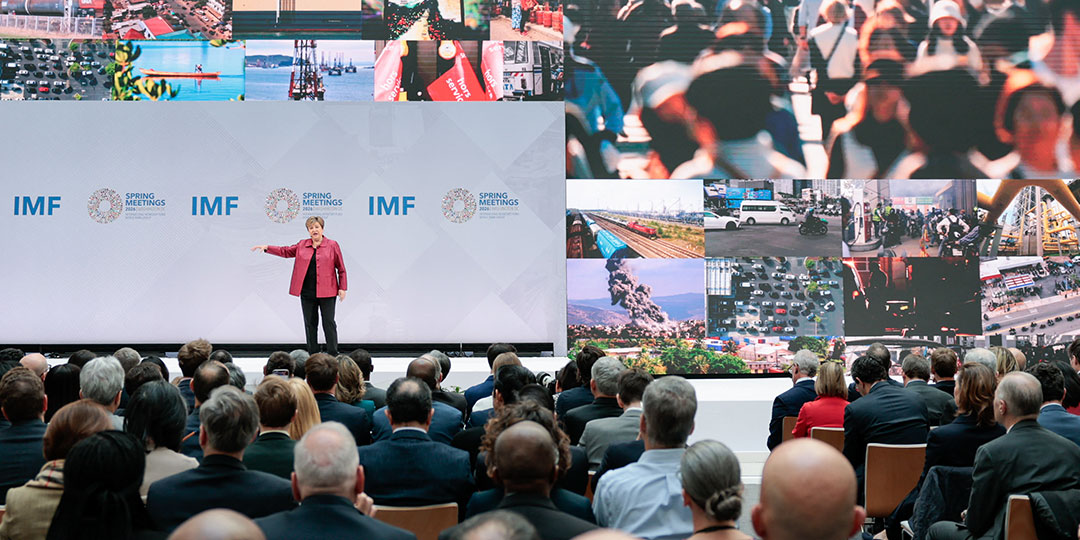
Simultaneously, the International Monetary Fund issued stark warnings of economic catastrophe stemming from Middle East war consequences. IMF Managing Director Kristalina Georgieva announced that the fund expects to provide up to $50 billion in emergency financial assistance to war-affected economies, while predicting that food insecurity from supply chain disruptions will impact at least 45 million people globally.
Iran Maintains Absolute Refusal to Curtail Nuclear Program
Iran’s atomic energy chief asserted that uranium enrichment remains beyond negotiation parameters. Eslami declared “All the conspiracies and actions of our enemies, including this brutal war, have led to nothing,” characterizing the United States as “futilely attempting to achieve its war objectives through negotiations.”
Eslami’s statements come as Washington and Tehran prepare for talks expected at week’s end under Pakistani mediation as part of the US-Iran ceasefire agreement. The negotiations are anticipated to address Iran’s nuclear program, positioning enrichment restrictions as a central point of contention in coming discussions.
Iran Claims Right to Peaceful Nuclear Program
Iran contests Western accusations that it seeks nuclear weapons capability, maintaining instead the right to a peaceful nuclear program. This fundamental disagreement over program intent remains the core tension surrounding Iran’s nuclear development for years. Iran’s current rejection signals no flexibility on this foundational principle despite military pressures.
Military History of Nuclear Program Disputes
War erupted when Israel and the United States launched strikes against Iran on February 28 while Washington was simultaneously conducting negotiations demanding that Tehran surrender its stockpile of highly enriched uranium and cease all enrichment operations. This dual approach reflected the contradictory strategy of negotiating while preparing military action.
During the 12-day war in June, Israel and the United States directly targeted Iran’s nuclear program. Both nations claimed they destroyed Iran’s uranium enrichment capacity.
Israeli and American Claims of Capability Destruction
Israel and the United States asserted success in neutralizing the Iranian nuclear threat through military strikes. However, Iran’s current defiant stance raises questions about the actual effectiveness of these strikes in accomplishing stated objectives. Eslami’s statements suggest that Iranian enrichment capabilities remain operational despite claimed destructions.
IMF Elevates Warnings of Economic Catastrophe
IMF Managing Director Kristalina Georgieva announced severe financial forecasts resulting from war consequences. Georgieva stated “Given the ramifications of the Middle East war, we expect demand for IMF support for balance of payments to rise in the near term to between $20 and $50 billion US dollars, with the lower end likely if the ceasefire holds.”
She added that escalation of the crisis could push assistance demands toward the maximum anticipated range, underscoring how military developments directly translate to economic resource requirements.
Global Food Security Under Severe Pressure
Georgieva warned that “food insecurity resulting from transport disruptions and supply chain breakdowns caused by the war is expected to affect at least 45 million people.” She emphasized that “even in the best case scenario, there will be no smooth return to the previous situation.”
The scale of projected humanitarian impact underscores the war’s consequences extending far beyond direct conflict zones into global food systems and economic stability.
Accelerating Economic Shocks and Global Ripple Effects
The US-Israeli war against Iran that began on February 28 disrupted supply chains and sharply elevated oil prices after Iran closed the Strait of Hormuz. The IMF intends to reduce its growth forecasts for the global economy in 2026 given the war’s multiple economic impacts.
Revised Growth and Inflation Estimates
Georgieva stated that even in “the most optimistic scenario” for the fund, infrastructure damage, supply interruptions, and loss of market confidence represent “negative effects” meaning growth will fall short of projections. The IMF is expected to raise its global primary inflation rate estimates due to oil price shocks and supply chain disruptions connected to the war.
International Meetings Address Economic and Food Security Effects
Directors of the IMF, World Bank, and World Food Programme convened on Wednesday in Washington to discuss the war’s economic and food security implications. A joint statement issued after the meeting stated “The sharp increase in oil, gas, and fertilizer prices alongside transport bottlenecks will inevitably lead to rising food prices and food insecurity.”
The statement reflected unified concern among major international financial and humanitarian institutions regarding systemic economic risks.
International Coordination Needed for Crisis Response
International institutions emphasized necessity for coordination among nations and regional and international organizations to address the war’s economic and humanitarian ripple effects. Forecasts indicate impact will persist for extended periods even if military situations stabilize.
Spring Meetings Reflect Global Concern
The IMF managing director’s statement came as the organization and World Bank launched their annual spring meetings in Washington. The gatherings bring together senior economic and financial policymakers from around the globe. The concentration of focus on war consequences reflects the level of international concern regarding conflict impact on the global economy.
Shifting Development Priorities Amid Crisis
The emphasis on war-related economic impacts at international financial institution meetings signals a fundamental shift in development priorities. Institutions previously focused on pandemic recovery and climate transition now confront immediate economic stabilization challenges stemming from regional conflict escalation.
Conclusion:
The contrasting positions of Iran and international financial institutions encapsulate the full scope of the current Middle East crisis. While Iran maintains absolute rejection of any restrictions on its nuclear program, the International Monetary Fund warns of potentially catastrophic economic consequences affecting tens of millions. The critical question remains whether forthcoming negotiations can achieve settlement reconciling nuclear security concerns with global economic stability, or whether hardline positions will prevent comprehensive resolution, determining Middle Eastern and global economic trajectories in coming months.