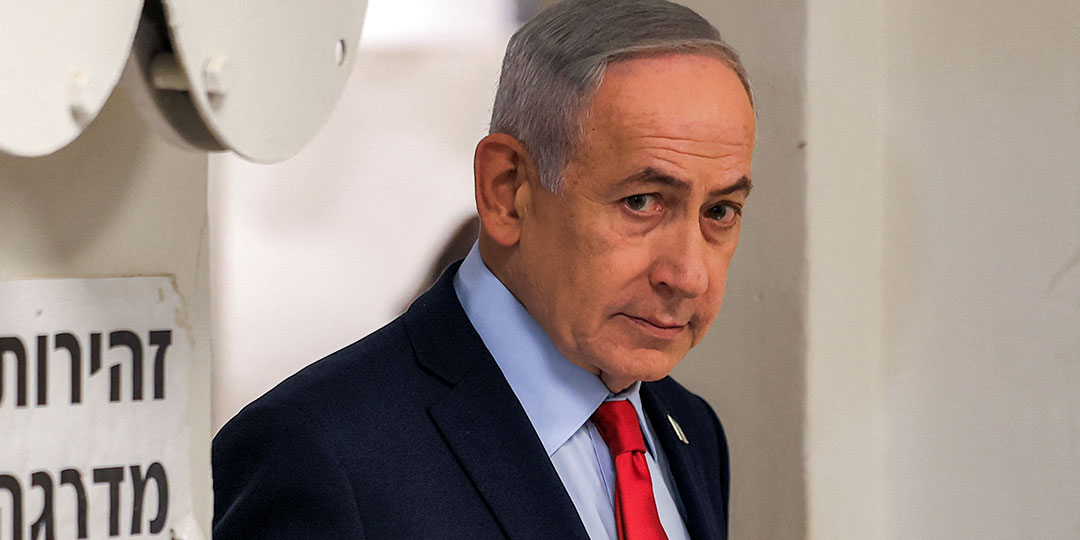

Israeli Prime Minister Benjamin Netanyahu reaffirmed on Thursday that Israel would continue military operations against Iranian-backed Hezbollah “wherever necessary,” hours after Israel executed widespread bombing campaigns on Lebanon that killed over 200 people. Netanyahu posted on social media platform X stating “We continue to strike Hezbollah with force, precision, and determination,” emphasizing the objective of restoring complete security to Israel’s northern population.
Simultaneously, German Chancellor Friedrich Mertz issued sharp warnings that Israeli escalation in Lebanon threatens to “derail the entire peace process” between the United States and Iran, calling on Israel to immediately halt military operations. The divergent statements underscore deepening tensions between Israeli military strategy and European diplomatic efforts to contain regional conflict.
Netanyahu Declares Unrelenting Campaign Against Hezbollah
Prime Minister Netanyahu outlined Israel’s uncompromising stance toward the Lebanese armed group. “Our message is clear: Anyone who moves against Israeli civilians, we will strike them. We will continue to target Hezbollah wherever necessary, until we restore complete security to Israel’s northern residents,” Netanyahu declared.
The Israeli military confirmed continuation of ground operations in Lebanon since confrontations began on March 2. Military statements reported nighttime airstrikes targeting “two main crossing points” used by Hezbollah elements and commanders to transport “thousands of weapons, rockets, and launch platforms” across the Litani River. The military also reported strikes on “approximately ten weapons storage facilities, launch platforms, and command centers” operated by the Lebanese organization.
Israeli Defense Minister Reports Hezbollah Casualties
Israeli Defense Minister Yisrael Katz announced that “more than 200 Hezbollah operatives were eliminated” in Wednesday’s bombing operations. Katz claimed that “the terrorist Hezbollah organization is pleading for a ceasefire, while its Iranian sponsors apply pressure and issue threats for fear that Israel will completely crush Hezbollah.”
Israel Excludes Lebanon from Ceasefire Arrangements
Both Israel and the United States confirmed that ceasefire arrangements between Washington and Tehran do not include Lebanon. Israeli authorities stated that military operations will continue independently of regional ceasefire agreements, rejecting any obligation to comply with truce provisions regarding Lebanese territories.
The US-Iran ceasefire agreement entered into force on the night of Tuesday-Wednesday, with the United States suspending strikes against Iran for two weeks. However, Israel, while publicly supporting the American decision, clarified that the understanding does not apply to Lebanese operations.
Explicit Exclusion from Peace Framework
Israeli officials made explicit statements that Lebanon remained outside the scope of regional ceasefire mechanisms. This positioning allowed Israel to maintain operational flexibility in southern Lebanon while technically complying with the broader US-Iran arrangement. The explicit exclusion raised concerns among diplomatic observers about the sustainability of regional peace initiatives.
Hezbollah Responds with Rocket Fire, Cites Ceasefire Breach
Hezbollah announced on Thursday that it launched rockets toward Israel in response to what it characterized as “Israeli breach of the ceasefire agreement.” In a statement posted on Telegram, the organization said “In response to the enemy’s breach of the ceasefire agreement, and after the resistance committed to the ceasefire while the enemy did not honor it, mujahideen of the Islamic resistance targeted the Menara settlement with a rocket barrage.”
Air raid sirens sounded across multiple areas of northern Israel throughout Thursday morning following rocket launches from Lebanese territory.
Lebanese Casualty Toll Exceeds Expectations
The Lebanese Health Ministry reported over 200 deaths and more than 1,000 wounded from Wednesday’s Israeli bombing campaigns. Lebanese Prime Minister Nawaf Salam declared a national day of mourning for victims, ordering closure of government administrations, public institutions, and municipalities, with flags lowered to half-mast.
Mertz Warns Germany of Regional Peace Collapse
German Chancellor Friedrich Mertz issued stark warnings regarding consequences of Israeli escalation. Speaking to journalists, Mertz stated “We view the situation in southern Lebanon with particular concern. The intensity of operations that Israel is conducting there could lead to the failure of the entire peace process, and this must not happen.”
Mertz confirmed he had requested on Wednesday, alongside other European leaders, that “the Israeli government put an end to the escalation of its attacks” on Lebanese territories.
Berlin Resumes Dialogue with Tehran
Mertz announced that “the German government is now resuming talks with Tehran” after “a long period of silence,” coordinated with the United States and European partners. The German Chancellor stated “We want to put a quick end to military escalation that increasingly destabilizes the Middle East, increasingly benefits Russia, and is now creating global uncertainty.”
The resumption of German-Iranian dialogue signals European efforts to preserve the nascent ceasefire framework despite Israeli military operations proceeding independently.
Concerns Over NATO Alliance Fracture
Mertz stressed his opposition to any divisions within the NATO alliance due to regional crisis escalation. He stated “I do not want a split within NATO. The alliance is the guarantor of our security, especially in Europe. We must maintain our composure.”
Mertz’s statements followed accusations by US President Donald Trump that NATO partners had “turned their backs” on the United States in the conflict with Iran. Mertz met with NATO Secretary General Mark Rutte in Washington to discuss alignment of allied interests.
Historical Context of German-Israeli Relations
Mertz’s warnings carry particular weight given Germany’s historical commitment to Israel stemming from Nazi past. The German cautions emerged during a period of sharp escalation in Lebanese military strikes, reflecting growing European concern that Israeli operations may exceed containable regional limits.
Divergent Strategic Assessments
The exchange between Netanyahu and Mertz reflects sharp divisions over Israeli military strategy in Lebanon. While Israel affirms determination to continue operations against Hezbollah regardless of regional ceasefire arrangements, European circles warn that escalation could detonate nascent peace efforts and widen conflict scope.
Regional Stability at Stake
International observers note that the current trajectory pits Israeli security imperatives against broader regional de-escalation objectives. The Lebanese front remains volatile, with Hezbollah and Israeli forces engaging in tit-for-tat operations despite nominal ceasefire frameworks.
Conclusion:
Netanyahu’s reaffirmation of military resolve contrasts sharply with European diplomatic appeals for restraint. While Israel prioritizes security threats to its northern territory, German and European warnings emphasize the risk that uncontrolled escalation could unravel fragile regional peace arrangements. The critical question remains whether diplomatic pressure from Western allies can modify Israeli military strategy or whether Israeli security assessments will override emerging international ceasefire frameworks, determining the trajectory of Middle Eastern stability in coming weeks.