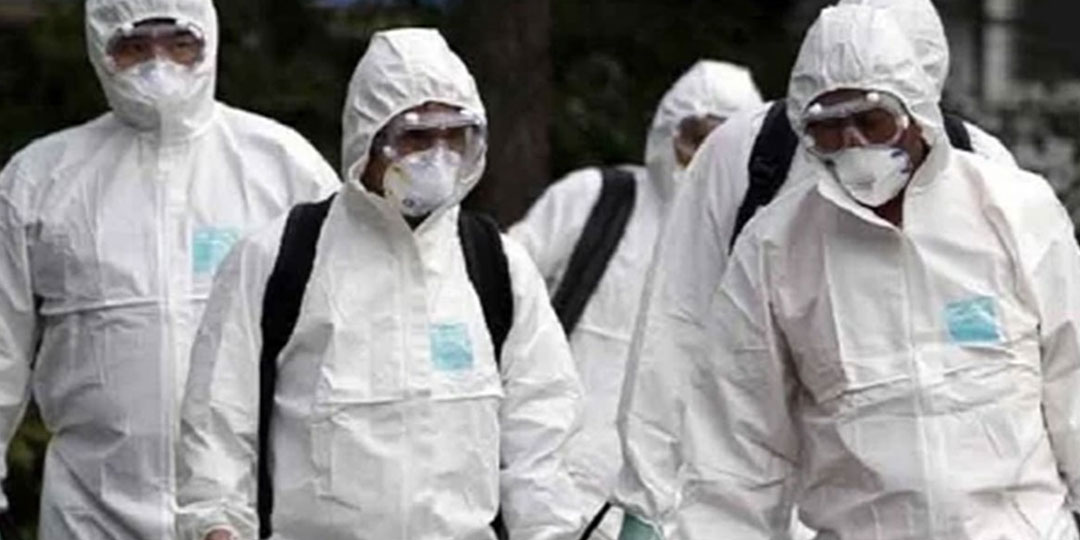

The Ebola outbreak in the Democratic Republic of Congo and Uganda continues to raise international concern, with hundreds of suspected cases and a significant number of deaths reported.
According to the World Health Organization, the current outbreak involves the Bundibugyo strain of the virus, which has a high fatality rate and limited treatment options.
European officials, including Italy’s prime minister, have called for enhanced border controls within the European Union in response to the evolving situation.
906 suspected cases and 223 deaths reported
The World Health Organization said that 906 suspected Ebola cases have been recorded in the Democratic Republic of Congo, including 223 deaths.
Among these, 125 cases have been laboratory confirmed in Congo. In Uganda, seven confirmed cases have been reported, three of which involved individuals arriving from Congo. Uganda has recorded one death linked to the outbreak.
Health authorities continue to monitor the situation closely as case investigations and contact tracing efforts expand.
High fatality rate raises alarm
A senior official from the WHO Health Emergencies Programme stated that the fatality rate among confirmed cases ranges between 30 and 50 percent.
She described the mortality rate as very high, while noting that the data remain preliminary and further research is ongoing. Early medical intervention and supportive care are considered essential in reducing mortality.
No approved vaccine for Bundibugyo strain
The WHO confirmed that there are currently no approved vaccines or specific treatments for the Bundibugyo strain responsible for the outbreak.
This lack of targeted medical tools underscores the importance of early detection, isolation measures, and strengthened public health responses in affected areas.
Italy calls for tighter EU border controls
In Europe, Italian Prime Minister Giorgia Meloni urged the European Union to strengthen border monitoring in light of the Ebola outbreak.
She called for border management to be placed on the agenda of the upcoming European Council meeting in June, emphasizing the need for coordinated preventive measures.
Precautionary measures in Italy
Italian authorities have implemented several precautionary steps, including:
Activating targeted health monitoring protocols for travelers arriving from Congo and Uganda
Requesting a virtual meeting of EU health ministers to coordinate a joint response
Deploying a specialized medical team from Rome’s Spallanzani Hospital to Kinshasa to support local health services
These measures are intended to enhance preparedness and reduce the risk of cross‑border transmission.
Broader global health implications
The Ebola outbreak highlights the ongoing vulnerability of global health systems to emerging infectious diseases.
Key concerns include:
Rapid cross‑border transmission risks
Pressure on fragile healthcare infrastructure in affected regions
The absence of strain‑specific vaccines
The need for international cooperation in surveillance and response
Conclusion:
The Ebola outbreak in Congo and Uganda represents a serious public health challenge, with a high fatality rate and no approved vaccine for the current strain. As European leaders call for tighter border controls, international coordination remains critical to containing the outbreak and preventing wider spread.