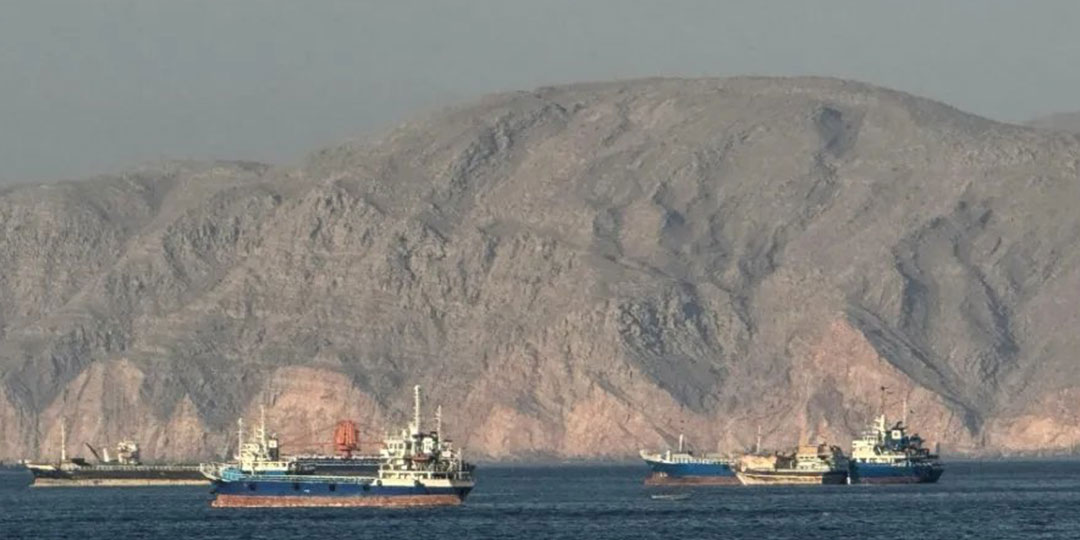

The United States lifts naval blockade on Iran, President Donald Trump said on Friday, adding that ships stranded in the Strait of Hormuz can now begin returning.
The announcement came as Iran’s Revolutionary Guard reported the passage of 24 vessels through the strategic waterway in the past 24 hours, while US Central Command confirmed it had redirected dozens of ships away from Iranian ports.
The developments reflect evolving positions regarding maritime activity in the Gulf.
Trump announces end of naval blockade
Trump stated that vessels delayed due to the blockade being lifted may now start returning.
He added that Iran must agree never to possess a nuclear weapon or bomb, and said the Strait of Hormuz should be opened immediately without transit fees in either direction.
The US president also referred to the removal of naval mines, saying several had been destroyed and that Iran would clear any remaining ones.
IRGC Navy reports 24 vessels crossing
The Islamic Revolutionary Guard Corps Navy said 24 ships and oil tankers crossed the Strait of Hormuz within the last 24 hours in coordination with its forces.
Iranian state television confirmed the figure and stressed that maritime traffic in the strategic corridor continues.
Strategic significance of the Strait
The Strait of Hormuz is one of the world’s most important maritime routes for energy exports. Developments in the area affect:
Global oil and gas shipments
International trade routes
Energy market stability
US Central Command redirects ships
In a separate statement, US Central Command said it had redirected 115 vessels to ensure that no commercial trade entered or exited Iranian ports.
The move indicates continued enforcement measures, even as Trump announced the lifting of the naval blockade.
Ongoing uncertainty in Gulf waters
The situation highlights a complex picture marked by:
A US declaration to lift the blockade
Iranian confirmation of vessel transit
US actions to reroute ships away from Iranian ports
Conclusion:
The announcement that the US lifts naval blockade on Iran signals a potential shift in maritime policy, while differing statements from Washington and Tehran underscore continued tensions surrounding the Strait of Hormuz. Further developments are likely to shape navigation and energy markets in the region.