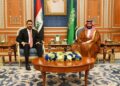
The United States and Iran are discussing conducting new direct negotiations to extend the temporary ceasefire before it expires next week, Bloomberg reported Tuesday. Sources informed the news agency that both nations are considering scheduling another round of talks aimed at converting the two-week truce into a longer-term agreement. The reported discussions signal that despite the failure of the Islamabad round last week, diplomatic channels between Washington and Tehran remain open and both sides view continued engagement as preferable to resuming full-scale military operations.
US Vice President JD Vance indicated that meaningful progress has been achieved in preliminary negotiations, though significant gaps persist on core issues. Vance stated that the United States has achieved its battlefield objectives and can begin gradually ending the conflict, while emphasizing that a major deal remains possible if Iran meets American preconditions.
Direct Talks Resume Before Ceasefire Expires
According to Bloomberg’s reporting based on informed sources, the US and Iran are conducting discussions about scheduling another round of direct negotiations before the ceasefire terminates. The proposed talks would aim at achieving a longer-term cessation of hostilities, moving beyond the current two-week arrangement that began April 9 and expires April 23.
Islamabad has again been identified as a potential venue for any new round of Iran-US talks, building on its previous role hosting the failed negotiations last week. Pakistan’s demonstrated willingness to serve as mediator suggests the South Asian nation views continued diplomatic engagement as critical to regional stability.
Vance Signals Partial Progress, Remaining Gaps
US Vice President Vance offered a more optimistic assessment than previous American officials, indicating that negotiations with Iran have not proceeded entirely unfavorably. “Not everything went badly during our talks with the Iranians in Islamabad,” Vance stated, according to Fox News reporting.
However, Vance tempered expectations by noting that while “the Iranians moved toward us in negotiations,” their concessions remained insufficient to satisfy Washington’s core demands. The vice president’s comments suggest that incremental progress is occurring but fundamental disagreements persist on critical issues.
American Preconditions Remain Unmet
Vance articulated the primary American objective: complete elimination of Iran’s uranium enrichment capability. “Our basic condition is to completely disarm Iran of any ability to enrich uranium. We want to completely remove enriched uranium from Iran,” Vance stated.
The US vice president connected nuclear disarmament to broader regional security concerns, explaining that “the big deal is dependent on Iran giving up seeking to possess nuclear weapons and ceasing support for terrorism.” This formulation links Iran’s nuclear program to its regional proxy activities, making any comprehensive agreement contingent on addressing multiple policy domains simultaneously.
Pressure Campaign Intensifies
Vance explicitly referenced the American naval blockade of the Strait of Hormuz as economic pressure on Tehran. “The blockade imposed on oil in the Strait of Hormuz constitutes economic pressure on Iran. The coming days will reveal whether the Iranians are prepared to take final steps toward a major deal,” Vance said.
The characterization of the Hormuz blockade as pressure mechanism indicates that US officials view economic coercion as complementary to diplomatic engagement, attempting to incentivize Iranian concessions through restrictions on oil exports that constitute the country’s primary revenue source.
Timeline Accelerating as Ceasefire Expires
Vance’s emphasis on the coming days reflects the compressed timeline created by the approaching expiry of the two-week ceasefire. With the truce set to end next week, both sides face immediate pressure to either negotiate extension or prepare for conflict resumption. This temporal pressure creates both opportunity and risk for diplomatic breakthrough.
Chinese Foreign Ministry Calls for Permanent Ceasefire
China’s Foreign Ministry issued a statement calling for complete cessation of hostilities between Iran and the United States as “the only solution to de-escalate tensions in the region.” This positioning reflects China’s interest in Middle Eastern stability and its strategic competition with the United States for regional influence.
“Expansion of American military deployment will only exacerbate tensions, and the situation has reached a critical crossroads,” the Chinese Foreign Ministry stated. The statement implicitly criticizes American military posture while calling for diplomatic resolution, aligning with Beijing’s broader strategy of presenting itself as committed to peace while highlighting American militarism.
Xi Jinping Proposes Peace Framework
Chinese President Xi Jinping presented four proposals for maintaining peace during a meeting with Abu Dhabi Crown Prince Khaled bin Mohamed Al Nahyan in Beijing. According to Chinese state television, Xi’s proposals encompass: commitment to peaceful coexistence, respect for national sovereignty, maintenance of international law, and coordination of security and development.
This framework represents China’s attempt to position itself as offering comprehensive Middle East peace architecture while subtly criticizing American unilateralist approaches that ignore international law and sovereign equality.
Vance Emphasizes US Battlefield Success
The vice president asserted that the United States has achieved its military objectives, stating: “The United States has achieved its battlefield objectives and can begin gradually ending this conflict.” This claim suggests American confidence in its military position and willingness to negotiate from perceived strength.
However, Vance simultaneously acknowledged that complete achievement of political objectives requires Iranian concessions rather than military force. This dual messaging balances American military confidence with diplomatic reality that lasting peace requires negotiated agreement rather than imposed settlement.
Gradual Conflict Termination Strategy
Vance’s reference to “gradually ending” the conflict suggests American preference for phased rather than abrupt cessation of hostilities. This approach might involve sequential withdrawals, gradual reduction of military operations, and confidence-building measures establishing trust between previously warring parties.
Ball in Iran’s Court, Vance Asserts
The vice president positioned Iran as bearing responsibility for next steps toward agreement: “I believe there is potential for a major deal, but it comes down to the Iranians taking the next step. Yes, we made progress in talks with Iran, but we have not yet reached the end of the road.”
This formulation assigns agency to Iran while preserving American flexibility to claim diplomatic failure results from Iranian intransigence should negotiations break down. By publicly establishing that “the ball is in Iran’s court,” American officials attempt to shape international narratives around responsibility for diplomatic success or failure.
Comprehensive Agreement Remains Elusive
Despite Vance’s optimistic language about deal potential, the substance of his comments indicates that comprehensive agreement addressing nuclear weapons, regional proxy activities, sanctions relief, and Hormuz navigation remains distant. The explicit linkage between nuclear concessions and support for regional groups suggests that Iran faces demands extending far beyond traditional non-proliferation agreements.
Regional Terrorism Designation as Sticking Point
Vance’s reference to ceasing “support for terrorism” implicitly references Iran’s backing of Hezbollah in Lebanon, Palestinian resistance groups, and other organizations that the United States designates as terrorist entities. Iran’s refusal to abandon support for regional allied forces represents a core source of Iran-US conflict that nuclear agreements alone cannot resolve.
Ceasefire Expiration Deadline Creates Urgency
The April 23 expiration of the two-week ceasefire creates hard deadline for extending the truce or allowing it to lapse. Both sides face binary choice: negotiate agreement on extending ceasefire terms, or prepare for conflict resumption. This temporal pressure may either accelerate genuine diplomatic breakthrough or produce theatrical negotiation followed by conflict renewal.
Pakistan Positioning for Expanded Mediation Role
Pakistan’s identification as potential venue for new talks positions Islamabad for expanded mediator role. Pakistan’s geographic position between Iran and Afghanistan, combined with its close relationships with both the United States and Gulf Arab states, makes it natural platform for facilitating Iran-US engagement.
Regional Actors Monitoring Negotiations
The involvement of China in issuing peace proposals and Gulf Arab leaders hosting diplomatic meetings indicates that regional actors view the Iran-US dispute as central to Middle Eastern stability. Competing diplomatic initiatives from China and Western nations reflect broader competition for influence over regional conflict resolution.
Conclusion:
Reported discussions between the United States and Iran about scheduling new negotiations to extend the ceasefire represent a critical diplomatic moment. Vice President Vance’s comments indicate that preliminary progress has occurred on some issues while fundamental gaps persist on nuclear weapons, enriched uranium removal, and regional proxy support. The approaching April 23 expiration of the two-week ceasefire creates urgency that may either produce breakthrough or allow the truce to collapse. While American officials project confidence in military achievements and negotiating position, the substantive demands presented to Iran remain comprehensive and potentially difficult to satisfy. China’s involvement in proposing alternative peace frameworks suggests that managing the Iran conflict has become central to broader great power competition in the Middle East. The next week will reveal whether both sides can convert preliminary progress into negotiated extension of the ceasefire or whether the conflict resumes.