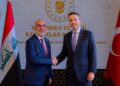

Turkish Foreign Minister Hakan Fidan called Thursday for an immediate halt to Israeli attacks on neighboring Lebanon “before the state collapses.” Fidan made his remarks during a joint press conference with German counterpart Johanna Anna Baerbock. The Turkish foreign minister warned that continued Israeli operations would trigger Lebanese state collapse, with consequences “affecting the entire region deeply,” particularly neighboring countries. Turkey’s demands come amid an escalating humanitarian crisis in Lebanon, with 687 deaths reported and more than 800,000 displaced since hostilities between Israel and Hezbollah commenced last week. The Turkish appeal reflects growing regional concern about conflict escalation and its destabilizing effects on Middle Eastern stability and state viability.
Turkey’s call for cessation reflects broader international concern regarding the conflict’s trajectory and humanitarian consequences.
Turkish Position on Israeli Operations
Turkish Foreign Minister Hakan Fidan stated that “Netanyahu’s government is at the heart of every crisis in the region.” Fidan declared: “Israel, which pursues expansionist policies, is exploiting the current war to transfer its ‘dirty war’ to Lebanon.”
Fidan emphasized that “Israel’s attacks must end before the Lebanese state collapses,” warning that Lebanese state collapse would affect “the entire region deeply,” particularly neighboring countries. The Turkish foreign minister described the mass evacuation of Lebanon’s population as “completely unacceptable.”
Turkish Accusations Against Israel
Turkey conveyed explicit messaging regarding Israeli policies:
Expansionist policy: Accusations that Israel pursues regional expansion
War exploitation: Using regional conflict to achieve military objectives in Lebanon
Stability threat: Warnings about attacks’ impact on regional stability
Humanitarian crisis: Criticism of military operations’ effects on civilian populations
Lebanon’s Situation: Casualties and Displacement
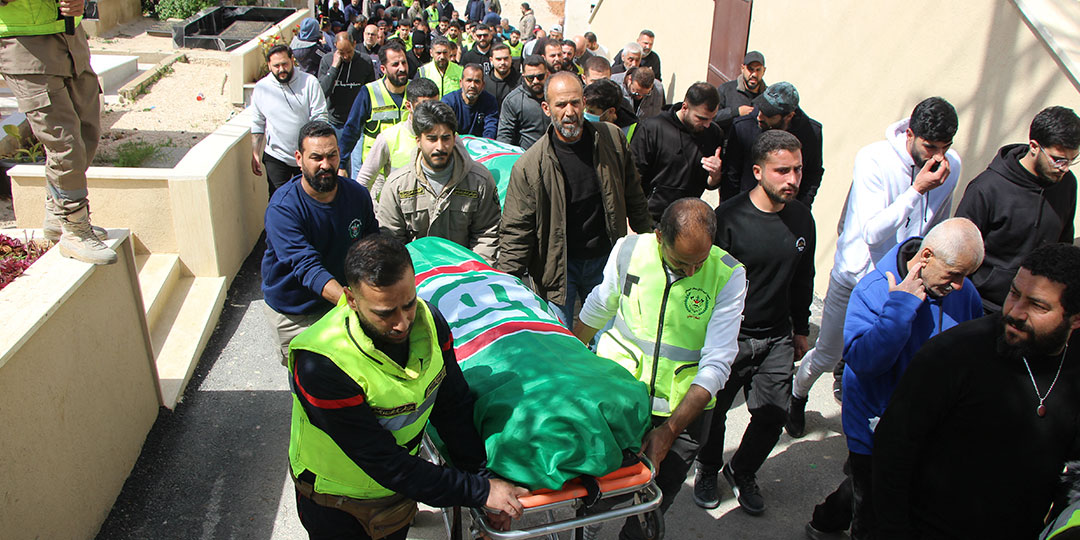
The Lebanese government reported that death toll from Israeli attacks reached 687 people since hostilities began on March 2. Lebanese Information Minister Paul Marques stated during a press briefing: “The number of martyrs has reached 687, including 98 children and 52 women.”
This figure reflects substantial casualties, with significant numbers of children and women, indicating that attacks predominantly impact civilian populations.
Casualty Distribution
Casualties in Lebanon are distributed across categories:
Total deaths: 687 people
Children: 98 children
Women: 52 women
Civilians: Majority of casualties
Mass Displacement and Humanitarian Emergency
The crisis extends beyond fatalities. More than 800,000 people have been registered as displaced from their homes in Lebanon since warfare began. This figure represents enormous forced population movement resulting from Israeli military operations.
Thousands of Lebanese live in critical humanitarian conditions, deprived of homes and essential services.
Historical Context of Israeli-Lebanese Conflict
Lebanon entered the regional war last week when Hezbollah attacked Israel in retaliation for the killing of Ayatollah Ali Khamenei (former Iranian supreme leader) in US-Israeli strikes. Israel had conducted attacks on Lebanon prior to formal warfare, even during 2024 ceasefire periods.
Since Hezbollah’s entry into warfare, Israel has escalated operations, conducting airstrikes and deploying ground forces to border areas.
Intensive Rocket Attacks by Hezbollah
The Israeli military announced that Hezbollah launched approximately 200 rockets Wednesday night in “the largest barrage” directed at Israel since warfare began.
Israeli military spokesman Nadav Shoshani stated: “Last night, Hezbollah, coordinating with Iran, conducted an attack launching rockets and unmanned aircraft against cities and communities throughout Israel, approximately 200 rockets and approximately 20 unmanned aircraft, in addition to ballistic missiles from Iran.”
Scale of Rocket Barrage
Overnight rocket attacks included staggering numbers:
Rockets: Approximately 200 rockets from Lebanon
Unmanned aircraft: Approximately 20 unmanned aircraft
Iranian ballistic missiles: Ballistic missiles from Iran in coordination
Coordination: Military coordination between Hezbollah and Iran
Israeli Air Defense and Impacts
The Israeli military confirmed that air defenses intercepted most attacks. Shoshani stated: “We had good air defense and rapid response, resulting in minimal impacts, only one or two or three direct hits… and some civilians sustained minor injuries.”
Despite robust defense, Israel acknowledged some direct hits and minor civilian injuries.
Israeli Warnings to Lebanon
Israel’s defense minister warned Lebanon that Israel “will control territory” if Hezbollah does not cease rocket launches. This warning reflects potential Israeli intentions for territorial expansion in Lebanese areas.
Such warnings may indicate Israeli plans to expand military operations in Lebanon.
International Position and Regional Concern
Turkish statements reflect growing diplomatic concern about conflict escalation. Turkey explicitly called for cessation of Israeli attacks, warning of consequences from potential Lebanese state collapse.
Turkish diplomacy may reflect broader regional efforts to contain the conflict.
Escalating Humanitarian Toll
Lebanon’s humanitarian crisis deteriorates daily:
Ongoing deaths from aerial bombardment. Continuous displacement of populations from affected areas. Loss of homes and infrastructure. Food, water, and medication shortages. Collapse of essential services.
Danger of Lebanese State Collapse
Turkey warned of significant risk: Lebanese state collapse resulting from warfare. Fidan stated this would affect “the entire region deeply,” particularly neighboring countries.
Lebanese state collapse could produce:
Security vacuum in the region. Expansion of various regional powers’ influence. Massive refugee waves. Broader regional instability.
Israeli Policy and Regional Expansion
Turkey accused Israel of “expansionist policy” and exploiting regional crisis. Such accusations suggest Israel uses current warfare to pursue objectives extending beyond self-defense.
International discussions may occur regarding Israel’s actual intentions in the region.
Coordination of Iran-Hezbollah Axis
The Israeli military emphasized coordination between Hezbollah and Iran in attacks. Shoshani stated: “Hezbollah, coordinating with Iran, conducted an attack launching rockets and unmanned aircraft.”
This coordination suggests unified military axis against Israel, with direct Iranian support.
Regional Diplomatic Context
Turkey’s demands reflect broader diplomatic efforts by regional states concerned about conflict expansion. Alongside military operations, diplomatic channels attempt to manage escalation and its consequences.
Turkish mediation efforts may represent attempts to establish communication between conflicting parties.
Potential Future Trajectory
The Israeli-Lebanese conflict’s future path remains uncertain. Continued warfare could produce:
Intensified displacement. Greater civilian casualties. Actual Lebanese state collapse. Intervention by other regional states. Expanded regional conflict scope.
International Humanitarian Response
International humanitarian organizations mobilize to address crisis needs. UN agencies prepare for expanded displacement assistance. Regional neighbors prepare for potential refugee influxes.
However, ongoing military operations may limit humanitarian workers’ access to affected populations.
Economic Implications for Region
Lebanese state collapse would carry severe economic consequences:
Disruption of regional financial hub (Lebanon hosted significant banking operations). Trade disruption. Capital flight from region. Economic recession in neighboring states. Reconstruction costs extending decades post-conflict.
US Position and International Support
The United States has provided military support to Israel and continues diplomatic backing. However, international pressure mounts for cessation of hostilities and humanitarian access.
European countries express concern about escalation and humanitarian consequences.
Conclusion:
Turkey explicitly demanded cessation of Israeli attacks on Lebanon before state collapse occurs. Turkish position reflects growing international concern about escalation consequences for regional stability. Staggering figures (687 deaths and 800,000 displaced) reflect enormous humanitarian suffering scale. Intense rocket barrages by Hezbollah and Israeli warnings about territorial control suggest probability of additional military escalation. As warfare continues, risk increases for actual Lebanese state collapse, affecting entire regional stability. Situation requires rapid diplomatic intervention to prevent broader humanitarian and security catastrophe in the region. Turkey’s explicit demands signal that traditional regional consensus regarding conflict management may be breaking down, potentially leading to broader regional realignment and conflict expansion. The humanitarian crisis in Lebanon represents one of the conflict’s most immediate and severe consequences, with long-term implications for regional stability and state viability extending well beyond warfare’s cessation.