
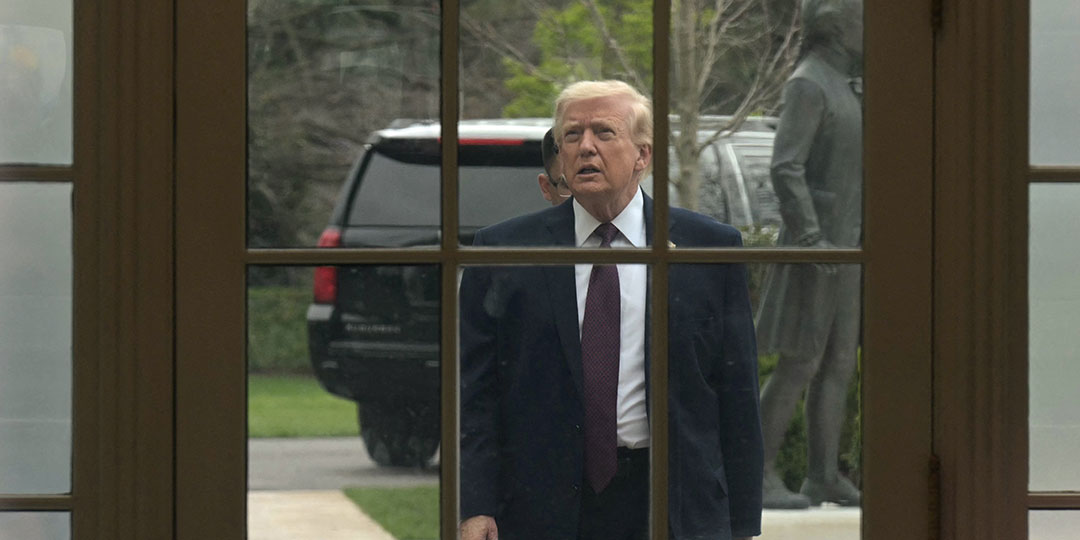

President Donald Trump announced Wednesday the appointment of some of America’s most prominent technology leaders to his Presidential Council of Advisors on Science and Technology, known as PCAST. The initial group includes 13 industry leaders, among them Meta founder Mark Zuckerberg, Google co-founder Sergey Brin, and Oracle CEO Larry Ellison. The appointments represent a dramatic shift in Trump’s approach to the technology sector compared to his first term in the White House, when he frequently clashed with major tech companies over content moderation and monopoly concerns.
The council will focus on shaping U.S. responses to intensifying global competition in artificial intelligence, particularly with China.
The Full List of Appointed Tech Industry Leaders
Trump’s first slate of appointments to PCAST includes some of the most influential figures in global technology and venture capital:
Mark Zuckerberg – Founder and leader of Meta Platforms
Sergey Brin – Co-founder of Google
Larry Ellison – CEO of Oracle Corporation
Jensen Huang – CEO of Nvidia, leader in AI chip manufacturing
Lisa Su – CEO of AMD, chipmaker for advanced computing
Marc Andreessen – Prominent venture capitalist and Silicon Valley thought leader
The council can ultimately expand to 24 members under an executive order issued in January of the previous year.
Leadership and Administrative Structure
David Sacks, Trump’s advisor on artificial intelligence and cryptocurrency issues, will co-chair the council alongside Michael Kratsios, a technology investor who previously served as the nation’s chief technology officer during Trump’s first term. This dual leadership structure combines policy expertise with deep technical knowledge of the industry.
Sacks brings significant influence in both the cryptocurrency and AI communities, while Kratsios offers experience in government technology policy and implementation.
The Council’s Role and Limited Authority
Founded during President Franklin D. Roosevelt’s administration, PCAST operates strictly in an advisory capacity. The council issues reports and recommendations on topics the President directs it to study, but holds no regulatory or enforcement authority. Its influence depends entirely on the President’s willingness to consider and act on its recommendations.
Previous council members have weighed in on diverse topics spanning pandemic preparedness, quantum computing, clean energy development, and advanced research initiatives.
Historical Focus Areas
Past PCAST initiatives have addressed:
Pandemic preparedness and public health emergency response
Quantum computing and next-generation technologies
Clean energy and environmental sustainability
Scientific research funding and development priorities
Cybersecurity and critical infrastructure protection
Strategic Objectives: Achieving U.S. Leadership in Artificial Intelligence
The council is expected to play a pivotal role in shaping Washington’s response to escalating global competition in artificial intelligence, particularly with China, whose state-backed companies possess advanced AI capabilities. The administration aims to leverage Silicon Valley’s innovation capacity to maintain American technological dominance.
Mark Zuckerberg stated in a statement: “The United States has an opportunity to lead the world in artificial intelligence. I am honored to join the President’s council and work with other industry leaders to contribute to making that happen.”
A Dramatic Shift in Trump’s Tech Sector Relations
These appointments represent the latest signal of strong ties Trump has built with Silicon Valley since the beginning of his second term in January 2025. This marks a dramatic reversal from his contentious relationship with major tech companies during his first four years in office, when he criticized social media platforms for content moderation decisions and pursued antitrust investigations against them.
During his first presidency (2017-2021), Trump frequently attacked tech giants over censorship concerns and monopolistic practices. Now he seeks to build a strategic partnership with them on artificial intelligence and global competitiveness issues.
Turnaround in Rhetoric and Relations
The months leading up to Trump’s second inauguration witnessed a notable warming of relations between the White House and the technology sector. Trump met with several tech leaders before his reinstatement and expressed support for American AI advancement. Some analysts attribute this shift to Trump’s recognition of the strategic importance of AI dominance in future geopolitical competition.
Negative Political and Public Backlash
The growing relationship between the White House and the technology sector has generated significant political and public criticism. Recent opinion polls indicate that Americans increasingly believe that major tech companies wield excessive influence over Washington’s policy decisions.
This concern reflects broader anxieties about corporate power in American democracy and the outsized influence of billionaire tech entrepreneurs.
Public Concerns About Tech Influence
Americans express multiple concerns about the close relationship between tech executives and the Trump administration:
Tech companies gaining preferential treatment in regulatory matters
Reduced privacy protections for consumers and users
Lack of ethical oversight in artificial intelligence development
Impact on job markets and employment displacement
Potential conflicts of interest between company profits and public welfare
Fears About Artificial Intelligence and Political Impact
Political observers worry about the rapid advancement of artificial intelligence and its potential societal effects. These concerns arrive at a politically sensitive moment, as consequential midterm elections approach in November 2026.
Rapid AI development could directly influence public opinion and political perceptions, particularly if not properly regulated and overseen with adequate safeguards for the public interest.
Regulatory and Accountability Challenges
The appointment of tech leaders to the President’s advisory council raises important questions:
How can conflicts of interest be prevented and managed?
What ethical standards will guide AI development recommendations?
How will consumer and worker protections be maintained?
What transparency mechanisms will ensure public accountability?
How will national interests be prioritized over corporate profits?
Geopolitical Context: Competition with China
The emphasis on artificial intelligence reflects a broader strategy to maintain American technological supremacy. China has witnessed rapid AI development, with strong government support for domestic companies like Baidu and Alibaba that possess advanced capabilities in this critical field.
The Trump administration seeks to mobilize Silicon Valley’s innovation capacity to ensure the United States does not fall behind China technologically in this transformative domain.
Strategic Implications of AI Leadership
U.S. dominance in artificial intelligence carries major implications for:
Military and defense capabilities
Economic competitiveness and job creation
Scientific discovery and medical breakthroughs
Democratic governance and information integrity
Global technological standards and norms
The Trump Administration’s Technology Strategy
By appointing these leaders, Trump signals his belief that government and private sector must work together on AI policy. The administration appears to be betting that enlisting tech industry buy-in will accelerate American AI leadership while avoiding strict regulatory constraints that might hamper innovation.
This approach contrasts with some Democratic calls for stronger AI regulation and worker protections.
Conclusion:
These appointments reflect a strategic pivot in Trump’s relationship with the technology sector, transforming previous antagonism into partnership focused on national objectives. However, the appointments raise legitimate questions about balancing private corporate interests with broader public welfare. The council’s success will depend on its ability to provide recommendations that prioritize innovation while protecting consumers, workers, and democratic institutions from potential AI-related harms. The next months will reveal whether this unprecedented collaboration between government and Silicon Valley produces effective policies or becomes another arena of influence-peddling and special interest dominance.