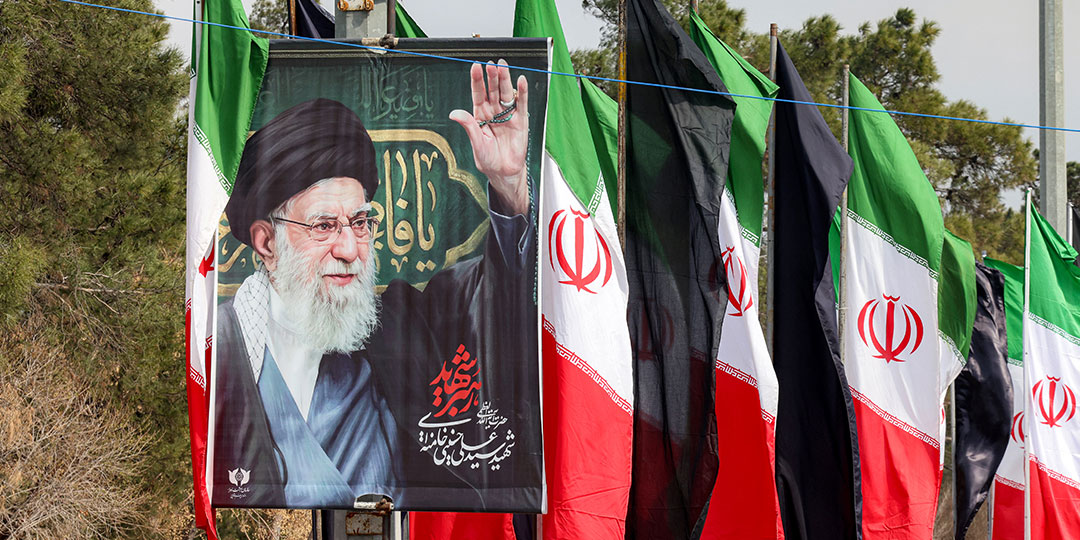

Iran’s Assembly of Experts formally announced on Sunday, March 9, that Mojtaba Khamenei, son of the late Ayatollah Ali Khamenei, has been appointed as the Islamic Republic’s third supreme leader. The appointment came through a decisive vote during an extraordinary session of the Assembly, marking a significant transition in Iran’s political structure following the February 28 death of his father in Israeli and American strikes on Tehran.
The religious body issued a formal statement confirming the decision: “After careful and extensive studies, in today’s extraordinary session, Ayatollah Seyyed Mojtaba Hosseini Khamenei is appointed and introduced as the third leader of the sacred system of the Islamic Republic of Iran, based on the decisive vote of the respected representatives of the Assembly of Experts.”
Military and State Institutions Pledge Allegiance
Iran’s Revolutionary Guards swiftly affirmed their loyalty to the new supreme leader within hours of the appointment. The Guards released a statement declaring: “The Islamic Revolutionary Guard Corps is ready for complete obedience and self-sacrifice in carrying out the divine commands of the Guardian Jurist of the time, His Eminence Ayatollah Seyyed Mojtaba Khamenei.”
This rapid expression of support from the country’s most powerful military institution underscores the establishment’s commitment to ensuring continuity and stability during the leadership transition.
Iran Launches Missile Strike on Israel Under New Leadership
Hours after Mojtaba Khamenei’s appointment, Iran fired its first wave of missiles at Israel, signaling that the country’s confrontational stance toward its regional adversary would continue unchanged. State broadcaster IRIB announced the strike via Telegram, stating: “Iran fires first wave of missiles under Ayatollah Seyyed Mojtaba Khamenei towards occupied territories.”
Iranian missiles bore the inscription “At Your Command, Sayyid Mojtaba,” a Shiite religious reference linking the military action directly to the new supreme leader’s leadership. This symbolic and substantive action demonstrated that defense and regional policy decisions would proceed without delay under the new administration.
Israeli air defense systems activated across much of northern and central Israel, with sirens sounding in major cities including Tel Aviv and Haifa, according to Israeli military reports. Police responded to at least two sites in central Israel where interceptor debris fell. Medical emergency services reported one woman was moderately injured by debris resulting from the exchange.
Israeli military officials subsequently announced that air defenses had successfully intercepted incoming missiles and that it was safe for citizens to leave protected areas.
Public Reaction and Domestic Dissent
Not all Iranians embraced the appointment without question. Social media footage posted Sunday evening captured chants hostile to the new supreme leader in Tehran. A 17-second video, recorded from a residential building at night, contained women’s voices shouting “Death to Mojtaba” in Persian, while religious chants could be heard in the background.
While AFP could not verify the exact location of the footage or whether similar chants occurred elsewhere in the capital, the video’s existence indicates that domestic opposition to the succession exists despite the official consensus within state institutions.
Regional Allies Affirm Support for New Leadership
Yemen’s Houthi rebels, a key regional ally of Iran, publicly welcomed Mojtaba Khamenei’s appointment as supreme leader. The group released a statement on Telegram praising the decision: “We congratulate the Islamic Republic of Iran, its leadership and people, on the selection of Sayyid Mojtaba Khamenei as Supreme Leader of the Islamic Revolution at this important and pivotal juncture.”
The Houthis described the appointment as “a new victory for the Islamic Revolution and a resounding blow to the enemies of the Islamic Republic and the enemies of the nation,” framing it within their ongoing conflict with the United States and Israel.
Continuity and Transition in Regional Power Dynamics
Mojtaba Khamenei’s appointment represents an orderly succession within Iran’s complex institutional framework, ensuring continuity at a critical moment. The swift military action against Israel and immediate pledges of allegiance from key state institutions suggest that the new supreme leader intends to maintain Iran’s assertive regional posture and its defense policies without interruption.
The appointment also reflects the Assembly of Experts’ decision to keep power within the Khamenei family, a choice that emphasizes institutional continuity over potential broader reform or policy shifts. This succession pattern aligns with Iran’s established practice of hereditary or familial transitions within revolutionary leadership structures.
Conclusion:
The appointment of Mojtaba Khamenei as Iran’s third supreme leader marks the formal conclusion of the immediate succession process following his father’s death. With the military’s public pledge of allegiance, state apparatus mobilization, and the swift launch of missiles against Israel, the new leadership has moved quickly to assert continuity in domestic and foreign policy. While regional allies have affirmed support, isolated signs of public dissent within Iran suggest that not all segments of Iranian society have accepted the transition uniformly.