
Nearly one month into the Middle East conflict, the economic reverberations are reshaping global markets with alarming speed. Oil prices have surged to their highest levels in years, surpassing $112 per barrel for Brent crude, as Iran’s blockade of the Strait of Hormuz strangles supplies of approximately one-fifth of the world’s oil and gas. Major stock indices worldwide have suffered their worst performance in years, with Wall Street’s S&P 500 recording its fifth consecutive losing week, the longest such streak in four years. The crisis extends far beyond financial markets, triggering energy shortages across multiple continents, inflation spikes in major economies, and disruption of critical supply chains. As governments worldwide scramble to shore up economies against surging energy costs, the grim reality becomes clear: markets see no near-term resolution to the conflict.
The collision of geopolitical turmoil with economic fragility threatens to reshape global growth trajectories for months or years.
Hormuz Strait Blockade Strangling Global Energy Supplies
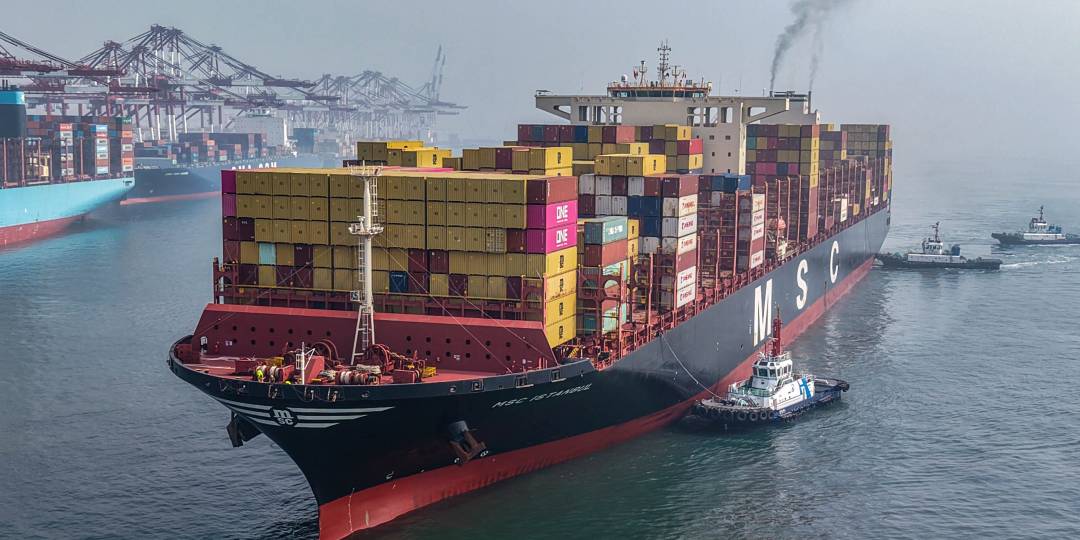
Iran’s effective closure of the Strait of Hormuz represents the most consequential economic weapon deployed since the conflict began. The waterway normally handles approximately one-fifth of global crude oil and liquefied natural gas supplies, making its control strategically decisive for energy markets worldwide.
Kpler, a maritime intelligence firm, confirmed that two COSCO container ships belonging to China attempted to traverse the strait but reversed course after Iranian warnings. Both vessels remain trapped in the Gulf, unable to proceed or retreat effectively.
Critical Shipping Routes Cut Off
The blockade creates cascading economic damage:
Oil supplies disrupted: One-fifth of global crude oil flows halted
LNG exports crippled: Qatar’s liquefied natural gas exports severely constrained
Shipping delays: Multi-week delays for container vessels
Price inflation: Immediate 4.2-5.5 percent surges in crude oil benchmark prices
Supply chain chaos: Global commerce dependent on Hormuz transit disrupted
Oil Markets React Sharply to Supply Cutoff
Oil prices surged dramatically Friday as investors abandoned hopes for rapid conflict resolution. Brent crude, the international benchmark, climbed 4.2 percent to $112.57 per barrel, while West Texas Intermediate (WTI), the U.S. benchmark, jumped 5.5 percent to $99.64.
Chevron CEO Mike Wirth warned analysts that oil prices have not yet fully absorbed the economic impact of the Hormuz blockade, suggesting further increases are probable as market assessments fully account for supply disruptions.
Market Signaling Prolonged Energy Crisis
The magnitude of price movements signals investor conviction that the conflict will persist for extended periods. Analysts note that price increases of this magnitude typically require fundamental reassessment of supply-demand dynamics, not temporary disruptions.
Global Stock Markets Plunge as Economic Outlook Darkens
Wall Street suffered dramatic losses Friday, with the S&P 500 falling 1.7 percent to close at 6,368.85, marking its fifth consecutive losing week and longest streak in four years. The Nasdaq Composite dropped 2.2 percent while the Dow Jones Industrial Average fell 1.7 percent.
European stock markets also ended lower, with Paris’s CAC 40 falling 0.9 percent, Frankfurt’s DAX dropping 1.4 percent, and London’s FTSE 100 declining slightly. Asian markets displayed mixed performance, with Tokyo lower but Hong Kong and Shanghai edging upward.
Market Disconnect from Trump Administration Messaging
Notably, investor confidence in Trump administration assurances regarding Hormuz reopening has deteriorated sharply. After Trump extended his deadline for Iran to open the strait from Friday to April 6, markets initially rallied early in the week.
However, Friday’s response to Trump’s announcement proved the inverse, with markets interpreting extended deadlines as evidence that coercive diplomacy is failing. Forex.com analyst Fawad Razaqzada noted: “Trump appears to be losing his grip on the markets. Investors no longer seem to take his statements at face value. If anything, they’re beginning to trade against them, waiting for tangible proof before reacting.”
Inflation Pressures Mount Globally as Energy Costs Surge
Spain provides a case study in how energy cost shocks propagate through economies. The Bank of Spain warned that the conflict could trigger a “significant slowdown” in economic growth while raising prospects of “financial market instability.”
Spain’s annual inflation surged to 3.3 percent in March from 2.3 percent in February, driven entirely by energy costs. Petrol and heating oil prices soared, pushing the inflation rate up by a full percentage point in a single month.
Global Economic Growth at Risk
Investment strategist Angelo Kourkafas explained: “Investors are concerned that sharply higher oil prices would have a significant impact on inflation and economic growth. There are concerns about the lingering uncertainty and broken technical levels triggering more selling.”
The challenge facing global central banks intensifies with each oil price increase. Policymakers face conflicting mandates: raising interest rates to combat inflation risks crushing economic growth, while maintaining lower rates risks spiraling price increases.
Supply Chain Disruptions Reaching Developing Economies
The economic crisis extends far beyond oil markets, impacting vulnerable supply chains and developing nations heavily dependent on global commerce.
Kenya’s port of Mombasa has 6,000-8,000 tonnes of tea valued at $24 million stuck in warehouses, unable to clear for export. George Omuga, director of the East African Tea Traders Association (EATTA), reported that approximately 65 percent of the East African tea market has been affected by the Hormuz blockade.
Food Security and Commodity Market Impacts
Ethiopia, which imports all its petroleum, has experienced severe fuel shortages. Citizens reported sleeping in cars through overnight queues at petrol stations as supply constraints tighten. The country’s complete import dependence on Gulf oil makes it acutely vulnerable to Hormuz disruptions.
Governments Implement Emergency Energy Measures
Facing economic pressure from surging energy costs, governments worldwide have begun implementing emergency measures, often contradicting long-term climate commitments.
Germany’s Chancellor Friedrich Merz announced Friday that if energy shortages continue, the country may extend the operation of coal-fired power plants beyond planned shutdown dates. Merz stated: “I am not prepared to jeopardize the core of our industry just because we have decided on phase-out plans that have become unrealistic.”
Japan announced plans to temporarily lift restrictions on coal-fired power generation, while Vietnam waived environmental levies on fuel to reduce petrol prices by over 25 percent. India lowered fuel taxes in mitigation efforts.
Climate Commitments Surrendered to Economic Pressures
The crisis reveals tensions between climate commitments and economic survival. Multiple nations are reversing green energy transition policies as energy costs spike. Egypt ordered shops and restaurants to close at 9 p.m. to reduce electricity consumption, an unprecedented economic intervention.
Energy Industry Uncertainty Dominates CERAWeek Conference
The world’s largest energy conference, CERAWeek in Houston, concluded Friday after a week of discussions dominated by Middle East conflict economics. Approximately 10,000 energy executives and experts convened to assess industry implications, but departed with more questions than answers.
Mark Brownstein, vice president of the Environmental Defense Fund, stated: “The industry is underestimating the geopolitical turmoil and geopolitical risk that’s ahead.”
Industry Consensus: Prolonged Uncertainty Ahead
Energy specialist Coralie Laurencin from S&P Global observed: “The reverberations that this will have on the economy, on people, on inflation is very worrying. I worry that we are in for a prolonged period of instability and uncertainty that has important follow-on effects.”
Conference organizer Jamey Rosenfield summarized: “We’re gathered at a momentous time of uncertainty, of chaos and instability.”
Qatar’s LNG Crisis Threatens European Supply
Qatar, the world’s second-largest liquefied natural gas exporter, faces severe infrastructure damage and operational constraints from the conflict. Even if hostilities cease, repairs could require months.
Shell CEO Wael Sawan warned that energy shortages, including gasoline and diesel, could begin affecting Europe as early as April. European natural gas prices have surged as markets anticipate reduced LNG exports from the Gulf.
Currency Markets Show Stress as Energy Crisis Deepens
Foreign exchange markets reflected broader economic stress. The euro weakened against the dollar, falling from $1.1523 to $1.1517, while the pound dropped from $1.3313 to $1.3272. The dollar strengthened against the yen, rising from 159.83 to 160.2 yen, as investors sought safe-haven currency positioning.
Safe-Haven Currency Flows Signal Risk Aversion
The pattern of currency movement reflects classic risk-off trading, where investors flee emerging market exposure for U.S. dollar safety despite American vulnerabilities. The dollar’s strength despite U.S. stock market weakness indicates capital flight seeking ultimate safe havens.
Iran Circumventing Sanctions Through Cryptocurrency
As energy and financial pressures mount, Iran has witnessed massive cryptocurrency flows, with experts indicating these digital assets facilitate sanctions evasion and provide Iranians protection against soaring inflation.
Cryptocurrency markets have become alternative financing channels for individuals hit by currency depreciation and hyperinflation, while likely facilitating Revolutionary Guards sanctions circumvention.
Aviation Sector Stabilizes But at Lower Capacity
Aviation cancellations have declined from early conflict peaks, with only 13 percent of Middle East flights cancelled Friday compared to more than 65 percent at war’s outbreak. However, this improvement masks a darker reality: airlines have substantially reduced scheduled service to the region, meaning fewer cancellations reflect fewer flights, not restored confidence.
Trump’s Failed Negotiations Signal Economic Stalemate
President Trump extended his ultimatum deadline for Iran to open the Strait of Hormuz from Friday to April 6, but the market reception signaled skepticism about diplomatic success. Trump has insisted Iran wants a deal, claims Tehran explicitly denies.
David Morrison, analyst at Trade Nation, summarized market sentiment: “The simple fact is that sentiment is likely to stay negative for as long as the Strait of Hormuz remains unsafe for shipping and controlled by Iran.”
Negotiation Impasse Deepens Market Pessimism
With no peace negotiations actively progressing and military hostilities continuing, markets have fundamentally shifted expectations. Investors now anticipate the blockade persisting for months rather than weeks, with corresponding implications for inflation, growth, and political stability globally.
Conclusion:
The Middle East conflict’s economic impact has transcended regional boundaries, triggering a global energy crisis with implications for growth, inflation, and financial stability worldwide. The effective closure of the Strait of Hormuz by Iranian blockade has created supply shocks reminiscent of the 1970s energy crisis, forcing difficult tradeoffs between climate commitments and economic survival for multiple governments. Oil prices above $112 per barrel, combined with stock market collapses and cascading supply chain disruptions, signal that markets believe the conflict will persist for extended periods without diplomatic resolution. As governments implement emergency energy measures and investors flee equity markets, the economic foundations supporting years of relative stability appear increasingly fragile. The coming weeks will reveal whether diplomatic efforts succeed in reopening critical shipping routes or whether the world enters an extended period of energy scarcity, inflation acceleration, and economic stagnation that could reshape geopolitical and economic relationships for years.