
The global space industry continues to advance rapidly as SpaceX successfully tested an experimental semiconductor manufacturing platform during its latest Starlink mission, while China expanded its orbital capabilities by launching another group of satellites aimed at strengthening its space-based communications network.
SpaceX Combines Satellite Internet Expansion with Orbital Manufacturing Tests
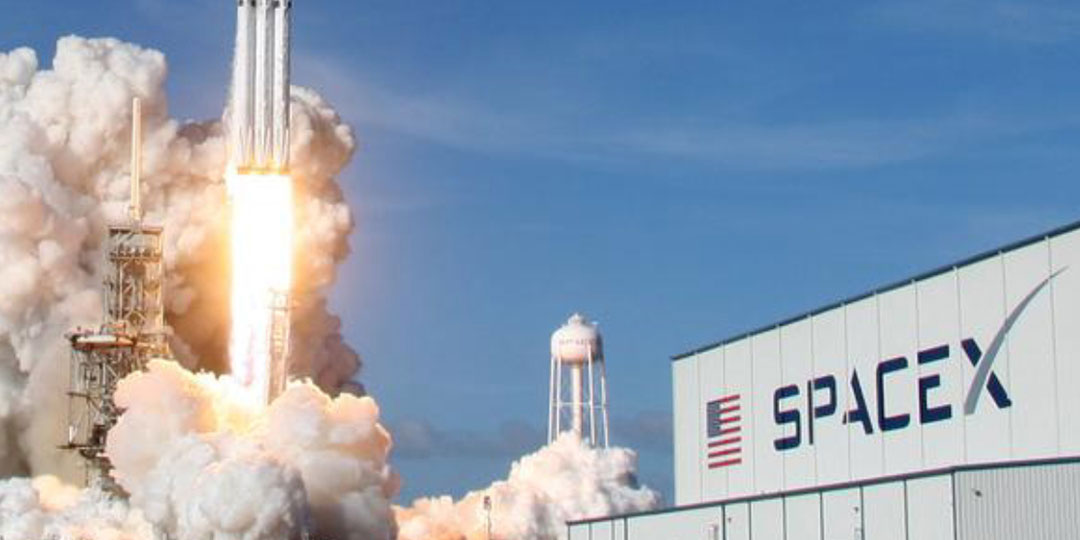
SpaceX successfully launched a Falcon 9 rocket carrying 29 new Starlink satellites to expand its global satellite internet constellation.
The mission also featured a major technological milestone by carrying experimental manufacturing platforms designed to test semiconductor and microchip production in microgravity, marking an important step toward future space-based industrial manufacturing.
Testing Next-Generation Semiconductor Production in Orbit
The experimental platforms remained attached to the rocket during its journey through space, allowing engineers to evaluate whether the unique conditions of space can produce higher-quality semiconductor materials with fewer manufacturing defects.
China Continues Expanding Its Satellite Network
Meanwhile, China successfully launched a new group of satellites from its commercial space launch site in Hainan Province, with all spacecraft entering their designated orbits as planned.
The mission followed another satellite launch conducted just one day earlier, highlighting Beijing’s continued efforts to strengthen its satellite infrastructure and expand its space-based internet capabilities.
Long-Term Strategy for Space Development
China’s consecutive launches reflect its long-term strategy of expanding national space infrastructure while increasing investment in satellite communications and advanced aerospace technologies.
Competition in the New Space Economy
The latest developments illustrate the growing international competition in the space sector, with the United States focusing on combining commercial innovation with orbital manufacturing technologies, while China continues investing heavily in satellite deployment and space communications.
Key Developments
- SpaceX launched 29 new Starlink satellites.
- First experimental semiconductor manufacturing platforms tested in space.
- China successfully launched another group of satellites into orbit.
- Continued expansion of global satellite internet infrastructure.
- Intensifying international competition in advanced space technologies.
Conclusion
The latest missions by SpaceX and China demonstrate that the global space race is entering a new phase, extending beyond satellite deployment into advanced manufacturing, commercial innovation, and next-generation space technologies that are expected to shape the future of the global space economy.