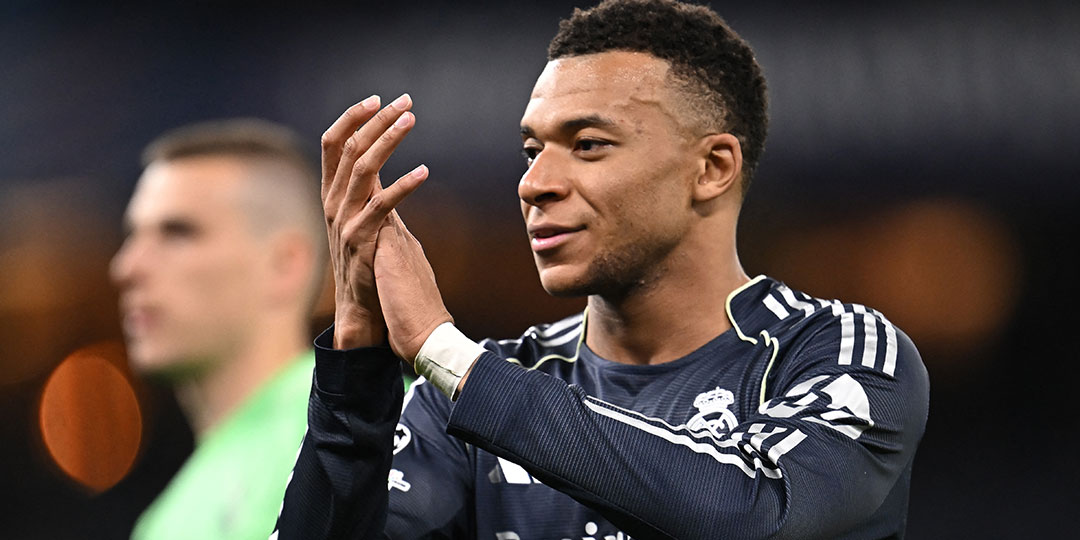

French coach Didier Deschamps has called Real Madrid forward Kylian Mbappe to lead the French national team in two friendly matches against Brazil and Colombia in the United States during the international break in March. The call comes just days after Mbappe returned to action following recovery from a left knee injury that sidelined him for several weeks.
Mbappe appeared as a substitute in Real Madrid’s 2-1 victory over Manchester City on Wednesday in the second leg of the Champions League Round of 16. The two friendly matches against Brazil (March 26) and Colombia (March 29) represent France’s final examination before Deschamps announces his final squad for the 2026 World Cup on May 13. These contests will be instrumental in determining which players earn their spots for football’s premier international tournament.
Mbappe’s Return and Selection: Tension Between Deschamps and Real Madrid
Gradual Return From Knee Injury
The 27-year-old French star has returned to competitive action after missing five consecutive matches for Real Madrid due to a left knee injury. His initial appearance following recovery was limited to a substitute appearance in the final minutes of Madrid’s Champions League victory over Manchester City on Wednesday, where the team controlled the match decisively before securing a narrow win in the second leg.
Mbappe’s gradual return reflects Real Madrid’s caution against aggravating the injury before full recovery is confirmed. However, Deschamps’ decision to call him for the demanding American trip surprised many observers, particularly those who expected the player to receive extended rest and rehabilitation away from international competition.
Conflict Between French Coach and Real Madrid
Real Madrid’s management had expressed hope that Mbappe would be excluded from the current international window (March 2026) to ensure adequate recovery time and superior physical preparation away from the pressures of international participation. Deschamps, however, viewing Mbappe as a critical element for France’s future, did not hesitate to summon the French captain regardless of his physical condition.
This clash of interests reflects the eternal tension between elite clubs and national team federations. Real Madrid desires a fully functional warrior for decisive European tournament matches, while Deschamps needs additional time to assess Mbappe’s readiness for the approaching World Cup.
Real Madrid’s Miscalculated Recovery Plan
Madrid’s management had calculated that the international break would provide Mbappe with complete rest and intensive therapeutic training sessions. However, Deschamps, facing considerable pressure to revitalize team performance and restore confidence to French supporters following inconsistent recent results, deemed his selection absolutely necessary.
The Real Madrid hierarchy likely regrets this outcome, as the demanding American journey contradicts their rehabilitation protocols. Yet Deschamps’ authority as national team coach ultimately supersedes club interests in international football regulations.
France’s Squad Details: A Strong Formation Led by Mbappe
Goalkeepers: Soffalonier Despite Lost Starting Position
Deschamps selected three goalkeepers:
Luca Shevallieri (Paris Saint-Germain): Despite losing his starting role at PSG, he retained his position in the national squad. The selection reflects Deschamps’ confidence in the goalkeeper’s experience and long-term value to the national team.
Mike Mignnan (AC Milan): An Italian-based goalkeeper competing for the primary position alongside Shevallieri.
Brice Samba (Rennes): A backup option representing one of Ligue 1’s rising young goalkeeping talents.
Defensive Line: Blending Experience With Youth
Deschamps selected seven defenders reflecting a carefully balanced mix:
Fullbacks:
Lucas Deni (Aston Villa): A reliable defensive asset on the left flank
Malo Gusto (Chelsea): Young talent emerging on the right side
Center Backs:
Luca Hernandez (Paris Saint-Germain): Dual-nationality defender combining speed with defensive balance
William Saliba (Arsenal): Rising defensive star performing confidently in the Premier League
Ibrahim Konate (Liverpool): True defensive anchor possessing extensive European experience
Pierre Kalulu (Juventus): Italian-based defender adding tactical diversity
Theo Hernandez (Al-Hilal Saudi Arabia): A controversial selection playing in the Saudi league
Midfield: Real Controlling Power in Central Areas
Deschamps selected six midfielders from Europe’s strongest competitions:
The Royal Pairing:
Eduardo Camavinga (Real Madrid): Versatile attacking midfielder with diverse technical capabilities
Aurelian Tchouameni (Real Madrid): Defensive engine powering the Spanish club
Additional Options:
N’Golo Kante (Fenerbahce Turkey): Defensive warrior providing shield-like protection
Manu Kone (Roma): New element potentially strengthening midfield balance
Adrian Rabiot (AC Milan): Complete player with deep European experience
Warren Zaire-Emery (Paris Saint-Germain): Attacking talent emerging from PSG’s academy system
Attack: Multiple Offensive Options and Tactical Flexibility
Deschamps offered nine attacking options reflecting France’s exceptional offensive depth:
Primary Strikers:
Kylian Mbappe (Real Madrid): Captain and offensive foundation
Hugo Ekitike (Liverpool): Rising star possessing explosive pace
Randal Kolo Muani (Tottenham): Powerful backup striker option
Wingers:
Ousmane Dembele (Paris Saint-Germain): Wide player with enhanced defensive contributions
Desiree Duyeh (Paris Saint-Germain): Rapid and explosive winger
Ryan Cherki (Manchester City): Emerging star representing next-generation talent
Additional Options:
Magnus Akliosh (Monaco): Backup striker from Deschamps’ own academy
Michael Olise (Bayern Munich): German-descent player representing France internationally
Marcus Thuram (Inter Milan): Rising talent promising France’s long-term offensive future
Context: The Friendly Matches and World Cup Preparation
France Tests Itself Against South American Powers
The two friendly matches against Brazil (March 26 in Foxborough, Massachusetts) and Colombia (March 29 near Washington) represent a genuine examination of French national team strength. Brazil and Colombia rank among the world’s most formidable national teams, making these contests invaluable opportunities for Deschamps to measure team readiness.
Selecting United States venues was no accident. The 2026 World Cup will be hosted in America, Canada, and Mexico, meaning France will familiarize itself with local conditions and atmospheres through this exploratory journey. Understanding American stadiums, climate, and playing surfaces provides tactical advantages later in tournament competition.
Final Examination Before Official Squad Announcement
These two matches represent the coach’s last opportunity before announcing the final squad for the 2026 World Cup on May 13. Numerous players remain competing for remaining spots, making these matches critical for Deschamps’ ultimate selection decisions.
Deschamps will monitor Mbappe’s performance with particular attention, determining whether his recovery from injury permits sufficient leadership and attacking prowess for France’s World Cup campaign.
World Cup Group Stage: France Leading the Ninth Group
France competes in Group Nine alongside Senegal, Norway, and a yet-undetermined playoff winner. As defending runner-up from 2022 World Cup (losing to Argentina in the final), France enters as tournament favorite. The squad selection reflects ambitions to defend France’s status as a global football power and potentially claim the trophy for an unprecedented third consecutive World Cup appearance.
Tactical Observations: What Does Deschamps Want From This Team?
Emphasis on Aggressive Attacking Football
The squad’s abundance of forwards and wingers reflects Deschamps’ attacking philosophy. Rather than prioritizing defensive solidity, Deschamps wants a team capable of rapid goal-scoring efficiency, particularly against powerful opponents like Brazil.
Mbappe, with his explosive pace and penetrative abilities, represents the tactical cornerstone for this strategy. His recall despite recent injury signals Deschamps’ conviction that French attacking success depends fundamentally on his participation.
Balancing Veteran Experience With Emerging Talent
Deschamps’ selections maintain equilibrium between veteran players possessing deep experience (such as Kante and Shevallieri) and rising young talents (including Gusto and Olise). This reflects long-term vision to build a team capable of competing not only in 2026 but beyond that tournament as well.
Surprising Selection Choices
Selecting Theo Hernandez from Saudi Arabian club Al-Hilal raises eyebrows, as players from Saudi leagues rarely earn invitations to elite European national teams. Yet Deschamps may view him as a contingency backup or an experiment in how players from different competition levels integrate with elite national team football.
Shevallieri’s selection despite his diminished role at PSG reflects Deschamps’ belief in the goalkeeper’s long-term capabilities while seemingly disregarding current inconsistent performance.
Impacts and Expectations
Doubled Pressure on Mbappe: Body and Mind
Mbappe faces compounded pressures: physical recovery from injury combined with immediate recall for demanding friendly matches. The American journey is inherently taxing, featuring time zone changes, extended travel, and consecutive match demands.
Deschamps gambles that Mbappe’s leadership personality permits handling these accumulated stressors. Yet genuine risk exists that additional pressure could negatively affect complete recovery from injury and leave lasting physical consequences.
Deschamps’ Message to Team and Supporters
Mbappe’s selection despite his recent injury carries clear messaging: France returns with strength. Deschamps seeks to demonstrate to the global football community that the French national team, notwithstanding its 2022 World Cup final defeat, still possesses football’s finest talents and strongest leadership.
Friendly Match Expectations
Both matches will serve as genuine examinations. Brazil represents traditional offensive power with world-class strikers, while Colombia offers a balanced, difficult opposition. If France can secure victories or at least positive results, it sends powerful messages before the World Cup.
Conclusion:
Kylian Mbappe’s return to lead the French national team following his injury reflects Didier Deschamps’ absolute confidence in his star player. Despite potential health risks from selection during this recovery period, Deschamps views Mbappe as indispensable to French football’s future.
The two friendly matches against Brazil and Colombia will serve as genuine examinations of France’s readiness before the 2026 World Cup. If Mbappe returns safely from this American journey and demonstrates his capacity for leadership and attacking prowess, France enters the World Cup with elevated confidence. However, if his injury deteriorates or recovery proves insufficient, France may ultimately regret this hasty recall of its captain.
Time will reveal whether Deschamps’ decision constitutes wise strategy or a tactical error that could impact France’s World Cup trajectory in the approaching tournament.