
Lebanon has estimated the cost of war damage at approximately $20 billion, according to Finance Minister Yassine Jaber, who also projected an economic contraction between 7 percent and 10 percent this year. Meanwhile, Japan is considering a supplementary budget worth around $19 billion to mitigate the economic fallout of instability in the Middle East.
The figures underscore the regional and global economic impact of ongoing conflict.
Lebanon war damage estimate reaches $20 billion
Lebanese Finance Minister Yassine Jaber stated that total Lebanon war damage estimate stands at roughly $20 billion.
According to Reuters, Jaber confirmed that the destruction has affected multiple sectors across the country.
The damage includes public infrastructure, ports, commercial facilities, and private properties.
Key sectors affected
The war damage estimate includes losses in:
Transportation and road networks
Ports and essential infrastructure
Commercial institutions and small businesses
Residential properties
Economic contraction expected between 7% and 10%
Jaber projected that Lebanon’s economy may shrink by 7 percent to 10 percent this year due to the war.
This contraction would further strain public finances, reduce investment flows, and increase unemployment levels.
Lebanon has already been grappling with a prolonged financial crisis since 2019.
Impact of contraction on households
The economic decline may lead to:
Reduced purchasing power
Rising poverty levels
Increased pressure on public services
Delayed recovery efforts
Japan considers $19 billion supplementary budget
Japanese media reported that Tokyo is studying a supplementary budget of approximately 3 trillion yen, equivalent to nearly $19 billion.
The measure aims to counter the economic consequences of the Middle East crisis, particularly rising energy prices and inflation.
Prime Minister Sanae Takaichi has instructed relevant ministries to prepare additional economic support options.
Objectives of Japan’s emergency budget
The supplementary budget seeks to:
Cushion households from rising electricity and gas bills
Offset energy price volatility
Contain inflationary pressure
Maintain economic growth stability
Energy subsidies and fiscal measures
Reports indicate that roughly 500 billion yen would be allocated to extend energy subsidies beginning in July.
These subsidies are designed to ease the burden on households and small businesses facing increased import costs.
The government plans to finance the package partly through new bond issuance.
Funding mechanisms
Japan may rely on:
Government bond issuance
Improved tax revenues
Flexible fiscal management
Short-term deficit expansion
Inflationary concerns and currency pressure
Economists have warned that continued fiscal expansion combined with gradual interest rate adjustments by the Bank of Japan could intensify inflation.
The weakening yen and elevated import costs have pushed government bond yields to multi-decade highs.
This presents a balancing challenge between economic stimulus and price stability.
Pressures on the Japanese economy
Key pressure factors include:
Depreciation of the yen
Higher energy import costs
Rising global commodity prices
Increased borrowing costs
Export performance offers partial relief
Data from Japan’s Finance Ministry showed exports rising 14.8 percent year-on-year in April, exceeding expectations.
Exports to the United States increased by 9.5 percent, while shipments to China rose 15.5 percent.
The country recorded a trade surplus of 301.9 billion yen, helping offset energy-related costs.
Oil import decline
Japan’s crude oil imports fell by 64 percent in volume compared to the previous year, the largest drop since 1980.
Import values decreased by nearly 50 percent, reflecting disruptions linked to Middle East tensions.
Tokyo has sought to diversify supply sources, including increasing imports from the United States.
Strategic reserves and supply chain stability
Despite geopolitical tensions, Japan’s large oil reserves have helped stabilize domestic production.
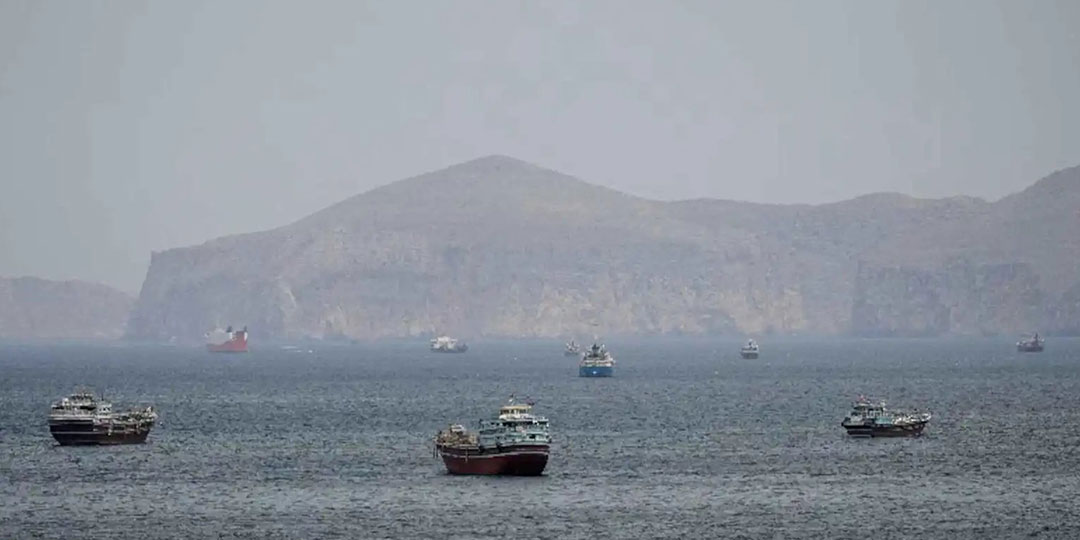
However, analysts caution that prolonged instability could disrupt supply routes such as the Strait of Hormuz.
Energy-intensive industries remain particularly vulnerable.
Vulnerable sectors
Industries most exposed include:
Chemical manufacturing
Heavy industry
Transportation and logistics
Energy utilities
Global implications of regional conflict
The Lebanon war damage estimate and Japan’s fiscal response illustrate the interconnected nature of modern economies.
Conflicts in the Middle East reverberate across global energy markets, supply chains, and financial systems.
Governments are increasingly adopting preemptive fiscal and monetary measures to mitigate spillover risks.
Conclusion:
Lebanon’s $20 billion war damage estimate highlights the severe economic toll of ongoing conflict, with contraction expected to deepen existing financial strain. At the same time, Japan’s proposed $19 billion supplementary budget demonstrates how Middle East instability can influence economies far beyond the region. The developments underscore the importance of coordinated economic policies to maintain stability amid geopolitical uncertainty.