
The Lebanon ceasefire agreed in November 2024 was intended to end more than a year of fighting between Hezbollah and Israel. However, residents in southern Lebanon say Israeli strikes have continued despite the truce, leaving homes destroyed and families displaced.
At the same time, Beirut has announced tax increases to finance higher public sector wages, a move that has sparked protests in the capital and criticism from unions.
The developments reflect the continuing political, security and economic pressures facing Lebanon as it recovers from conflict and a prolonged financial crisis.
Lebanon Ceasefire Tested by Continued Israeli Strikes in the South
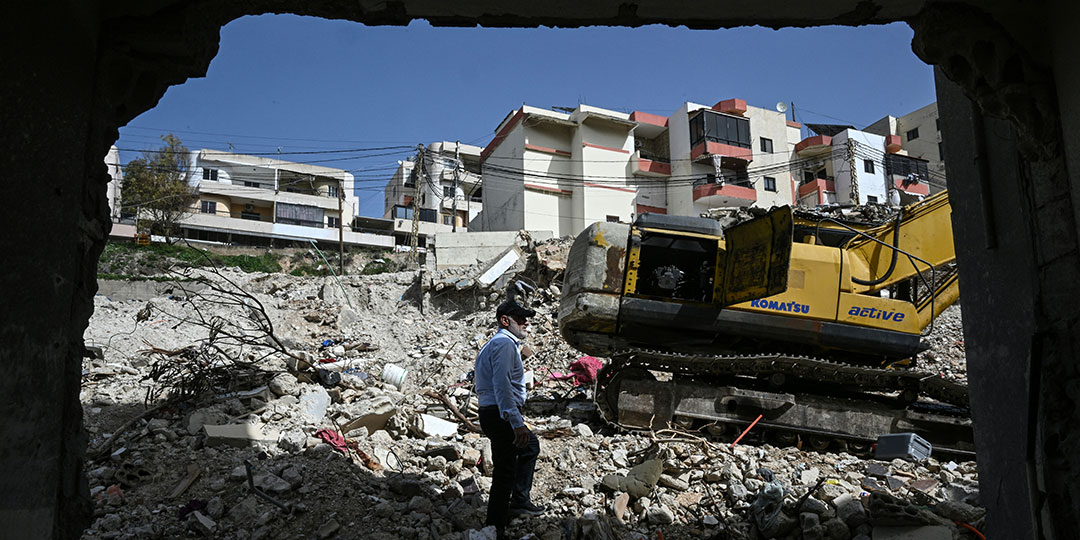
In the village of Qannarit, about 30 kilometres from the Israeli border and overlooking Sidon, residents say Israeli attacks have not stopped despite the Lebanon ceasefire.
Ali al-Dorr, a 62-year-old school bus driver, said his son’s apartment was destroyed in an Israeli strike on January 21 after the Israeli army issued a warning of an impending attack. His son and family evacuated before the building was hit.
“I pass by here every day to drop off students,” he told AFP. “I turn my head so I do not feel the heartbreak. At least the family got out alive.”
According to an AFP tally based on Lebanese health ministry figures, more than 370 people have been killed in Israeli strikes since the ceasefire took effect. Israel says it targets Hezbollah positions and accuses the Iran-backed group of violating the truce.
Images of Hezbollah members killed during the conflict and the group’s yellow flag remain visible at the entrance to Qannarit, which was repeatedly struck during hostilities that began around the start of the Gaza war.
Key reported impacts in Qannarit
26 homes destroyed in two Israeli strikes on January 21
• Around 350 homes damaged, according to Deputy Mayor Ibrahim Hamdan
• 19 people wounded, according to the health ministry
• A bulldozer clearing debris later hit by an Israeli drone, wounding one person
Residents also report frequent Israeli drone flights over southern towns, adding to fears among civilians. A video circulating on social media, reportedly from Kfar Kila near the border, showed a drone hovering over people visiting graves. AFP noted the video was purportedly from the area.
Ahmad al-Awdali, 49, whose home was destroyed after the ceasefire, said the truce had brought little change on the ground. “Our home was not hit during the war, it was hit now,” he said. His 10-year-old son has struggled to sleep since witnessing a nearby drone strike.
“If there was really a truce, this would not have happened,” he added.
The Lebanese government has committed to disarming Hezbollah in the south, with the army expected to take steps in the coming months in areas including Qannarit. Israel has described the Lebanese army’s efforts as insufficient and continues to maintain troops in five areas along the southern border it considers strategic.
Reconstruction in many border towns has yet to begin, and Qannarit municipality says it is hosting 55 families displaced from frontline villages.
Lebanon Tax Hike Sparks Protest Amid Wage Increase Plan
As security concerns persist, Lebanon’s government is also grappling with economic pressures. On Monday, the cabinet approved a decision to raise taxes in order to finance a significant increase in public sector wages and pensions.
Finance Minister Yassin Jaber said the wage increase would cost the state approximately $620 million. He said the tax measures were necessary to preserve financial balance and avoid further crisis.
The measures include:
Raising value-added tax from 11 percent to 12 percent
• Adding 300,000 Lebanese pounds per 20-litre can of gasoline
Lebanon has around 320,000 public sector employees, including 120,000 security personnel, according to Jaber. Their salaries have sharply declined in value since the financial crisis began in 2019 and the Lebanese pound lost much of its purchasing power.
Under the new plan, wages would rise to about 28 percent of their pre-2019 value, according to Walid Geagea, head of the Public Sector Employees Association. However, he criticized the government’s approach, saying the tax increases would offset the gains from higher pay.
Energy Minister Joe Saddi said he had objected to approving tax increases at this stage.
Transport sector unions also rejected the move. Bassam Tlais, head of Federations and Unions of the Land Transport Sector, said while wage improvements were supported, the additional burden on citizens and the transport sector was unacceptable.
Taxi drivers briefly blocked a road in central Beirut in protest on Tuesday.
Senior financial adviser Michel Kozah told AFP that the cabinet’s decision could create inflation and force the central bank to increase the money supply.
Conclusion:
The Lebanon ceasefire remains fragile as Israeli strikes continue in parts of the south and residents report ongoing insecurity. At the same time, the government faces mounting economic challenges, balancing wage demands with fiscal stability.
Together, the security and economic developments underscore the complex situation confronting Lebanon as it navigates post-war tensions and a deep financial crisis.