Ramadan in Gaza has begun under the shadow of destruction and displacement, marking the first holy month since the October ceasefire halted more than two years of war. Across Gaza City and the southern areas of the Strip, families observed the start of the fasting month amid widespread devastation and continued hardship.
At the same time, Israel announced it would allow 10,000 Palestinian worshippers to attend weekly Friday prayers at Al-Aqsa Mosque in occupied East Jerusalem during Ramadan, with strict age and permit conditions.
The developments reflect a fragile calm in Gaza and continued tensions surrounding access to Islamic holy sites in Jerusalem.
Ramadan in Gaza Amid Rubble and Displacement
In Gaza City, small Ramadan lanterns and decorative lights were hung between damaged buildings and piles of rubble, offering residents a brief sense of normalcy. At the historic Omari Mosque, dozens of worshippers performed the first dawn prayer of Ramadan, wearing heavy coats against the winter cold.
“Despite the occupation, the destruction of mosques and schools, and the demolition of our homes, we came despite these harsh conditions,” Abu Adam, a Gaza City resident, told AFP. He added that even after reported shelling in eastern Gaza City the previous night, residents remained determined to attend prayers.
A security source in Gaza told AFP that Israeli artillery shelling targeted eastern areas of Gaza City on Wednesday morning, as well as a refugee camp in central Gaza. Israel restricts access for international journalists to the Gaza Strip, preventing AFP and other media organizations from independently verifying casualty figures.
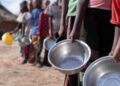
According to the United Nations and humanitarian organizations, shortages of food and basic goods continue despite the ceasefire. With crossings under Israeli control, limited supplies entering the Strip have kept prices high and left many families dependent on aid.
Key realities facing residents during Ramadan in Gaza include:
Continued displacement, with tens of thousands living in tents or makeshift shelters
• Severe economic hardship and high food prices
• Damage to homes, mosques, and public infrastructure
• Ongoing security incidents despite the ceasefire
Nivin Ahmed, 50, who lives in a tent in the Al-Mawasi area in southern Gaza, described the beginning of Ramadan as emotionally complex. “The joy is stifled. We miss those who were killed, those still missing, detained, or who have left,” she told AFP.
She said that before the war, Ramadan meals brought extended families together. “Today, I can barely prepare a main dish and a side dish. Everything is expensive. I cannot invite anyone for iftar or suhoor.”
Nearly all of Gaza’s 2.2 million residents were displaced at least once during the war that followed the October 7 attack by Hamas on Israel. Many remain unable to return to their homes due to destruction.
Community Resilience and Limited Joy
Despite the destruction, some residents sought to preserve Ramadan traditions. Maha Fathi, 37, displaced from Gaza City and now living in a tent west of the city, said the holy month still carries spiritual meaning.
“Despite all the destruction and suffering in Gaza, Ramadan is still special,” she told AFP, noting that families and neighbors shared simple meals and decorations to recreate a sense of community.
On the beach in Deir el-Balah, Palestinian artist Yazeed Abu Jarad sculpted “Welcome Ramadan” in Arabic calligraphy in the sand, drawing children from nearby tent camps.
For families like that of Mohammed al-Madhoun, 43, Ramadan remains marked by uncertainty. “I hope this is the last Ramadan we spend in tents,” he said, describing his children’s wish for lanterns and a full iftar table.
Israeli Restrictions on Al-Aqsa During Ramadan
As Ramadan in Gaza unfolds, attention has also turned to Jerusalem. Israel announced that 10,000 Palestinian worshippers would be permitted to attend Friday prayers at Al-Aqsa Mosque each week during the holy month.
The Coordinator of Government Activities in the Territories, or COGAT, said entry would require a special daily permit. Access would be limited to:
Men aged 55 and older
• Women aged 50 and older
• Children up to 12 accompanied by a first-degree relative
Al-Aqsa Mosque is located in occupied East Jerusalem, which Israel captured in 1967 and later annexed in a move not recognized by the international community. During Ramadan, hundreds of thousands of Palestinians traditionally pray at the site, considered Islam’s third holiest sanctuary.
The Palestinian Jerusalem Governorate stated that Israeli authorities had prevented the Islamic Waqf, which administers the compound under Jordanian custodianship, from carrying out routine Ramadan preparations such as installing shade structures and temporary medical facilities.
Sheikh Muhammad al-Abbasi, a senior imam at Al-Aqsa Mosque, told AFP that he had been barred from entering the compound for a week without explanation.
Under longstanding arrangements, Jews may visit the compound but are not permitted to pray there. Israeli authorities say they are committed to maintaining this status quo. Palestinians have expressed concern that changes on the ground could alter the historic arrangement.
Conclusion:
Ramadan in Gaza this year reflects both resilience and ongoing hardship. While the ceasefire has reduced large-scale fighting, destruction, displacement, and restrictions continue to shape daily life in Gaza and Jerusalem during Islam’s holiest month.