
Lebanese Prime Minister Nawaf Salam said on Saturday that Israeli escalation since dawn was extremely dangerous and was undermining efforts to restore stability in Lebanon, as tensions continue to rise in the south.
In remarks to reporters, Salam said those killed in the Israeli strike on the Ansar district were not military infrastructure, stressing that children and women are not military targets and that any military structures are solely the responsibility of the state.
Salam rejects attacks on civilians
The Lebanese prime minister said the strike on the Ansar area could not be justified under any pretext because the victims were civilians, including women and children.
He added that any issue involving military structures must be dealt with through state institutions, not through Israeli strikes inside Lebanese territory.
Hezbollah calls for an end to the attacks
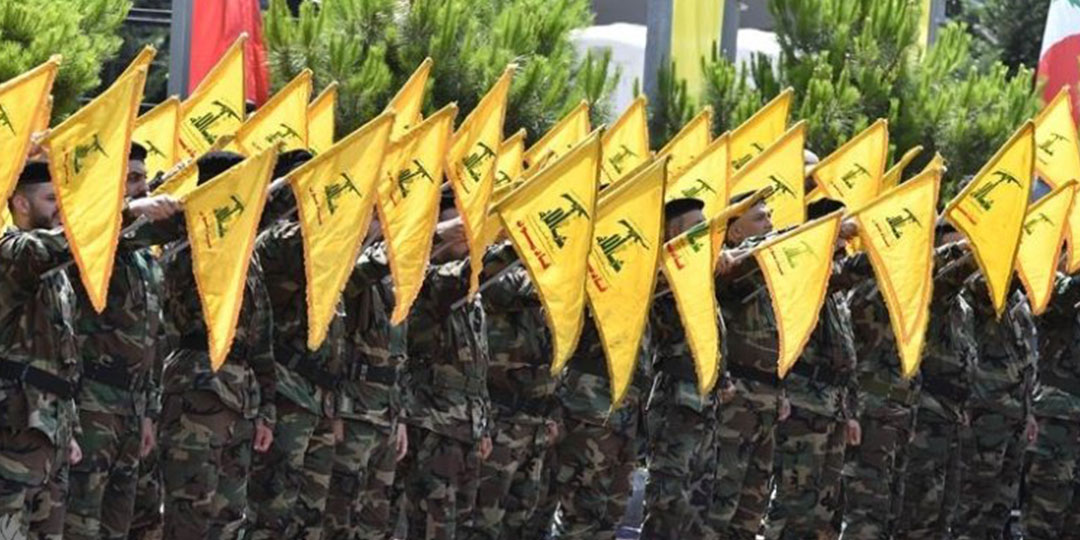
Hezbollah, meanwhile, urged the Lebanese authorities to look for available ways to stop the Israeli attacks and to stop insisting on direct negotiations.
In a statement, the group said Lebanese people woke up to what it called a brutal assault and massacre in the south, after an Israeli strike targeted a house on the outskirts of Ansar and a building in Deir al-Zahrani, killing 11 people and wounding 12 others.
Netanyahu accused of widening the war
Hezbollah said the Israeli escalation, by targeting civilians and expanding the list of attacked areas, reflected Prime Minister Benjamin Netanyahu’s desire to intensify the war for domestic political reasons, election gains and to satisfy the far right, according to the statement.
It added that the Israeli government and the United States bear responsibility for continuing the attacks and violating Lebanon’s sovereignty.
Call to reconsider policy
Hezbollah urged Lebanese authorities to reassess their position in a way that protects Lebanon’s sovereignty and rights, and to stop continuing with talks it said were being pushed by the US.
The group also called on Lebanese citizens from all backgrounds to recognise the dangers of the current approach to Lebanon’s unity, security and independence.
Warning to Israel
In closing, Hezbollah warned Israel that its attacks and attempts to impose a new reality “cannot continue” and would be met with what it considers appropriate in defence of Lebanon, its people, sovereignty and national dignity.
Conclusion:
The latest Israeli escalation in southern Lebanon reflects continued military and political pressure on Beirut, while the Lebanese prime minister insists on protecting stability and rejecting strikes on civilians. Hezbollah, for its part, is pressing for an end to the attacks and rejecting direct negotiations, keeping the situation highly tense.