
Israeli special forces conducted a raid on the town of al-Nabi Shiet in eastern Lebanon on Saturday, involving intense airstrikes and ground troop insertions. The operation resulted in 41 deaths and 40 injuries, but failed to achieve its stated objective of locating remains of Israeli pilot Ron Arad, missing since 1986.
The operation marks a significant escalation in the broader military campaign targeting Lebanon. Since Monday, continuous Israeli airstrikes across southern Lebanon, the eastern Bekaa Valley, and southern Beirut suburbs have killed approximately 300 people, according to Lebanese Health Ministry figures updated Saturday.
Al-Nabi Shiet serves as a major Hezbollah stronghold in the Bekaa region, strategically positioned near the Syrian border. The Israeli operation specifically targeted a cemetery in the town believed to contain information related to pilot Arad’s fate.
Operation Details and Execution
Hezbollah confirmed that its operatives detected four Israeli Defense Force helicopters infiltrating from Syrian territory at 10:30 p.m. Friday. Direct confrontation erupted immediately after the Israeli force was discovered. Israel launched approximately 40 concentrated airstrikes to cover the withdrawal of its ground units from the engagement zone.
Israeli warplanes and helicopters provided intensive air cover during the extraction. Hezbollah fighters fired missiles during this phase of the operation, according to statements from the organization.
Casualty Toll and Destruction
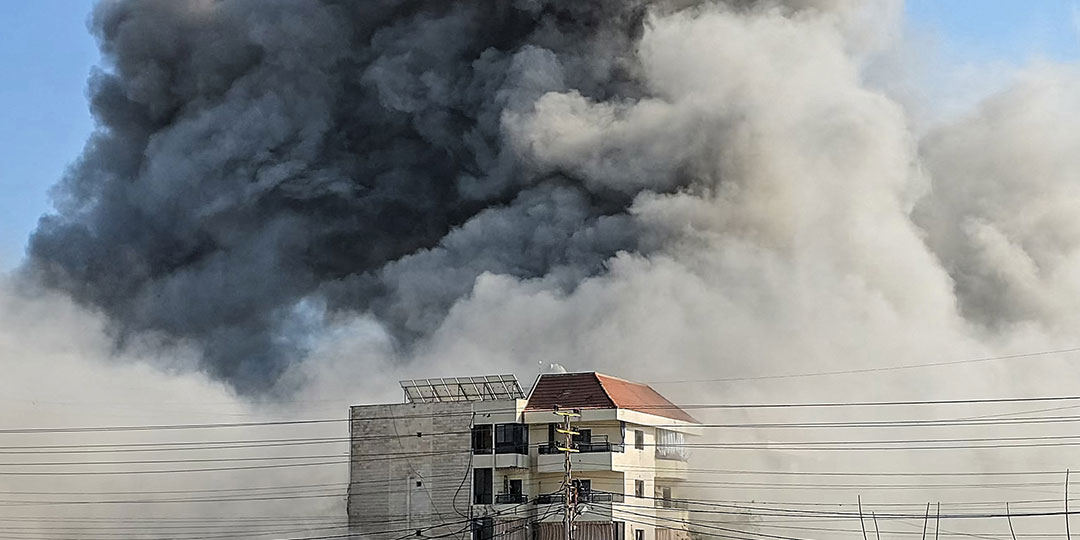
The airstrikes on al-Nabi Shiet and surrounding villages killed 41 people and injured 40 others, according to the Lebanese Health Ministry. The Lebanese Army announced the death of three soldiers who fell during the intense bombardment and subsequent firefights with Israeli forces.
Israeli warnings issued hours before the attack prompted residents to prepare and evacuate, yet the damage to the town’s infrastructure remained severe. Journalists from Agence France-Presse (AFP) documented deep craters in the town square, collapsed building structures, and destroyed vehicles including ambulances. One red car lay overturned on the second floor of a partially destroyed building.
The Ron Arad Search
The Israeli Defense Force issued a formal statement confirming that “special forces operated last night in an attempt to locate evidence related to missing pilot Ron Arad.” However, the military acknowledged that “no evidence related to him was found at the search location.”
Arad disappeared after his aircraft was shot down over Lebanon in 1986. Locating his remains remains a matter of extreme sensitivity for Israel, which has pursued leads for decades and included information about Arad in previous prisoner exchange negotiations with Hezbollah years ago.
The search focused specifically on a cemetery in the town belonging to the Shaker family. Last month, Lebanese authorities charged four individuals with communicating with Israel’s Mossad and kidnapping a retired Lebanese officer from the Shaker family, amid suspicions that a relative was involved in Arad’s capture.
Official Reactions and Statements
Hezbollah’s Position
Hezbollah stated that its fighters engaged Israeli forces in direct close-range combat and fired missiles during the withdrawal phase. The organization characterized the operation as a failed attempt to gather intelligence on Hezbollah’s infrastructure and personnel.
Lebanese Government Response
The Lebanese Army confirmed that Israel executed a “landing of hostile forces” and announced that its soldiers fell as a result of “intense enemy bombardment.” Al-Nabi Shiet’s municipal president Hani al-Moussawi told AFP that Israel conducted “indiscriminate bombing” to cover its forces’ withdrawal, stating that the operation “cost us destruction of infrastructure and the blood of our people, which is more precious than anything.”
He added: “As long as Israel exists, we will continue to resist it.”
Israeli Military Statement
The Israeli Defense Force denied sustaining casualties during the operation and pledged to continue searching for Arad “from a deep commitment to bringing all our fallen and missing soldiers home.”
Arad’s wife expressed gratitude to the military but called for avoiding “endangering soldiers’ lives” in the search for her husband’s remains, according to Israeli media reports.
Broader Regional Escalation Context
Lebanon Theater Expansion
The Middle Eastern conflict expanded into Lebanese territory following a U.S.-Israeli attack on Tehran that killed Iran’s Supreme Leader Ali Khamenei. Hezbollah launched missiles at Israel in response, framing the action as retaliation for Khamenei’s death.
Israel responded with a broad campaign of airstrikes targeting Hezbollah strongholds across southern Lebanon, eastern regions, and the southern Beirut suburbs. Israeli ground forces penetrated southern Lebanese territory, announcing intentions to establish a buffer zone to protect northern Israeli settlements from Hezbollah attacks.
Cumulative Toll
Israeli airstrikes since Monday have killed approximately 300 people and wounded 1,023 others across Lebanon, according to updated figures from the Lebanese Health Ministry released Saturday. The strikes have targeted multiple locations across southern and eastern Lebanon as well as southern Beirut.
Conclusion:
The al-Nabi Shiet operation reflects the intensity of ground conflict between Israel and Hezbollah and underscores Israel’s ongoing efforts to locate missing military personnel from previous conflicts. Yet the civilian death toll raises critical questions about the cost borne by civilians in armed confrontation, particularly as the region experiences unprecedented escalation in Lebanon’s ongoing crisis.