Israel’s military announced Monday that it launched a “wide-scale wave” of strikes targeting infrastructure in the Iranian capital Tehran, escalating military operations into the fourth week of the Middle East conflict. Simultaneously, the head of the International Energy Agency warned that at least forty energy assets across nine countries have been “severely or very severely” damaged, and cautioned that the global economy faces a “major threat” from ongoing energy disruptions caused by the conflict. The convergence of expanding Israeli military operations and escalating energy infrastructure damage illustrates the deepening crisis threatening global economic stability as the war shows no signs of approaching resolution.
The widening scope of military strikes combined with unprecedented scale of energy infrastructure damage creates compounding economic consequences that extend far beyond regional conflict impacts to threaten global energy supplies and economic growth.
Israel Announces Wide-Scale Wave of Strikes on Tehran
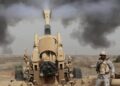
Israel’s military posted on Telegram that it “has begun a wide-scale wave of strikes targeting Iranian terror regime infrastructure in Tehran,” representing continued escalation of Israeli military operations against Iranian targets in the capital city. The announcement indicates Israel is expanding operations beyond previous patterns of targeted strikes to coordinated waves of multiple simultaneous attacks on distributed infrastructure targets.
The characterization of the operation as a “wide-scale wave” suggests coordination of multiple strike packages against dispersed targets rather than concentration on single high-value objectives, indicating strategy to maximize cumulative damage across Iranian infrastructure.
Escalation Pattern and Strategic Intent
The shift from individual strikes to “wide-scale waves” represents escalation in both scale and coordination of Israeli military operations. The strategy appears designed to overwhelm Iranian air defense systems through volume attacks while degrading broader infrastructure networks rather than focusing on precision targeting of individual high-value assets.
International Energy Agency Assesses Damage Across Region
International Energy Agency chief Fatih Birol stated Monday that at least forty energy assets across nine countries in the Middle East region have sustained “severe or very severe” damage from the ongoing conflict. The assessment from the global energy authority reflects comprehensive review of infrastructure damage across the affected region including Iran, Qatar, United Arab Emirates, Saudi Arabia, Kuwait and other regional energy producers.
The damage assessment encompasses both direct strikes on production facilities and pipeline infrastructure as well as broader impacts on energy transportation and distribution networks created by Strait of Hormuz closure.
Scale of Infrastructure Damage
The assessment of forty severely damaged energy assets represents unprecedented scale of infrastructure destruction in a regional conflict in the modern era. The distribution of damage across nine countries indicates that the conflict’s energy impact extends far beyond the direct combatants to affect all regional energy producers and transporters.
Global Economy Under Major Threat from Energy Crisis
Birol characterized the global economic threat from the energy crisis as reaching levels unseen since the 1970s oil crisis and the 2022 Russian invasion of Ukraine. Speaking at the National Press Club in Sydney, Birol stated: “This crisis as things stand is now two oil crises and one gas crash put all together.”
Birol warned that “no country will be immune to the effects of this crisis if it continues to go in this direction,” indicating that the energy disruptions will create global economic impacts regardless of whether nations are directly involved in the conflict.
Comparative Crisis Analysis
Birol’s comparison of the current crisis to the combined impact of the 1970s oil embargo and the 2022 Ukraine-related energy disruptions highlights the severity of the current situation. The combination of simultaneous oil supply disruption and natural gas supply crisis exceeds previous individual crises in total impact scope.
Oil Prices Rise Near $100 Per Barrel
US benchmark crude oil briefly touched the $100-per-barrel mark early Monday as markets continued pricing in sustained energy supply disruptions from the conflict. The pricing reflects market assessment that energy supply disruptions will persist for weeks or months rather than resolving in the near term.
Market Expectations for Extended Disruption
The price levels near $100 per barrel indicate market expectation that Strait of Hormuz closure will persist for extended periods, maintaining premium pricing to compensate for supply scarcity and transportation risk. The sustained elevated pricing suggests that markets view near-term resolution as unlikely.
CERAWeek Houston Conference Addresses Energy Crisis
The energy industry’s annual CERAWeek conference in Houston will convene more than 10,000 attendees Monday to address the unprecedented energy crisis created by the Middle East conflict. Daniel Yergin, vice chairman of S&P Global and conference chair, stated: “We’re looking at the biggest disruption in world oil in history. Nothing like this at this scale has occurred before.”
The timing of the conference takes on unexpected significance as energy industry leaders, government officials, and financial analysts converge to assess crisis impacts and develop response strategies.
Industry Response to Crisis
The gathering of energy industry leaders, major oil company executives, and government officials at CERAWeek reflects recognition that the energy crisis requires coordinated response across industry and government sectors. The conference provides platform for development of strategic responses to unprecedented supply disruptions.
Major Industry Leaders Attending CERAWeek
Conference attendees include executives from major energy companies including Chevron chief Mike Wirth, TotalEnergies chief Patrick Pouyanne, Shell chief Wael Sawan, Saudi Aramco’s Amin Nasser, and Cheniere Energy boss Jack Fusco. The participation of major energy company leadership indicates the conference’s importance in shaping industry response to the crisis.
US Energy Secretary Chris Wright will address the conference Monday morning, providing direct access to the Trump administration’s perspective on energy crisis response and policy directions.
Government-Industry Coordination
The presence of US Energy Secretary Chris Wright at the conference indicates direct engagement of the Trump administration in coordinated response to the energy crisis. The administration’s energy policies and strategic direction will likely emerge from discussions at the conference.
Venezuela’s Energy Future as Conference Topic
Nobel Peace Prize laureate and Venezuelan opposition leader Maria Corina Machado will speak Tuesday evening on “the Future of Venezuela,” addressing the potential revival of Venezuela’s energy sector following the seizure of president Nicolas Maduro. Machado posted on X: “I’m thrilled to show the world what a new Venezuela will achieve by unleashing our limitless energy potential.”
The inclusion of Venezuelan energy potential in the conference agenda reflects recognition that expanded Venezuelan oil production could provide partial offset to Middle East supply disruptions.
Venezuelan Oil as Strategic Alternative
Venezuela’s possession of the world’s largest proven oil reserves creates strategic significance for global energy security if political changes enable resumed oil production and international investment. The seizure of Maduro and sanctions relief under the Trump administration create new possibilities for international investment in Venezuelan energy sector.
Trump Administration Energy Policy Focus
Much of CERAWeek attention will focus on the Trump administration’s reorientation of US energy policy toward fossil fuel expansion and away from Biden-era climate mitigation policies. Trump has embraced expansion of coal, oil, and natural gas production while dismantling renewable energy and electric vehicle policies.
The Trump administration’s energy policies during the current energy crisis will likely shape industry expectations for long-term energy investment and infrastructure development.
Climate Policy Reversal and Industry Implications
The Trump administration’s dismantling of renewable energy and electric vehicle policies during a period of elevated energy prices and supply disruptions will likely reinforce fossil fuel industry investment decisions. Environmental groups plan protests at CERAWeek to oppose the policy reversals.
Humanitarian and Economic Consequences of Energy Crisis
The global energy crisis threatens to create economic disruption affecting employment, inflation, and economic growth across all nations dependent on Middle East energy supplies. The IEA chief’s warning that “no country will be immune” reflects assessment that energy price impacts will reach all economies regardless of geographic location.
Military Spokesman Signals Extended Conflict Duration
Israeli military spokesman Brigadier General Effie Defrin stated Sunday that Israel faces “more weeks of fighting” against Iran and Hezbollah, indicating that military operations will continue well beyond the current month. Defrin stated: “With each passing day, we are further weakening the (Iranian) terror regime.”
Key Developments in Energy Crisis:
- Israel launches wide-scale wave of strikes on Tehran infrastructure
- IEA assesses 40 energy assets severely damaged across 9 countries
- Global economy faces major threat from energy crisis
- IEA chief warns no country will be immune to crisis effects
- Oil prices rise near $100 per barrel
- CERAWeek Houston gathers 10,000+ energy industry leaders
- Venezuelan opposition leader addresses energy conference
- Trump administration energy policy toward fossil fuel expansion
- Israeli military signals weeks of additional fighting ahead
- Strait of Hormuz remains effectively closed to most shipping
- Energy supply disruptions expected to persist for extended period