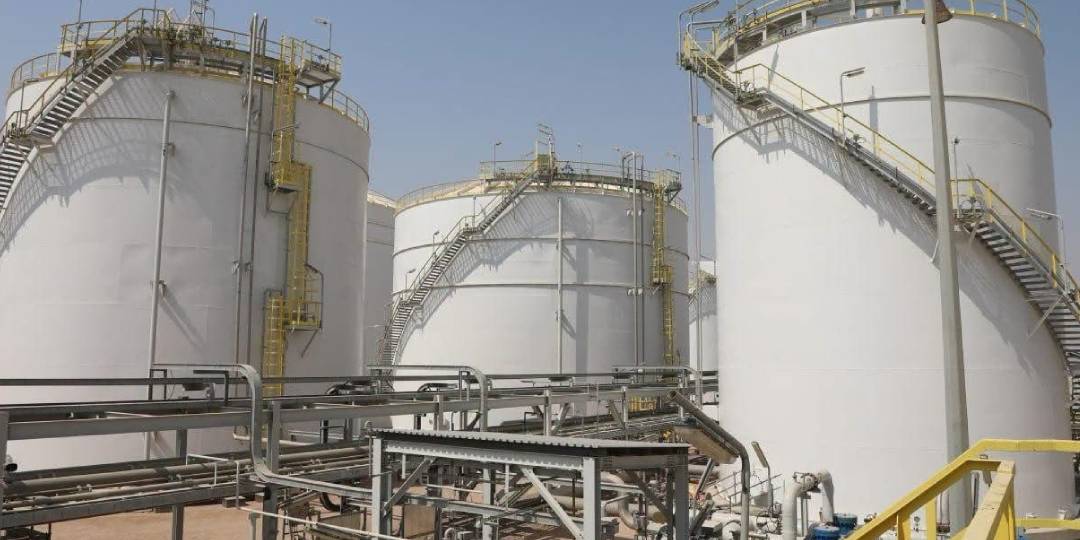

The Iraqi Ministry of Oil confirmed that operational work on the Fluid Catalytic Cracking (FCC) project at the South Refineries Company in Basra is progressing at an accelerated pace ahead of full unit commissioning. The major downstream project represents a decisive step toward expanding gas investment and refining in Iraq, modernizing processing complexes, and providing high-specification refined petroleum products for the domestic market.
Simultaneously, the ministry held high-level strategic talks in Baghdad with the chief executive officers of TotalEnergies and ConocoPhillips. The discussions focused on expanding multinational energy partnerships, developing upstream associated gas gathering networks, cutting flaring emissions, and securing clean fuel feedstock for national electrical power generation stations.
Downstream Modernization Through the Basra FCC Complex
According to an official statement released by the Ministry of Oil, international and local engineering teams at the South Refineries Company are conducting pre-commissioning work across all integrated processing units under the direct guidance of Minister of Oil Basim Mohammed Khudair Al-Abadi. The expansion serves as a critical pillar in Iraq’s strategy to eliminate costly refined product imports and secure domestic fuel self-sufficiency.
The FCC complex ranks among the largest industrial processing upgrades in the country, engineered to convert low-value atmospheric residue and heavy fuel oil into high-octane gasoline, diesel, and liquefied petroleum gas. Once operational, the complex will raise output margins, enhance environmental fuel compliance, and satisfy rising consumer demand across southern and central provinces.
Operational and Economic Benefits of the FCC Complex
– Upgrading heavy residual fuel oil into premium, high-octane gasoline and Euro-standard diesel.
– Slashing state expenditures allocated to importing refined petroleum fuels from abroad.
– Boosting processing throughput and commercial flexibility across the South Refineries Company assets.
– Providing specialized technical employment and technology transfer opportunities for local engineering staff.
Strategic Gas Investment and Refining in Iraq Talks with Global Operators
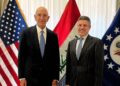
In parallel with downstream refining milestones, Deputy Minister of Oil for Gas Affairs Izzat Saber Ismail convened an expanded working meeting with Patrick Pouyanne, Chairman and Chief Executive Officer of TotalEnergies, and Andrew O’Brien, Chief Executive Officer of ConocoPhillips. The parties reviewed investment horizons, future gas extraction projects, and state blueprints to monetize natural gas resources.
Ismail affirmed that Iraq is implementing tangible measures to cultivate a supportive and competitive investment climate for premier international operators. He noted that the government provides administrative and logistical facilities to ensure the execution of joint ventures, despite past security, geopolitical, and economic challenges confronting the region.
Core Priorities in Associated Gas Capture and Infrastructure
– Accelerating integrated gas gathering networks across major southern oil fields to eliminate gas flaring.
– Supplying processed dry gas directly to thermal electricity generation plants to stabilize the national power grid.
– Modernizing export pipelines, processing facilities, and regional storage depot infrastructure.
– Expanding gas exploration blocks to augment national hydrocarbon reserves and sustain domestic industrial growth.
Integrated Value Chain from Upstream Wells to Refined Fuel
Aligning FCC refining commissioning with multinational gas extraction partnerships forms an integrated strategy to maximize the commercial value extracted from each barrel of crude oil produced in Iraq. The approach transitions the national economy away from exporting solely raw crude toward manufacturing high-grade consumer and industrial fuels domestically.
Energy analysts observe that capturing flare gas and expanding domestic refining capacity delivers dual benefits by meeting international environmental obligations while shielding public finances from volatile global fuel prices. Upgraded refineries combined with modern gas recovery plants guarantee long-term industrial reliability across petrochemical, electrical, and transport sectors nationwide.
Conclusion:
Ongoing commissioning tasks at the South Refineries Company alongside strategic engagements with TotalEnergies and ConocoPhillips highlight a determined push to advance gas investment and refining in Iraq. By transforming refining capabilities and capturing associated gas, the Ministry of Oil continues to build a resilient energy economy, enhance domestic energy security, and foster long-term industrial prosperity.