
The Council of the European Union adopted a formal decision on Monday, October 12, 2026, establishing a comprehensive assistance mission in Lebanon under the Common Security and Defence Policy (CSDP). The initiative aims to provide institutional advice, technical expertise, and operational training to the Lebanese Armed Forces (LAF) and the Internal Security Forces (ISF) over an initial three-year mandate.
Establishment of the EU support mission for Lebanon responds to an official request submitted by Lebanese authorities seeking European partnership to bolster national sovereignty, improve border surveillance, and reinforce territorial control. The deployment supports the implementation of United Nations Security Council Resolution 1701 and aligns with state directives to consolidate arms under sovereign constitutional authority.
In Beirut, Lebanese President General Joseph Aoun welcomed the European Council’s decision, describing the partnership as a critical pillar for stabilizing national security and restoring state control across sovereign land and maritime borders.
“`
+————————————————————-+
| EU Support Mission Structure |
+————————————————————-+
| Mandate Duration | Initial three-year operational timeline |
| Military Pillar | Advising LAF on land borders & maritime |
| Civilian Pillar | Supporting ISF, port security, cybercrime|
| Legal Framework | CSDP alignment with UNSCR 1701 |
+————————————————————-+
“`
Structural Architecture of the EU Support Mission for Lebanon
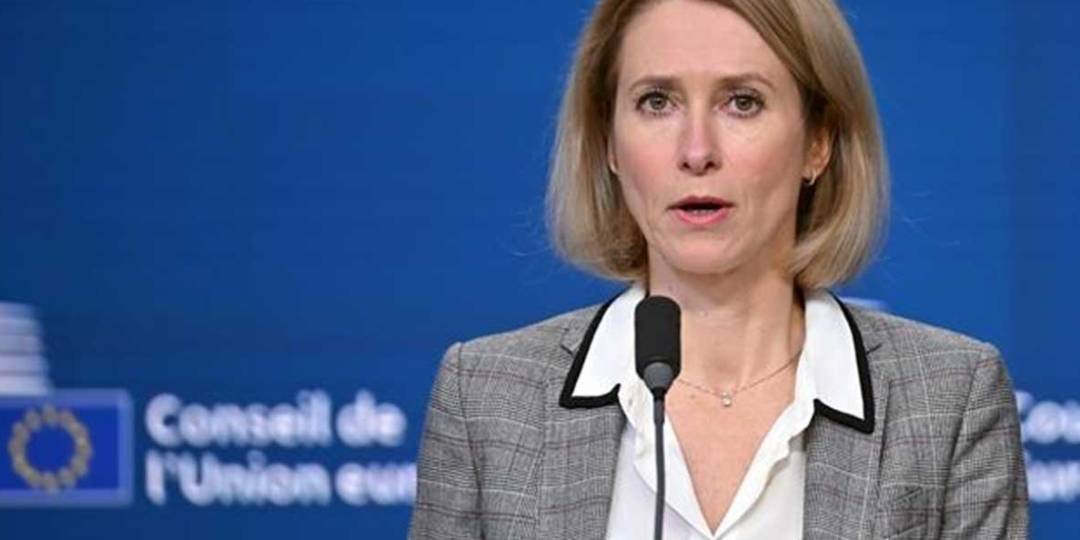
EU High Representative for Foreign Affairs and Security Policy Kaja Kallas confirmed that the mission operates under a unified political mandate divided into two specialized pillars. The mission integrates military and civilian tracks to address structural security requirements across national institutions.
European officials clarified that the initiative complements funding channels provided through the European Peace Facility (EPF). The mission does not replace the United Nations Interim Force in Lebanon (UNIFIL), nor will its operational parameters remain restricted to southern Lebanon.
Strategic Objectives of the Military Component
– Providing strategic doctrine advice and tactical training to active Lebanese Armed Forces formations.
– Modernizing land border surveillance, sensor networks, and checkpoint interdiction capabilities along northern and eastern frontiers.
– Upgrading intelligence, surveillance, target acquisition, and reconnaissance (ISTAR) mechanisms across border sectors.
– Strengthening maritime security governance and naval assets to safeguard territorial waters against smuggling networks.
Civilian Support for Internal Security and Port Infrastructure
The civilian component of the mission focuses on building institutional capacity within the Internal Security Forces. Specialized European advisors will work directly with police commands to establish sustainable training methodologies and strengthen domestic investigative standards.
Civilian teams will prioritize infrastructure protection by improving security governance at commercial ports, notably the Port of Beirut and the Port of Tripoli. Advisors will assess access control protocols, customs inspections, and maritime transit management to meet international standards.
Operational Focus Areas for Internal Security Forces
– Enhancing digital forensics and technical capabilities to counter cybercrime and cross-border financial offenses.
– Establishing specialized interdiction programs to disrupt narcotics trafficking and illicit arms shipments.
– Introducing automated risk management and customs scanning systems across international air and sea terminals.
– Strengthening administrative accountability, human rights standards, and legal compliance in civil policing.
Lebanese Leadership Welcomes Sovereign Institutional Support
President General Joseph Aoun released an official statement through the Lebanese Presidency welcoming the foreign ministers’ decision. Aoun highlighted that European advisory support will accelerate security sector development and help state forces secure territorial boundaries.
The Lebanese head of state emphasized that the mission reinforces ongoing efforts to ensure all weapons remain strictly under sovereign government control. He affirmed that Lebanese ministries will extend administrative and logistical cooperation to facilitate the deployment of European advisory teams.
Strategic Outcomes for Lebanese Sovereign Defense
– Expanding technical assistance without placing additional strain on the national treasury.
– Reaffirming international consensus regarding the military as the sole legitimate protector of national stability.
– Coordinating security assistance directly between European capitals, the United Nations, and local commands.
– Advancing practical compliance with international treaties, maritime codes, and UNSC Resolution 1701.
Conclusion:
The launch of the EU support mission for Lebanon marks a significant step forward in European-Lebanese security relations. Over its three-year mandate, the dual military and civilian structure will provide practical assistance to reinforce border control, secure maritime gateways, and assist sovereign defense institutions in maintaining regional peace and domestic stability.