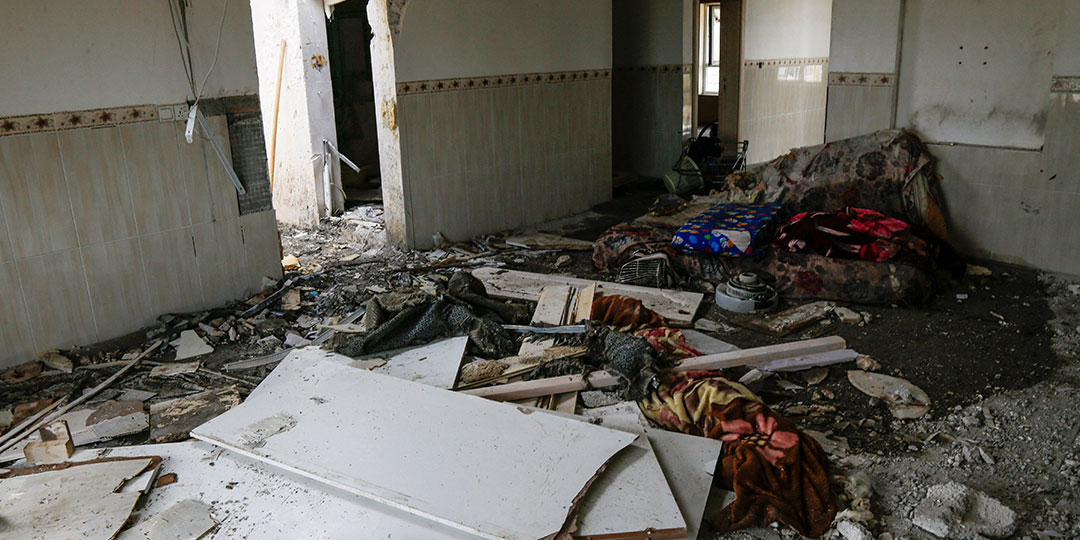

At least three civilians were killed Tuesday in an airstrike targeting residential building in Khor Al-Zubair, Basra province, southern Iraq, according to local and security officials interviewed by Agence France-Presse. The strike against purely civilian area occurred within context of intensifying military escalation across Iraqi territory since February 28 war outbreak. Simultaneously, Iran-aligned Kata’ib Hezbollah announced release of American journalist Shelly Kirleson, detained for week, in exchange for four militia members arrested by Iraqi authorities. Developments reflect escalating security chaos across Iraq amid widening regional conflict, expanding violence scope to include civilians, journalists, and humanitarian workers.
Khor Al-Zubair Airstrike and Civilian Casualties
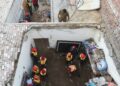
Basra Provincial Council member Thair Al-Salhi told Agence France-Presse in audio message from strike location: “One Khor Al-Zubair house was struck in what eyewitnesses said was an aircraft attack,” clarifying that “neighbors say the house is occupied by five people—three men, one child, and one woman—but so far only three bodies have been recovered.”
Al-Salhi confirmed civil defense teams “continue efforts” searching for victims beneath rubble, indicating possibility of additional casualties under debris.
Strike Origin and Humanitarian Impact
A security official reported “rocket launches from Kuwaiti side,” confirming “strike on Khor Al-Zubair residential building resulting in deaths of three citizens.”
This announcement raises questions regarding attack nature and launch source—whether from regular military forces or other actors. Khor Al-Zubair is populated civilian area, making targeting raise international legal questions regarding civilian protection obligations.
War Context and Ongoing Operations
Since February 28 war outbreak, Iraqi factions aligned with Iran, operating under “Islamic Resistance in Iraq” banner, conduct daily attacks using drones and missiles against what they describe as “enemy targets” across Iraq and region.
Some factions claim bombing targets in Kuwait and Jordan. Simultaneously, militia headquarters undergo airstrikes attributed to United States and Israel. Pentagon announced two weeks prior that combat helicopters executed strikes against these factions.
Popular Mobilization Forces and Iran-Aligned Factions
Popular Mobilization Forces represents coalition established in 2014 to combat Islamic State, subsequently integrated into Iraqi military institution. However, coalition also contains brigades belonging to factions aligned with Iran operating independently from formal military structures.
Ain Al-Asad Air Base and Air Defense Response
Iraqi Defense Ministry announced Tuesday downing of drone headed toward Ain Al-Asad Air Base in Anbar. Base hosted, alongside Iraqi forces, international coalition advisors combating Islamic State, withdrawn early 2026 per Baghdad-Washington agreement.
Ministry stated: “At precisely 08:55 (05:55 GMT), Second Special Forces Division command successfully intercepted unidentified drone attempting to target radar system at Iraqi Ain Al-Asad Air Base,” with no casualties or damage reported.
Defense Commitment and Potential Retaliation
Iraqi Defense Ministry affirmed “commitment to right to respond to any party targeting its headquarters or personnel.” Position reflects Iraqi government readiness to counter attacks targeting its forces.
Iraqi National Security Media Cell Chief Saad Maen separately reported “downing of two drones attempting to target security forces” in Kirkuk province, northern Iraq.
Release of American Journalist Shelly Kirleson
Kata’ib Hezbollah Iraq announced Tuesday evening decision to release American journalist Shelly Kirleson, detained for week in Baghdad.
Militia security official Abu Mujahid Al-Assaf stated in brief announcement: “Appreciating patriotic positions of outgoing Prime Minister, we decided to release American accused Shelly Kirleson, on condition she immediately leave country.”
Al-Assaf added: “This initiative will not repeat in coming days, as we are in war launched by Zionist-American enemy against Islam, in such situations many considerations are abandoned.”
Kidnapping Circumstances and Release
United States announced American journalist was kidnapped previous Tuesday in Iraqi capital by Kata’ib Hezbollah. Senior Interior Ministry official confirmed Wednesday authorities tracked kidnappers, arresting one “carrying identification showing membership in 45th Brigade of Popular Mobilization Forces, brigade belonging to Kata’ib Hezbollah.”
Official noted “kidnapper arrest occurred in Musayib area” near Jarf Al-Sakhar, Kata’ib Hezbollah stronghold in Babylon province, central Iraq.
Release Terms and Security Exchanges
Security source reported Kirleson “released in exchange for release of four Kata’ib Hezbollah members Iraqi authorities arrested two weeks ago for launching rockets toward military base” in Syria near Iraq border.
Iraqi government announced March 24 detention of four “outlaws” who fired “rocket barrage” toward military base in Hasakah countryside, northeastern Syria, previously hosting American forces within international coalition.
Journalist Identity and Media Work
Press freedom organizations identified journalist as Shelly Kirleson, collaborating with Monitor news site specializing in Middle East affairs.
Reflects Kirleson was conducting legitimate journalistic work prior to abduction, raising journalist safety concerns in complex, dangerous Iraqi environment.
Historical Context of Iraqi Kidnappings
In recent years, assassination attempts, murder operations, and kidnappings have targeted numerous activists, researchers, and journalists in Iraq. However, operation frequency declined after country partially restored security stability.
This stability deteriorated with February 28 American-Israeli war launch against Iran, prompting return of security chaos, kidnappings, and violence.
Previous Kidnapping Cases and Releases
September 2025 saw Baghdad release Israeli-Russian researcher Elizabeth Tsurkov after approximately two-and-half years detention. Iraqi government described holders as “outlaws,” while American President Trump said Kata’ib Hezbollah released her.
These precedents reflect kidnapping-release pattern linked to ransom and security exchanges within Iraqi environment.
Iraqi-American Security Cooperation
Baghdad and Washington announced March 27 “intensified cooperation” aimed at preventing attacks on Iraqi security forces and American interests.
Yet continued attacks and kidnappings indicate limits of security cooperation and difficulty controlling independent armed factions.
Government Challenges and Security Control
Iraqi government faces serious challenges imposing authority over various armed factions, particularly those aligned with Iran enjoying international backing and substantial economic resources.
Reliance on “patriotic initiatives” and hostage release based on concessions reflects actual state weakness.
Conclusion:
Tuesday events reflect ongoing security deterioration across Iraq amid regional war. Civilian deaths from indiscriminate attacks, kidnapping, and hostage release conditional on concessions indicate Iraqi state loss of effective security control. Alleged American-Iraqi security cooperation translates to no real security results on ground. Iraqi civilians remain primary victims of regional war and resulting security chaos.