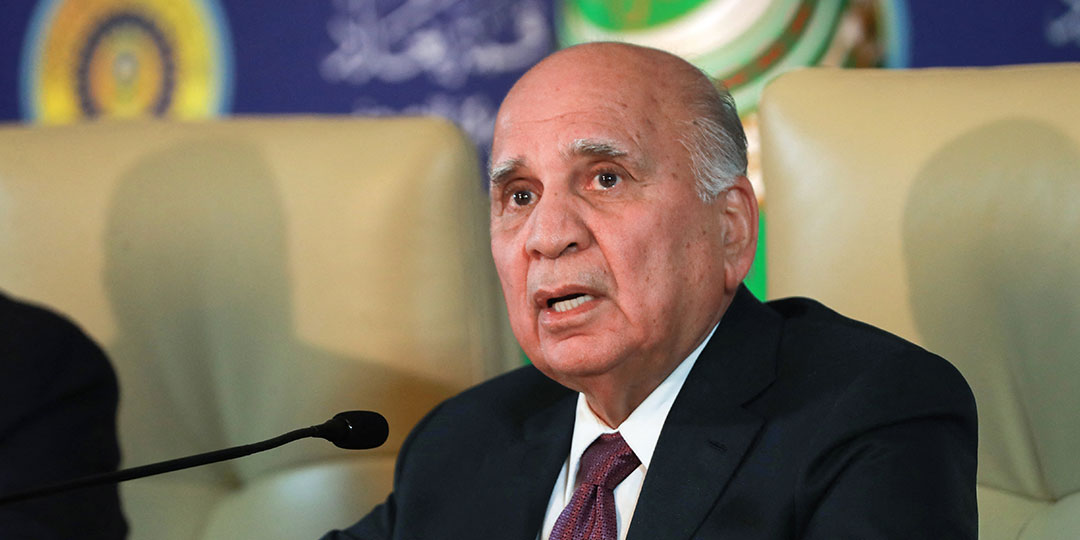

Iraqi prime ministerial candidate Nouri al-Maliki condemned what he termed “blatant American interference” in Iraq’s internal affairs on Wednesday. The statement came after US President Donald Trump threatened to cease all support to the country if al-Maliki is appointed to the post.
“We categorically reject the blatant American interference in Iraq’s internal affairs,” stated al-Maliki on the social media platform X. He described the move as “a violation” of the democratic system established after the 2003 US-led invasion.
The controversy follows al-Maliki’s endorsement by the Coordination Framework, an influential coalition of Shiite political groups that forms the main ruling alliance.
On Tuesday, President Trump stated that selecting al-Maliki would be a “very bad choice” for Iraq. He warned that due to al-Maliki’s “insane policies and ideologies, if elected, the United States of America will no longer help Iraq.”
In response to the US threats, hundreds of protestors gathered near the US embassy in Baghdad on Wednesday evening, chanting “Yes for Maliki.” An AFP journalist reported that some demonstrators burned an American flag and a poster of President Trump.
Al-Maliki, who previously served two terms as prime minister from 2006 to 2014, has had a contentious relationship with Washington, partly due to his strengthening ties with Iran and accusations of promoting a sectarian agenda during his tenure. Despite this, the 75-year-old politician remains a pivotal figure in Iraqi politics.
In his statement, al-Maliki affirmed his commitment to his nomination, asserting that the US position “infringes upon the Coordination Framework’s decision.” He added, “I will continue to work until the end, in a way that achieves the higher interests of the Iraqi people.”
The office of outgoing Prime Minister Mohammed Shia al-Sudani weighed in, stressing that the selection of a prime minister is an “Iraqi affair” while also calling for “positive, balanced relations with friendly and allied countries, especially the United States, based on mutual respect.”
Other members of the Coordination Framework, including the US-sanctioned groups Asaib Ahl al-Haq and Kataeb Sayyid al-Shuhada, also issued statements rejecting any “external dictates” or interference in the transfer of power.
The situation places Iraq in a delicate position, balancing its sovereignty with concerns over potential US sanctions and the withdrawal of financial and military support, which analysts warn could threaten the country’s recent stability.