
What happened
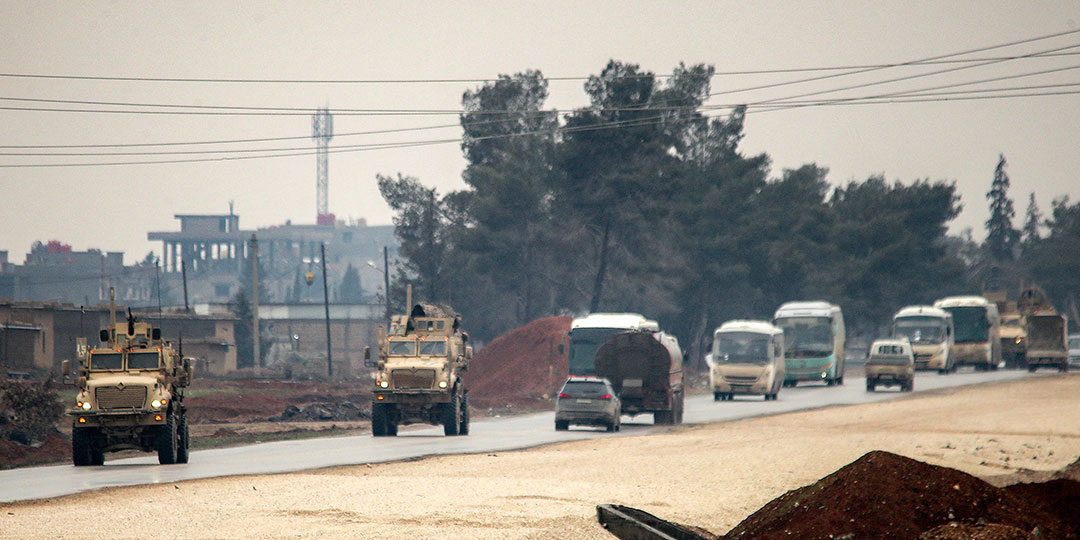
AP reported that over several weeks US forces escorted more than 5,000 detainees—men from roughly 60 nationalities—from prisons run by the Kurdish-led Syrian Democratic Forces (SDF) in northeastern Syria to Baghdad for interrogation by Iraqi officers. The reporting described a rare visit to Al-Karkh Central Prison (also known as Camp Cooper), where detainees were brought in batches for questioning and medical checks, with AP observing from behind a window without being able to hear what was asked or answered.
AFP, citing CENTCOM, said the transfer mission ran for 23 days starting January 21 and concluded with a nighttime flight on February 12, moving more than 5,700 adult male IS suspects into Iraqi custody. AFP also cited an Iraqi security source saying most detainees are Syrians, alongside hundreds of foreigners from Arab states, Europe, Asia and Australia.
Why now: the stated trigger in Syria
Both accounts link the transfers to rapid changes in northeastern Syria. AP described an offensive launched by Syria’s new government forces that captured territory from the SDF, followed by a ceasefire and SDF withdrawal under an agreement. AFP similarly described Damascus recapturing surrounding territory as the reason Washington “stepped in.”
In this framing, the primary near-term objective is to prevent detainee escapes during instability—an issue that has long worried Iraqi authorities and the US-led coalition given IS “sleeper cells” operating across Iraq and Syria.
The “fair trials” argument: laying groundwork—or widening the net?
AP placed significant emphasis on a second rationale: Iraq says it intends to put at least some of these detainees on trial after years in Syrian detention without charges or access to a judicial system. An Iraqi judge leading an interrogation committee described the scale—thousands of detainees, spanning Arab and non-Arab nationalities—and the logistical complications, including health issues that required a medical center.
AFP noted Iraq’s judiciary had begun investigations into transferred detainees earlier this month, while also pointing out Iraq’s already crowded prison system and its record of handing down death sentences and life terms for terrorism offenses, including foreign fighters.
This leaves an open question: are these transfers a bridge toward more formal, transparent prosecutions—or a mechanism to process large numbers quickly in a system already under strain?