
The International Organization for Migration (IOM), a UN agency, launched evacuation operations on Friday, March 13, 2026, to assist migrants trapped in Iran due to an escalating regional war that began on February 28 following a joint US-Israeli military operation. The organization stated it is helping “some migrants in difficult situations leave Iran” amid intense bombardment and massive population displacement triggered by the conflict.
David John, an IOM official, told reporters during a briefing in Geneva that “we have assisted some migrants in returning to their homes from Iran,” noting that “requests number in the hundreds and are increasing day by day.” The IOM did not specify the nationalities of migrants who departed or request assistance, but indicated the scale of humanitarian need is expanding rapidly as the war intensifies.
Hundreds of Assistance Requests and Resource Constraints
The IOM reported receiving assistance requests “in the hundreds and increasing daily” from migrants seeking to leave Iran, though the organization did not provide specific departure numbers or demographic details. The agency emphasized the prohibitively high cost of evacuation operations and identified insufficient resources as a primary obstacle to expanding relief efforts.
Iran hosts the world’s largest refugee population, with millions of Afghans, hundreds of thousands of Iraqis, and significant populations from other nationalities. The United Nations confirms that this concentration of refugees and migrants in Iran exposes them collectively to the hazards of war and aerial bombardment.
Migrant Workers Among Civilian Casualties
The IOM noted that migrant workers are among the civilian casualties killed or injured in airstrikes on Iran. This tragic reality reflects that migrants, who frequently work in sensitive sectors such as construction, energy, and industry, face heightened risks during armed conflicts.
Mass Displacement Across Iran and Lebanon
The UN Office of the High Commissioner for Refugees (UNHCR) reported on Thursday, March 12, that 3.2 million people have been internally displaced within Iran due to the war. This enormous figure reflects the scale of destruction and danger that Iranian population centers have endured since the conflict erupted on February 28.
In Lebanon, the humanitarian situation is more complex and severe. The IOM announced that the Middle East war has resulted in “displacement of approximately 200,000 migrants at minimum” in Lebanon, where security conditions are critically deteriorated.
Syrian and Lebanese Population Movements
The UN Office of the High Commissioner for Refugees reported that more than 94,000 Syrians have returned from Lebanon to their homeland, fleeing the regional war. Additionally, approximately 10,000 Lebanese departed to Syria, seeking safety in another country.
This reciprocal displacement reflects the tragic humanitarian condition across the region, as millions attempt to escape the conflict toward relatively safer locations.
Military Escalation in Lebanon
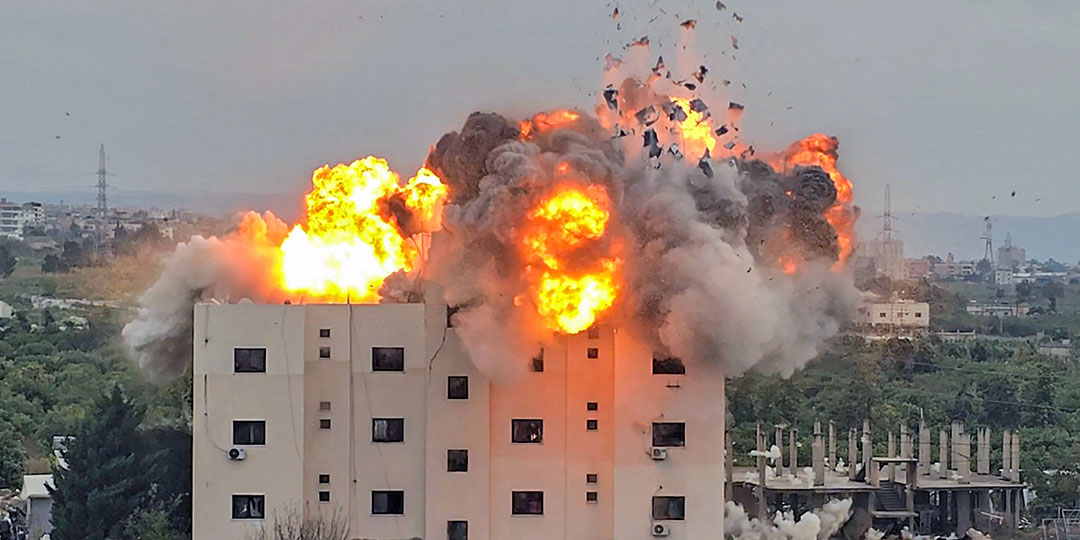
The war expanded to Lebanon after Hezbollah launched rockets at Israel in response to the assassination of Iran’s Supreme Leader Ayatollah Ali Khamenei in the opening days of the conflict on February 28. Israel responded with intensive aerial bombardment campaigns across Lebanon and deployed ground forces into the southern region.
Aerial Bombardment and Civilian Impact
Israeli airstrikes on Lebanon have resulted in tens of thousands of civilian deaths and injuries, along with widespread destruction of critical infrastructure. This military campaign ranks among the most intense operations witnessed in the region in over a decade.
UN Emergency Funding Appeal for Lebanon
UN Secretary-General António Guterres launched an emergency funding appeal of $325 million from Beirut on Friday, March 13, to support Lebanon in responding to the displacement crisis caused by the war between Hezbollah and Israel.
Guterres told reporters at a conference attended by representatives of UN agencies and donor nations: “I am pleased to join you today in launching an emergency humanitarian appeal of $325 million to support the Lebanese people.” This funding is designated to expand “the scope of life-saving assistance over the next three months, including food, clean water, healthcare, education, protection, and other essential services.”
Essential Humanitarian Services
The proposed humanitarian assistance covers fundamental needs for the displaced population, including:
Food and clean drinking water
Healthcare services and medications
Education for children
Protection and psychosocial support
Logistics, shelter, and accommodation
These essential needs represent necessary requirements for survival and human dignity during armed conflicts.
Broader Humanitarian Challenges
The migrant and displacement crisis in the Middle East constitutes one of the largest humanitarian emergencies since World War II. Millions have been displaced from their homes, and healthcare and educational infrastructure has been destroyed on a massive scale.
Insufficient Funding
While Guterres’s $325 million funding appeal represents a significant commitment, UN humanitarian experts question whether the amount will suffice to address all urgent humanitarian needs. The IOM similarly identified resource shortages as a fundamental barrier to expanding evacuation and assistance operations.
Broader Context of the Conflict
The regional war erupted on February 28, 2026, following a joint US-Israeli military operation that resulted in the death of Iran’s Supreme Leader Ayatollah Ali Khamenei. Since then, military operations have escalated dramatically:
Iran conducted missile and drone strikes against multiple targets
Israel launched extensive aerial campaigns across Iran and Lebanon
Gulf states experienced repeated Iranian attacks
Thousands of casualties documented across the region
Territorial Expansion of Conflict
The conflict, which initially focused on strikes against Iranian military and energy infrastructure, has expanded to encompass Lebanon, with Israeli ground forces now occupying portions of southern Lebanon. This geographic expansion signals a shift from targeted military operations to broader regional confrontation.
International Response and Coordination
The UN emergency appeal and IOM evacuation operations represent the international community’s attempt to manage the humanitarian dimensions of the conflict. However, the scale of displacement and resource constraints suggest that existing mechanisms are insufficient to address the crisis adequately.
Multiple UN agencies are coordinating with donor countries to mobilize additional resources. The UNHCR, the World Health Organization (WHO), the UN World Food Programme (WFP), and other specialized agencies are all engaged in emergency response operations.
Conclusion:
UN-led evacuation operations and the emergency funding appeal underscore the catastrophic humanitarian dimensions of the Middle East conflict. With 3.2 million internally displaced in Iran and approximately 200,000 displaced in Lebanon, humanitarian organizations face enormous challenges in delivering essential assistance. As the war continues to expand geographically and intensify militarily, humanitarian needs are expected to grow substantially, requiring more comprehensive funding and broader international cooperation to address the escalating crisis. The insufficient resources identified by the IOM and the scale of displacement documented by UNHCR indicate that this humanitarian emergency will require sustained international engagement far beyond the initial emergency appeals.