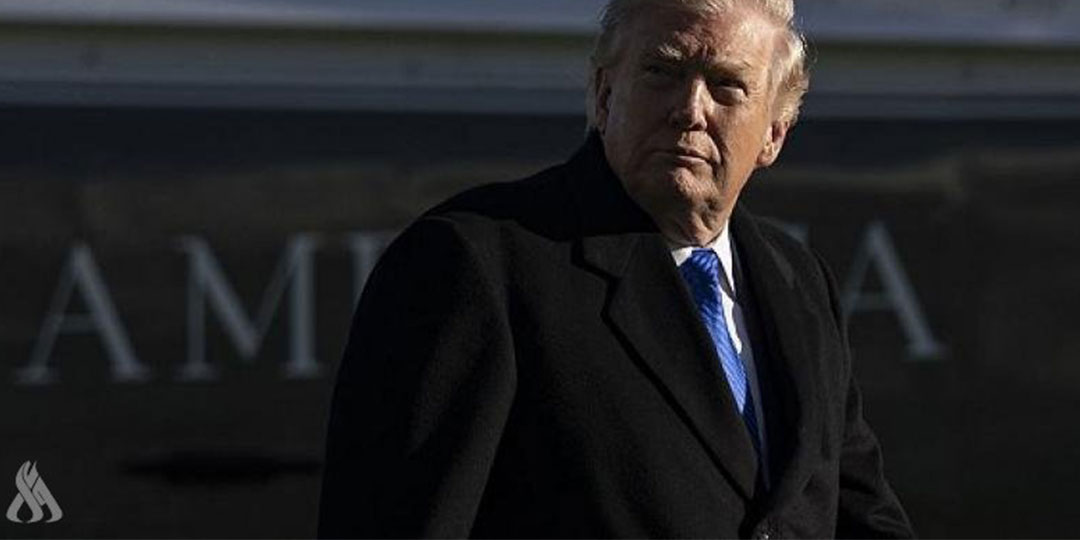

President Donald Trump escalated pressure on Iran Sunday by openly declaring his “trump card” would be a comprehensive naval blockade if Tehran rejects the final U.S. ceasefire offer delivered during Saturday negotiations in Islamabad. Writing on Truth Social, Trump stated: “The Trump card the president holds if Iran doesn’t cave: a naval blockade,” drawing comparison to his previous use of naval blockade strategy against Venezuela’s President Nicolas Maduro to cripple that nation’s economy. Trump’s threat follows the failure of two-week ceasefire negotiations in Pakistan’s capital, with U.S. Vice President JD Vance announcing Sunday that no agreement was reached and that the U.S. would not compromise on its “red lines” regarding Iranian nuclear weapons programs and regional military activities. Pakistan’s Foreign Minister Ishaq Dar called on both sides to maintain commitment to the ceasefire despite negotiation collapse, while Australia’s Foreign Minister Penny Wong expressed disappointment over the failed talks and urged return to negotiations. The naval blockade threat represents Trump’s most explicit military pressure tactic since the ceasefire announcement, signaling willingness to escalate from current Strait of Hormuz restrictions to comprehensive economic strangling of Iran’s export economy.
The convergence of failed diplomatic negotiations, explicit military threats, and international mediation efforts attempting to preserve ceasefire arrangements reflects the fragility of the two-week agreement and heightened risks of renewed military escalation.
Trump Declares Naval Blockade as “Trump Card” Against Iran
President Trump used his Truth Social platform Sunday to explicitly threaten Iran with comprehensive naval blockade if Tehran refuses to accept the final U.S. ceasefire proposal. Trump’s declaration stated: “The Trump card the president holds if Iran doesn’t cave: a naval blockade.”
The president accompanied his warning with a link to a television program discussing naval blockade strategy, with the program’s host stating: “Before President Donald Trump embarked on a bold military detention of dictator Nicolas Maduro, he had brought Venezuela’s economy to its knees through a naval blockade that choked the country’s oil revenues.”
Comparison to Venezuelan Blockade Strategy
Trump’s reference to Venezuelan naval blockade strategy reflects his administration’s willingness to employ comprehensive economic strangulation tactics against nations refusing U.S. demands. The Venezuelan blockade achieved significant economic damage by preventing oil export revenue, triggering widespread economic hardship and food shortages.
The comparison signals Trump’s intention to apply similar comprehensive pressure tactics against Iran if negotiations fail to produce agreement satisfying U.S. conditions regarding nuclear weapons programs and regional military operations.
Naval Blockade Threat as Escalation Beyond Current Hormuz Restrictions
While Iran currently controls the Strait of Hormuz and maintains ability to disrupt shipping, Trump’s naval blockade threat represents explicit U.S. commitment to enforce comprehensive maritime restrictions preventing Iranian oil exports. The threat extends beyond passive acceptance of Iranian Hormuz control to active American enforcement of shipping restrictions.
Trump Threatens Return to Bombing Campaign if Blockade Rejected
The television program accompanying Trump’s statement outlined alternative scenarios if Iran rejects both final U.S. ceasefire proposal and subsequent naval blockade pressure. The program’s host noted: “If Iran rejects the final deal the United States offered on Saturday, Trump might bomb Tehran back to the ‘Stone Age’ as he threatened, or he might redeploy the successful blockade strategy he followed to strangle Iran’s already ailing economy.”
The host continued: “In short, Trump can simply outflank Iran’s control of the Strait of Hormuz through his blockade, as experts say.”
Escalation Ladder of Military Pressure
Trump’s stated options present escalating military pressure: initial bombing campaign against Iranian infrastructure, followed by comprehensive naval blockade if bombing fails to achieve compliance. The escalation ladder reflects Trump’s negotiating strategy combining maximum threat with preserved options for further action.
Vance Announces Failed Islamabad Negotiations; No Agreement Reached
U.S. Vice President JD Vance announced Sunday that negotiations between U.S. and Iranian delegations in Islamabad concluded without agreement. Vance stated that Washington would not compromise on its “red lines” and that the decision to accept or reject the U.S. proposal now rested with Iranian leadership.
The failed negotiations represent the culmination of intensive two-week ceasefire talks that began after the initial U.S.-Iran ceasefire announcement Tuesday, with Pakistan, Egypt, and Turkey serving as mediators.
U.S. Red Lines and Non-Negotiable Demands
Vance’s reference to U.S. “red lines” reflects American refusal to compromise on specific demands, particularly regarding Iranian nuclear weapons programs and restrictions on regional military operations through proxy forces. The non-negotiable nature of these demands suggests limited room for compromise in future negotiations.
Iranian Decision-Making Position
Vance’s statement that the decision now rests with Iran reflects American assessment that maximum pressure has been applied and further negotiations depend on Iranian willingness to accept U.S. terms. The characterization suggests limited American expectation of Iranian acceptance of current proposals.
Pakistan’s Foreign Minister Calls for Ceasefire Continuation Despite Negotiation Failure
Pakistan’s Foreign Minister Ishaq Dar issued a statement Sunday calling on the United States and Iran to maintain commitment to the ceasefire despite the failure of Islamabad negotiations to produce agreement. Dar stated: “It is necessary that both sides continue their commitment to the ceasefire.”
The foreign minister added: “Pakistan was and will continue to fulfill its role in coming days to facilitate engagement and dialogue between the Islamic Republic of Iran and the United States.”
Pakistan’s Mediation Role and Future Engagement
Dar’s statement reflects Pakistan’s commitment to continued mediation efforts despite Islamabad talks’ failure. The nation’s willingness to persist in diplomatic efforts suggests recognition that ceasefire maintenance depends on diplomatic channels remaining open.
International Pressure to Preserve Ceasefire
Pakistan’s diplomatic appeal represents international community’s effort to prevent ceasefire collapse and renewed military escalation. The mediation effort reflects broader international concern that failed negotiations could trigger return to intensive warfare.
Australia Expresses Disappointment; Urges Return to Negotiations
Australia’s Foreign Minister Penny Wong issued a statement Sunday expressing disappointment over the Islamabad negotiations’ failure and calling on both sides to return to talks. Wong stated: “The priority should now be the continuation of the ceasefire and return to negotiations.”
She added: “The end of Islamabad talks between the United States and Iran without agreement is disappointing,” while emphasizing that “continuation and ceasefire sustainability and return to negotiations” remained essential priorities.
International Community’s Unified Messaging
Australia’s statement reflects broader international alignment in prioritizing ceasefire preservation and diplomatic engagement. The coordinated messaging from Pakistan, Australia, and other mediators signals international pressure on both parties to maintain restraint.
Regional Stability Concerns
International statements about negotiation failure reflect concern that escalation could trigger broader regional destabilization affecting global energy markets, international commerce, and regional security arrangements.
Ceasefire Fragility and Renewed Escalation Risks
The convergence of failed negotiations, Trump’s explicit military threats, and international diplomatic appeals underscores the profound fragility of the two-week ceasefire arrangement. The pattern suggests that ceasefire continuation depends on active diplomatic engagement and mutual restraint rather than fundamental resolution of underlying disputes.
Two-Week Ceasefire as Interim Arrangement Under Pressure
The ceasefire was explicitly framed as temporary two-week arrangement, with both sides understanding that failure to achieve agreement within that period risked renewal of military operations. The failed Islamabad talks suggest that deadline is approaching without breakthrough agreement.
Military Pressure as Negotiating Tactic
Trump’s explicit threat of naval blockade represents military pressure deployment as negotiating tactic. The threat aims to increase costs of rejecting U.S. terms while demonstrating willingness to escalate if diplomatic channels fail.
Iranian Strategic Position and Response Options
Iran faces stark choice between accepting U.S. proposals incorporating nuclear weapons restrictions and regional military limitations, or facing threatened naval blockade and potential renewed bombing campaign. The Iranian government’s response will likely determine whether ceasefire holds or escalates into renewed warfare.
Domestic Political Constraints on Iranian Leadership
Iranian decision-making regarding ceasefire and U.S. proposals faces domestic political constraints. Accepting U.S. nuclear restrictions and military limitations could face significant domestic opposition from hardline factions viewing such concessions as capitulation to American pressure.
Implications for Strait of Hormuz and Global Energy Security
Trump’s naval blockade threat extends U.S. pressure beyond current Iranian Hormuz control to comprehensive American enforcement of maritime restrictions. Successful blockade implementation could eliminate Iranian oil exports while opening Hormuz to international commerce under U.S. military protection.
The threat carries implications for global energy security, with potential naval blockade restricting Iranian exports while potentially opening energy supply channels if Iran complies with U.S. demands.
Energy Market Volatility and Economic Consequences
Comprehensive naval blockade would further restrict Iranian oil exports beyond current constraints, potentially affecting global energy supplies and triggering price increases. Market anticipation of blockade implementation could drive oil price volatility independent of actual blockade implementation.
International Law and Military Blockade Legality Questions
Trump’s threat to implement naval blockade raises questions regarding international law compliance and legal justification for comprehensive economic strangulation of Iran. The legality of such blockade depends on framing regarding whether it constitutes legitimate economic pressure or prohibited act of war under international conventions.
Precedent and International Law Framework
Naval blockades have historically been employed as wartime measures, with their legality dependent on whether formal war declaration precedes implementation. Trump’s blockade threat represents potential return to historical practice with uncertain international law implications.
Conclusion:
President Trump escalated military pressure on Iran Sunday by explicitly threatening comprehensive naval blockade if Tehran rejects the final U.S. ceasefire proposal delivered during Saturday Islamabad negotiations. Trump’s Truth Social statement, “The Trump card the president holds if Iran doesn’t cave: a naval blockade,” represents his most explicit military threat since ceasefire announcement, comparing intended blockade strategy to successful Venezuelan economic strangulation efforts. U.S. Vice President JD Vance announced that Islamabad negotiations concluded without agreement and that the United States would not compromise on “red lines” regarding Iranian nuclear weapons and regional military operations. Pakistan’s Foreign Minister Ishaq Dar called on both parties to maintain ceasefire commitment despite negotiation failure, while Australia’s Foreign Minister Penny Wong expressed disappointment and urged return to negotiations. The failed Islamabad talks and Trump’s explicit military threats reveal profound fragility of the two-week ceasefire arrangement and heightened risks of renewed escalation beyond the temporary agreement’s expiration. Iran faces stark choice between accepting U.S. nuclear restrictions and military limitations or facing threatened naval blockade and potential renewed bombing campaign. International mediation efforts by Pakistan, Australia, and other nations attempt to preserve ceasefire and return parties to negotiations, but success depends on fundamental shifts in negotiating positions regarding nuclear weapons programs and regional military operations. The convergence of failed diplomacy, explicit military threats, and limited time remaining in two-week ceasefire window creates conditions for potential rapid return to intensive military operations if breakthrough agreement is not achieved imminently.