
Artillery fire and drone strikes have killed at least 28 people in the southern Sudanese city of Dilling, with another 23 deaths reported across Kordofan on Wednesday and Thursday, according to medical sources. The southern Kordofan region remains the fiercest battlefield in Sudan’s ongoing conflict between the Sudanese Armed Forces and the paramilitary Rapid Support Forces (RSF), which has escalated dramatically since April 2023.
A medical source at Dilling Hospital confirmed the toll, stating that “the number of victims of the artillery shelling and drone attacks that have persisted all day has risen to 28, with 60 injured, including children and women.” The intensity of the attacks prompted warnings from UN officials about deteriorating humanitarian conditions across the region.
Escalation in Dilling and West Kordofan
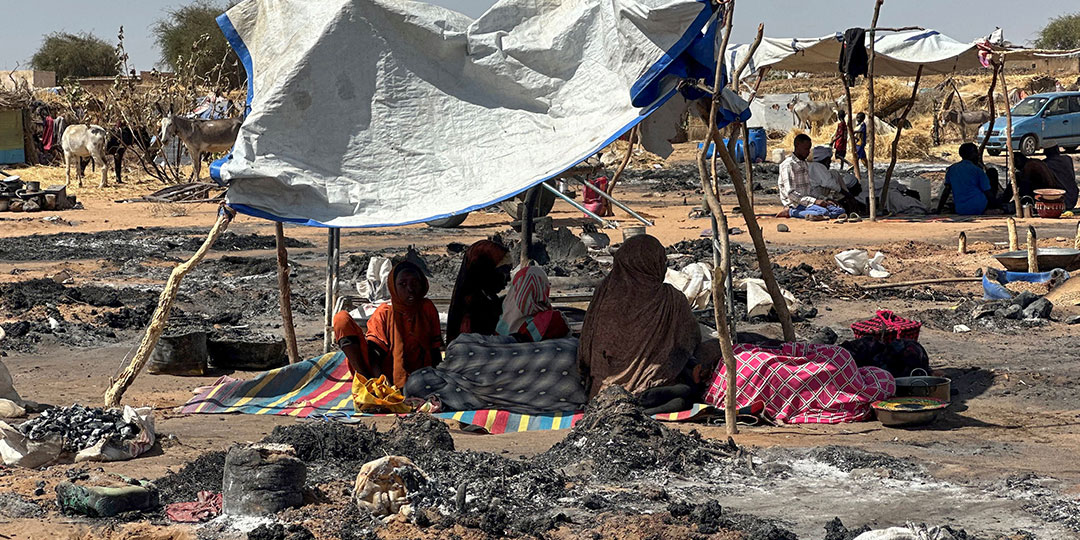
Dilling experienced relentless bombardment throughout Thursday, with residents reporting continuous strikes from dawn onward. “The shelling has been very intense, bombs have been falling since the morning and many homes have been destroyed,” one resident told AFP, speaking on condition of anonymity for safety reasons.
The same medical facility documented a previous RSF drone strike on Wednesday that killed five people and wounded seven. In a separate incident in West Kordofan’s Al-Mojlad city, another strike attributed to the army killed 18 and injured 25, according to hospital staff there.
Dilling had been under paramilitary siege throughout much of the conflict until the Sudanese army achieved a breakthrough in January. However, the RSF has continued to target the city with aerial attacks despite losing ground control.
Army Advances in Strategic Corridor
On Thursday, the Sudanese army announced its recapture of Bara, a key city on the highway connecting Khartoum to North Kordofan’s capital, El-Obeid. The city served as a critical staging point for RSF operations aimed at encircling El-Obeid, which the paramilitary force has attempted to re-surround for months.
“Entering Bara is a major turning point and will have repercussions for El-Obeid and all of North Kordofan,” an anonymous army official said. Control of Bara has repeatedly shifted between the two sides, with tens of thousands displaced as fighting surges and recedes.
The army has faced sustained RSF offensives in Kordofan for months, as the paramilitary group seeks to maintain supply lines between its strongholds in western Darfur and controlled territories to the east.
Drone Warfare and Civilian Impact
Both the Sudanese army and RSF have increasingly relied on drone strikes in their Kordofan campaign, with aerial attacks regularly claiming dozens of civilian lives and drawing repeated condemnation from international bodies including the United Nations.
A drone strike was reported on El-Obeid’s state public prosecution building on Thursday, with local officials attributing the attack to RSF forces. The escalating use of unmanned systems reflects the wider pattern of aerial warfare dominating the conflict’s latter stages.
Humanitarian Crisis Deepens
The UN’s resident coordinator for Sudan, Denise Brown, led the first official mission to Dilling this week, describing “major fighting” that erupted on March 1. In a video statement, Brown warned that “the population can’t move. This is what war is, civilians being caught in the midst of this fighting,” and called for urgent humanitarian access to the city.
Across Kordofan, hundreds of thousands face acute food shortages and are on the verge of starvation. Since the conflict began in April 2023, it has claimed tens of thousands of lives and displaced approximately 11 million people, creating the world’s most severe hunger and displacement crises.
Ongoing Regional Instability
The Kordofan region remains the most volatile zone in Sudan’s civil war. The strategic importance of the region lies in its position linking RSF supply networks and its proximity to Khartoum, making control of cities like Dilling, Bara, and El-Obeid critical for both sides’ military objectives.
Key impacts of the fighting:
Displacement of tens of thousands in recent months
Repeated changes in territorial control
Destruction of civilian infrastructure and homes
Severe restrictions on movement and humanitarian aid access