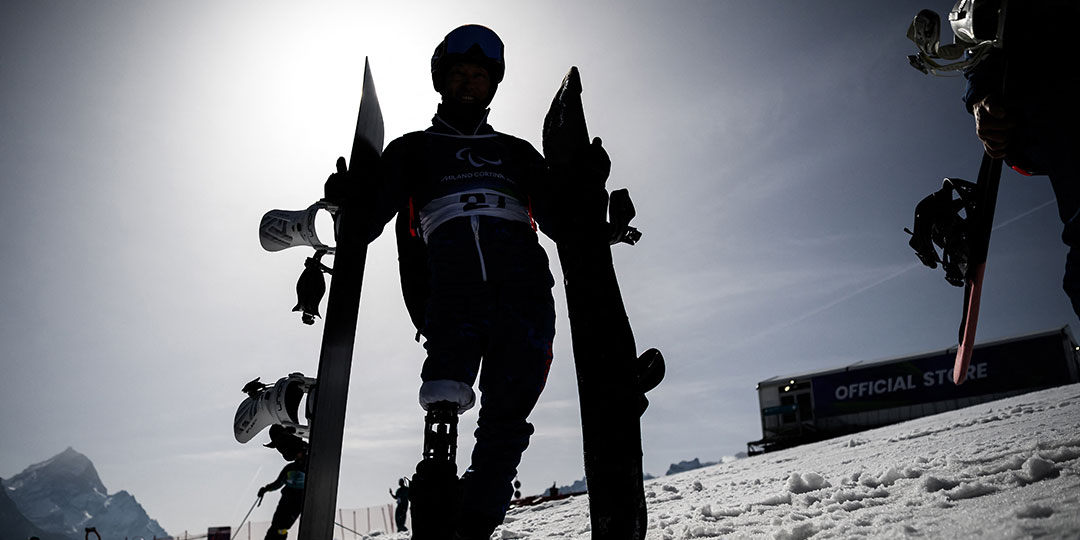

Russia achieved a symbolic victory at the Milan-Cortina 2026 Winter Paralympics when para-alpine skier Varvara Voronchikhina claimed a bronze medal in the women’s standing downhill competition on Saturday. The medal marks Russia’s first appearance on the Paralympic medal table since the Sochi 2014 Games, more than a decade ago.
The achievement comes amid complex circumstances, as the International Paralympic Committee permitted six Russian athletes and four from Belarus to compete under their national flags and identities, rather than as neutral athletes. The decision allowed Russia to return to competition with full national representation, despite ongoing warfare in Ukraine.
Voronchikhina, 23, finished 2.47 seconds behind Sweden’s Ibba Arsgö, who claimed gold, while France’s Aurelie Richard took silver. The accomplishment marks a watershed moment for the Russian athlete and a symbolic return for her country to the international Paralympic stage after years of exclusion and isolation.
From Deprivation to the Podium
Varvara Voronchikhina endured a painful experience four years ago when she was prepared to compete at the Beijing 2022 Winter Paralympics. The Russian athlete faced sudden exclusion from competition after a comprehensive ban on Russian athletes was imposed following the invasion of Ukraine in February 2022.
Speaking after her bronze medal victory, Voronchikhina said: “We were in Beijing and I completed my third training run in the downhill, then we had to go back home. It was very sad for me.” The Russian skier added: “I hoped to do better in these Games, and that’s what happened.”
Despite being a two-time world champion in para-alpine skiing, Voronchikhina remained barred from Paralympic competition for the past four years. Her participation in Cortina 2026 marks a long-awaited return to international competition after forced exile from the global sports arena.
Legal Battle to Overturn the Ban
Voronchikhina and her Russian team returned to international competition in January after successfully appealing against the International Ski Federation (FIS) ban before the Court of Arbitration for Sport (CAS).
The legal appeal proved a turning point for Russian athletes attempting to reclaim their right to international competition. CAS ruled to ease the ban, permitting Russian competitors to return under their national identities rather than as neutral athletes.
The decision reignited debate over the balance between sports sanctions and individual athletes’ rights. While Russia viewed it as a fair step toward rehabilitation, other nations, including Ukraine, criticized the ruling as sending a troubling message at a time of ongoing conflict.
International Protests and Rejection
The International Paralympic Committee’s decision permitting Russia and Belarus to compete under national flags faced widespread rejection and protests. Seven nations boycotted Friday’s opening ceremony in opposition to allowing Russian and Belarusian participation.
Ukraine was among the most prominent countries to boycott the ceremony, sending a clear message of its rejection of Russian presence at the international sports event. Kyiv viewed the decision as a grave error that ignored the suffering of its population from the ongoing Russian invasion, now in its fourth year.
Spectators also registered protests during competitions, with Russia’s delegation met by whistles of disapproval from some attendees at the Verona arena during the opening display. These cold receptions reflected international anger over the controversial decision to permit Russian participation.
Historical Context of Russian Sports Sanctions
Governments and international sports organizations imposed a comprehensive ban on Russian athletes following the invasion of Ukraine in February 2022. This move represented one of the harshest sports penalties imposed on any nation in decades, surpassing even sanctions against Iran and North Korea.
Russian teams were barred from Olympic Games, and international sports federations closed doors to Russian competitors. Limited permission to compete as “neutral athletes” without national flags was offered, a compromise Russia initially rejected before eventually accepting.
The International Paralympic Committee’s decision allowing Russia to return to full national status was viewed by Moscow as a diplomatic and legal victory after years of deprivation and sports isolation. The move raised complex questions about the relationship between political conflict and international athletic competition.
From World Champion to Paralympic Medalist
Varvara Voronchikhina boasts an impressive sports record even before her Paralympic bronze medal. She had achieved two world championships in para-alpine skiing before the ban was imposed on her.
Voronchikhina demonstrated through her Cortina performance that the prolonged forced exclusion had not diminished her skills or determination. She returned to competition with force and secured a medal in her first appearance following the mandatory break from international sport.
Voronchikhina’s achievement reflects individual resilience in the face of difficult political circumstances. The Russian skier did not surrender to despair during years of exclusion but continued training and preparation for a strong comeback to international podiums.
Ukraine War’s Impact on Global Sports
The Russian-Ukrainian war has affected every dimension of the global sports arena. Russian athletes faced international isolation across most disciplines, while Ukrainian competitors enjoyed widespread international support and recognition.
The debate over Russia’s participation in the Winter Paralympics raised profound questions about sport’s role in political conflicts. Some argued that imposing bans on individual athletes amounts to collective punishment that is fundamentally unjust, while others insisted Russia deserves no international recognition while waging war against its neighbor.
These discussions posed genuine challenges for international sports organizations attempting to balance individual justice with collective responsibility, and between sports neutrality and ethical obligation.
Reclaiming National Identity and Raising the Flag
Russia’s return to raising its national flag represented an emotionally powerful moment for many Russian athletes. After years of competing as “neutral athletes” without clear national identity, Russia finally returned to raising its national flag at a major international sports event.
Voronchikhina said in post-victory remarks: “We haven’t had a flag for a very long time. I’m very happy, and so is my country and all my teammates. This is also my first medal.” Her words reflected the joy and relief of reclaiming national identity.
Raising the Russian flag on the victory podium symbolizes far more than simply a sports triumph. It represents a symbolic return for Russia to the international stage, a message Moscow sends to the world about its intention to continue competing internationally despite ongoing partial isolation.
Conclusion:
Varvara Voronchikhina’s bronze medal represents a multifaceted victory: a personal triumph for an athlete who reclaimed her place after painful exclusion, a national victory for Russia returning to the Paralympic stage with full identity after years of isolation, and yet a reminder of the profound international divisions the Ukrainian war has created across Europe and global sports competition. The event reflects tensions between political divisions and sporting values in an era of complex geopolitical conflicts. The Paralympics remain a contested arena where political tensions and sporting ideals collide in the modern world.