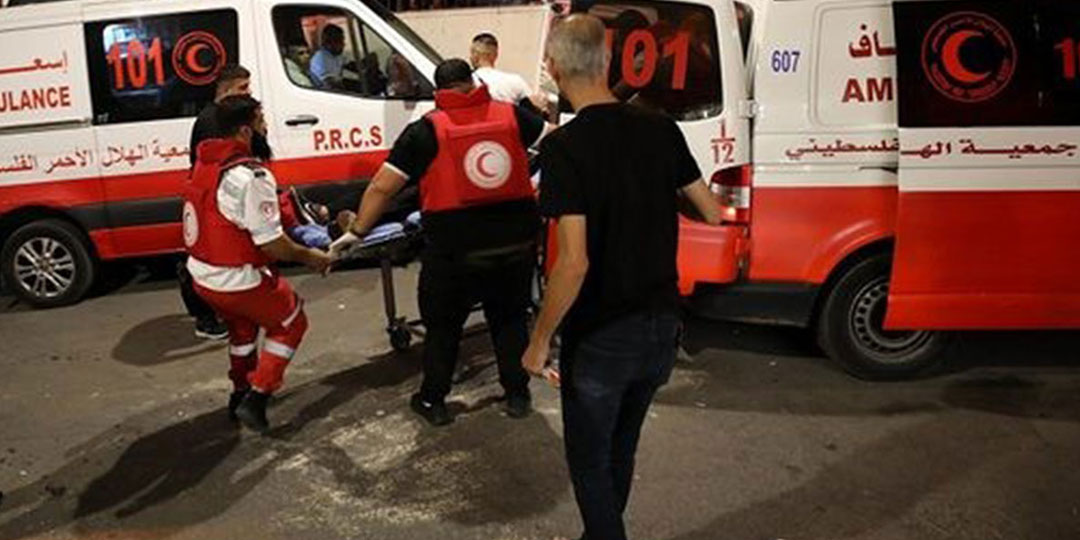

Two Palestinians were injured Monday in Beita village south of Nablus during Israeli occupation force raids across the West Bank, while a woman from Jenin refugee camp died from severe brain injuries inflicted 2.5 years earlier. The Palestinian News Agency WAFA reported that occupation forces stormed a home in Beita, severely beating a father and son, requiring hospital treatment for both. Simultaneously, occupation forces raided Hawara village south of Nablus, conducting extensive home searches affecting dozens of residents. The casualties represent the latest incidents in a pattern of daily raids, home invasions, and military operations conducted by Israeli occupation forces and settlers throughout West Bank towns, villages, and refugee camps, characterized by confrontations, arrests, live ammunition fire, rubber bullets, and tear gas directed against Palestinian civilians.
The woman’s death from protracted injury complications illustrates the long-term humanitarian consequences of occupation force operations, with medical complications from 2023 injuries proving fatal years later despite initial survival.
Monday’s Occupation Force Operations in Northern West Bank
Beita Village Raid and Civilian Injuries
Israeli occupation forces raided the village of Beita in Nablus district Monday, targeting a residential home and severely beating a father and his son. According to WAFA reporting, the violent assault caused injuries to both individuals, requiring immediate hospital admission for medical treatment. The raid exemplifies the pattern of direct physical violence employed during home invasion operations across the West Bank.
Assault Pattern and Justification Claims
Occupation forces provided no explanation for the home invasion or justification for the assault. The targeting of family members within their own residence reflects a pattern where occupation forces conduct raids without formal legal process or accountability mechanisms, conducting investigations and arrests within homes without judicial oversight.
Hospital Treatment and Medical Documentation
Both injured Palestinians received hospital treatment for injuries sustained during the assault. Medical documentation of injuries provides evidence of the physical violence employed during home raids, though injured parties typically face barriers in pursuing legal accountability for assault injuries inflicted during occupation force operations.
Hawara Village Raid and Extensive Home Searches
Large-Scale Search Operations
Occupation forces conducted a separate raid on Hawara village south of Nablus, focusing on extensive home searches affecting dozens of residences. The operation involved methodical searching of homes, disturbance of private possessions, and field investigations conducted with residents.
Disruption of Civilian Life and Property
The searches interfered with private property, disturbed household contents, and subjected residents to field interrogations. Such operations disrupt normal civilian activities, create psychological distress through home invasion, and establish patterns of surveillance and control over Palestinian communities.
No Reported Arrests or Formal Charges
WAFA reporting indicated the raids occurred without reported arrests or formal charges being filed, suggesting that home invasions and searches proceeded without stated legal basis or anticipated prosecutions.
Death from Protracted Brain Injury Complications
Woman’s Death from 2023 Shrapnel Injuries
A woman from Jenin refugee camp died Monday from severe brain injuries sustained 2.5 years earlier during a 2023 Israeli occupation force raid on the camp. The woman had survived the initial injury but died as a result of medical complications from the shrapnel embedding in her brain, illustrating long-term health consequences from occupation force operations.
2023 Jenin Camp Raid Circumstances
The woman sustained her injuries in 2023 when Israeli occupation forces raided Jenin refugee camp and detonated explosives at a residential home during a search operation. The explosion caused shrapnel injuries including brain trauma that initially did not prove immediately fatal but eventually resulted in death from complications.
Delayed Mortality and Medical Consequences
The 2.5-year delay between injury and death illustrates protracted medical consequences where initial survival does not prevent eventual fatality from untreated or inadequately treated severe injuries. Brain shrapnel injuries represent particularly severe trauma with long-term health consequences and limited treatment options in health systems affected by conflict-related disruption.
Pattern of Daily Occupation Force Operations
Scope of West Bank Operations
West Bank cities, towns, villages, and refugee camps experience daily cycles of raid operations, home invasions, and military presence by occupation forces and settlers. The operations represent sustained patterns rather than isolated incidents, reflecting systematic application of military force against civilian populations.
Operational Methods and Violence
Daily operations include confrontations with residents, arrests conducted without due process, live ammunition fire at civilians, rubber bullet deployments, and tear gas attacks. These methods reflect militarized approaches to civilian control rather than law enforcement procedures, subjecting civilian populations to continuous threat of violence.
Absence of Legal Framework
The raids proceed without apparent judicial oversight, arrest warrants, or formal legal justification communicated to residents or documented in public record. The legal framework governing occupation force operations remains unclear to affected Palestinians, creating environment of arbitrary enforcement and unaccountable violence.
Humanitarian Dimensions of Occupation Operations
Civilian Vulnerability and Protection Gaps
Civilian populations including children, elderly, and health-compromised individuals experience direct exposure to occupation force violence without effective protection mechanisms. Family members are assaulted within their own homes without intervention from protective authorities.
Psychological and Social Impacts
Continuous threat of home invasion, arrest, and violence creates psychological stress and social disruption. Communities subjected to daily raids experience disrupted education, interrupted livelihoods, and family separations through arrest operations.
Medical System Strain
Injured Palestinians require hospital treatment for assault injuries and acute medical complications. Occupation-related security conditions strain medical systems’ capacity to provide adequate care for conflict-related injuries and chronic complications.
International Legal Considerations
Home Invasion and Search Procedures
International humanitarian law and human rights frameworks establish standards for search operations, requiring warrants, proportionality assessments, and procedural protections. Occupation force operations appear to proceed without documented compliance with such standards.
Accountability Mechanisms
Injured Palestinians and bereaved families have limited access to accountability mechanisms. No systematic investigation or prosecution framework appears to address injuries and deaths resulting from occupation force operations.
Broader West Bank Context
Occupation Reality for Palestinian Communities
The incidents reported Monday represent daily experiences for Palestinian communities living under occupation. Continuous raids, home invasions, and threat of violence constitute the political and security environment within which Palestinians conduct daily life.
Impact on Civil Society and Governance
Occupation operations undermine Palestinian civil authority, displace local governance functions, and create environment where occupation military force supersedes civilian legal systems.
Conclusion:
Israeli occupation forces conducted raids across the West Bank on Monday, injuring two Palestinians in Beita and conducting extensive home searches in Hawara village. Simultaneously, a woman from Jenin refugee camp died from brain shrapnel injuries sustained 2.5 years earlier during 2023 occupation force operations. These incidents exemplify the pattern of daily raids, home invasions, and military operations affecting West Bank Palestinian communities. The woman’s death illustrates long-term humanitarian consequences where initial injury survival does not prevent eventual fatality from untreated complications. West Bank cities, towns, villages, and refugee camps experience continuous cycles of occupation force operations characterized by confrontations, arrests, live ammunition use, and tear gas attacks directed against civilian populations without apparent judicial oversight or legal accountability frameworks. The pattern reflects systematic militarized control over civilian populations operating outside conventional law enforcement standards.