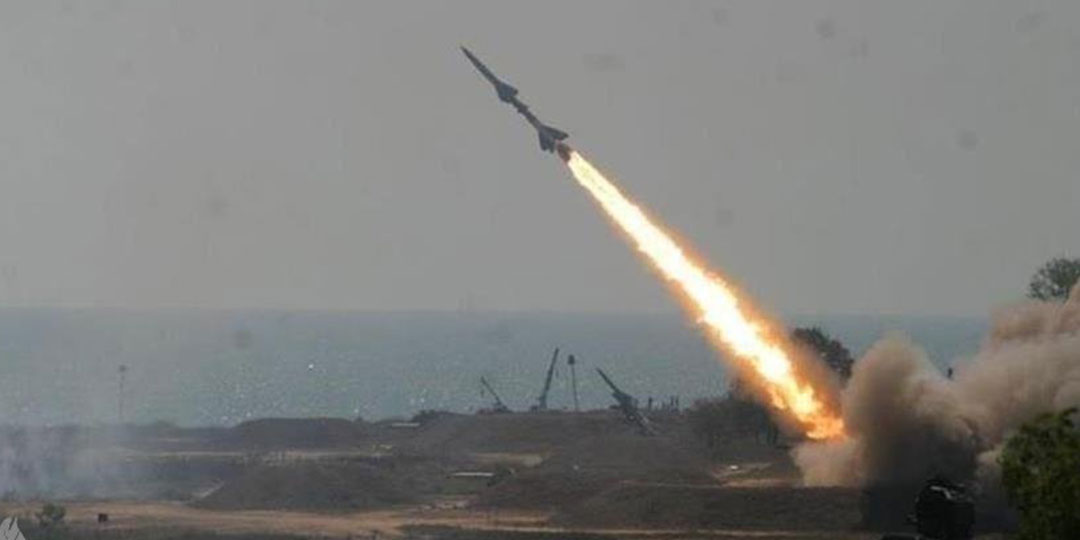

Tasnim News Agency reported on Tuesday that Iran’s armed forces have launched a “decisive operation” in response to the U.S. attack, marking a fresh escalation in an already volatile regional standoff. At the same time, media reports said Iranian missiles were launched toward U.S. bases in the region, while U.S. Central Command said it had begun strikes on IRGC targets inside Iran.
The development came as U.S. President Donald Trump said the current strikes on Iran were strong and wide-ranging, adding that a larger attack was still to come and that the United States was continuing strikes on Iranian targets near the Strait of Hormuz.
Tehran Announces Its Response
Tasnim Says a “Decisive Operation” Has Begun
Tasnim said a “decisive operation” by Iran’s armed forces had started in response to the U.S. attack, adding that American bases and interests in the region would be targeted with Iranian missiles and drones. The announcement signals a more dangerous phase in the confrontation, with both sides trading direct military threats.
Reports of Missiles Fired at U.S. Bases
Media reports also said Iranian missiles were fired toward U.S. bases in the region, although details about the targets and possible damage were not immediately clear. The situation remained tense as military statements continued to come from both sides.
Washington Confirms Strikes Inside Iran
Centcom Targets the IRGC
U.S. Central Command said it had begun strikes on targets belonging to Iran’s Islamic Revolutionary Guard Corps inside Iran. In a statement cited by the Iraqi News Agency, Centcom said the strikes came after recent attempts by the IRGC to target shipping traffic in the Strait of Hormuz, as well as after attempts it said were made against U.S. military personnel in the region.
The U.S. account frames the strikes as a direct response to Iranian actions, with particular focus on maritime security in the Strait and the safety of American troops.
Trump Calls the Strikes Strong and Wide-Ranging
President Donald Trump said the strikes on Iran were “strong and wide-ranging,” adding that “the bigger attack is still ahead.” He also said the United States was “right now” carrying out strikes on Iranian targets near the Strait of Hormuz, reinforcing the message that the operation was still ongoing.
The Strait of Hormuz at the Center of the Escalation
A Critical Maritime Chokepoint
The Strait of Hormuz sits at the center of the current escalation because of its strategic importance to global trade and energy flows. Any threat to navigation there immediately affects oil markets and maritime security across the Gulf and beyond.
Washington says its strikes were a response to Iranian attempts to target the Strait and U.S. forces, while Tehran says the U.S. attack requires a direct response against American bases and interests in the region.
Risk of a Wider Exchange
With both sides announcing or reporting military action, the confrontation appears to be entering a more dangerous phase that could lead to further retaliation. That could have direct consequences for regional security, especially in the Gulf.
Conclusion:
The standoff between Iran and the United States is moving to a more dangerous level after Tehran said it had launched a decisive operation in response to the U.S. attack, while Washington confirmed strikes on IRGC targets inside Iran. With reports of Iranian missiles aimed at U.S. bases, the situation remains highly volatile in one of the world’s most sensitive regions.