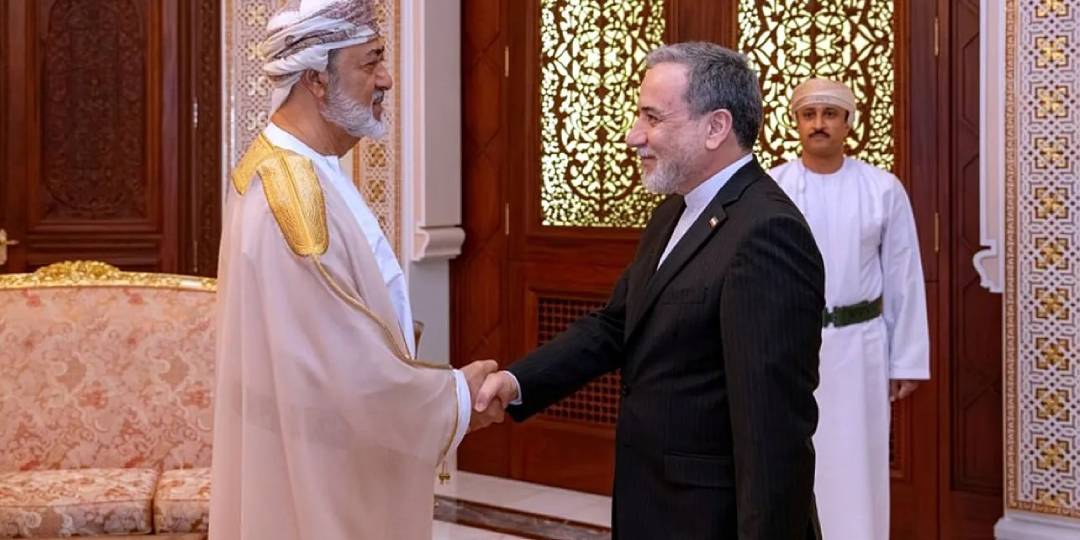

Omani Foreign Minister Bader bin Hamad bin Hamoud Al-Busaidi reported conducting productive discussions with Iranian Foreign Minister Abbas Araghchi regarding developments in the strategic Hormuz Strait. Al-Busaidi emphasized the importance of coordination and cooperation between the two nations on this vital file, affirming Oman and Iran’s shared responsibility as coastal states toward the international community, particularly regarding maritime safety and stability in the Hormuz Strait. The discussions reflect broader regional concerns about maintaining free passage and preventing military escalation in this critical waterway.
Simultaneously, Iranian Foreign Ministry announced that Foreign Minister Araghchi departed Pakistan for Russia leading a diplomatic delegation to continue consultations. Araghchi will discuss bilateral relations and regional and international developments with senior Russian officials. The diplomatic movements reflect expanded Iranian efforts across multiple regional and international levels to secure support and promote dialogue on critical regional issues.
Omani-Iranian Discussion on Hormuz Strait Security
The two foreign ministers conducted substantive discussions on the sensitive file. Al-Busaidi stated: “I conducted productive discussion with my Iranian counterpart regarding the situation in the Hormuz Strait.”
He emphasized importance: “Affirming the importance of coordination and cooperation between the two countries on this vital file.”
Focal Points of Omani-Iranian Discussion
The discussion covered multiple issues:
- Maritime Safety: Protection of commercial vessels
- Regional Stability: Prevention of military escalation
- Bilateral Cooperation: Joint action between nations
- International Commitments: Compliance with international law
- Shared Interests: Issues affecting coastal states
Shared Responsibility of Oman and Iran as Coastal States
Al-Busaidi emphasized mutual responsibility. He stated: “Oman acknowledges its shared responsibility with Iran, as two coastal states, toward the international community, particularly regarding maritime safety and stability in the Hormuz Strait.”
This position reflects:
- Recognition of coastal states’ important role
- Commitment to international law
- Responsibility toward international community
- Necessity to maintain safe navigation
International Commitments of Coastal States
Commitments include:
- Freedom of Navigation: Ensuring strait remains open
- Maritime Safety: Protection of vessels from attacks
- Law Compliance: Respect for international maritime law
- Regional Cooperation: Collaboration with other states
- Collective Responsibility: Shared security responsibility
Strategic Importance of Hormuz Strait
The strait holds paramount importance:
Economic Importance:
- 30% of global oil supplies
- Vital international trade routes
- Billions of dollars in daily trade
Geopolitical Importance:
- Strategic location between Iran and Gulf
- Regional power balance center
- International competition point
Security Importance:
- Maritime transport safety
- Global energy stability
- Prevention of maritime collisions
Araghchi’s Expanded Diplomatic Movements
Araghchi departed Pakistan for Russia continuing consultations. Iranian Foreign Ministry announced: “Foreign Minister Abbas Araghchi departed Pakistan for Russia leading a diplomatic delegation to continue consultations.”
It added: “Araghchi will discuss bilateral relations and regional and international developments with senior Russian officials.”
Map of Araghchi’s Diplomatic Tour
The tour reflects expanded diplomatic pathway:
Previous Stops:
- Muscat (meeting Sultan Haitham)
- Islamabad (Iran-US negotiations)
- Saudi Arabia (regional consultation)
Current Stop:
- Russia (international dialogue)
Possible Future Stops:
- Additional regional countries
- Additional international rounds
Agenda for Russian-Iranian Consultations
Consultations will focus on multiple issues:
Bilateral Relations:
- Economic cooperation
- Military and security cooperation
- Commercial exchange
- Joint investments
Regional Developments:
- Gulf crisis
- Iranian nuclear file
- Hormuz Strait
- Regional stability
International Developments:
- Iran-US confrontation
- Russian positions
- New international balance
- International consultations
Russia’s Role in Iranian Consultations
Russia plays important role:
As International Power:
- Significant global influence
- Potential diplomatic support
- Shared regional interests with Iran
In Iranian File:
- Potential mediation
- Support for Iranian position
- Opposition to US sanctions
In Regional Stability:
- Balance against American power
- Support for diplomatic dialogue
- Prevention of military escalation
Shared Russian-Iranian Interests
Shared interests include:
- Energy: Oil market cooperation
- Security: Regional alliances
- Trade: Commercial expansion
- Politics: Opposition to American hegemony
- Investment: Joint projects
Multi-Level Diplomatic Efforts
These movements reflect multi-level efforts:
Regional Level:
- With Oman and Saudi Arabia and Gulf states
- With Islamic states
- With Arab states
International Level:
- With Russia and China
- With European states
- With international organizations
Bilateral Level:
- With United States (through mediators)
- With allied states
- With neutral states
Oman’s Role as Diplomatic Mediator
Oman plays essential mediation role:
Geographic Location:
- On Gulf coast
- Far from direct conflicts
- Strategic negotiation position
Neutral Policy:
- Good relations with all parties
- Strong international reputation
- Confidence from all sides
Diplomatic History:
- Experience in mediation
- Previous successful dialogues
- Established communication channels
Expectations From Russian-Iranian Consultations
The consultations may lead to:
Positive Possible Results:
- Russian support for Iranian position
- Russian pressure on United States
- Iran-Russia convergence
- Improved bilateral relations
Negative Possible Results:
- Lack of common vision agreement
- Continued international tension
- Unresolved fundamental differences
Middle-Ground Results:
- Partial agreements
- Improved mutual understanding
- Gradual improvement
Broader Context of Diplomatic Efforts
These developments occur within wider context:
Immediate Context:
- Iran-US confrontation ongoing
- Regional instability increasing
- Need for diplomatic solutions
Broader Context:
- Shifting international power dynamics
- Regional realignment processes
- Competition for influence
Strategic Context:
- Energy security concerns
- Maritime traffic freedom
- International law compliance
Conclusion:
The current developments reflect clear expansion of Iranian diplomatic efforts across multiple regional and international levels. The Omani-Iranian discussion on Hormuz Strait security indicates the importance of this sensitive file and the necessity of cooperation between coastal states. Araghchi’s travel to Russia reflects Iranian attempts to secure international support for its position.
Iran pursues a balanced diplomatic strategy combining military pressure with diplomatic mediation efforts. The discussion with Oman signals the importance of regional cooperation. The Russian visit reflects attempts to gain international support for Iran’s position in the current crisis with the United States. Coming days will determine whether these efforts yield results leading to peaceful settlement or continued regional and international tensions persist.