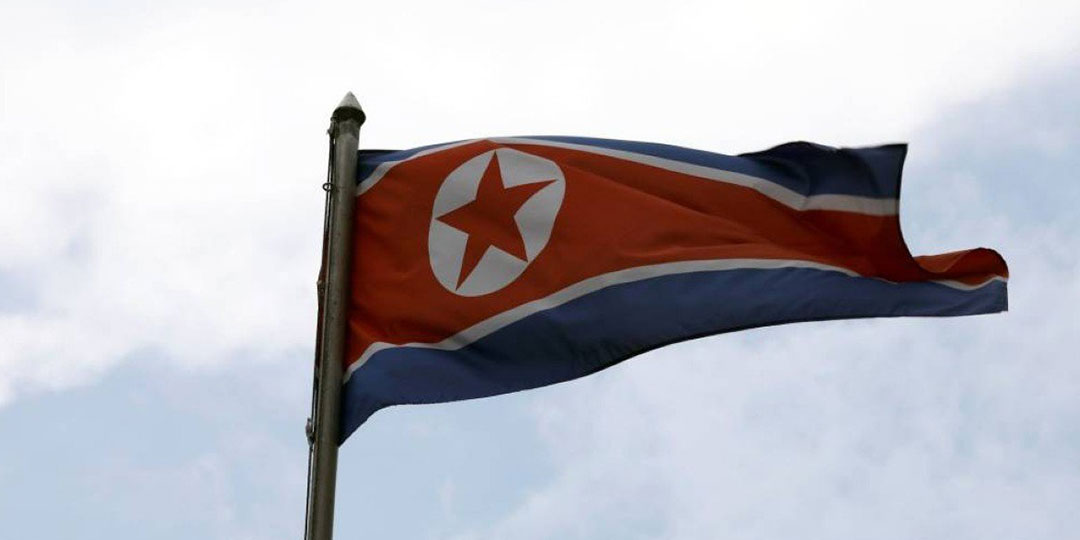

North Korea’s Foreign Ministry rejected American accusations of involvement in cybercriminal activities and electronic hacking operations designed to generate illicit revenue, dismissing the allegations as “ridiculous fabrications.” The United States has accused Pyongyang of operating a sophisticated cyber warfare program responsible for stealing billions of dollars in digital assets in recent years, converting cyber theft into a major source of foreign currency amid severe international sanctions.
The denial reflects North Korea’s consistent response pattern to international allegations regarding its cyber activities.
North Korea’s Formal Denial
In a statement released by North Korea’s Central News Agency, an unnamed Foreign Ministry spokesman stated that the American government “attempts to spread a false understanding” of North Korea, “speaking of an ‘electronic threat’ that does not exist.”
The statement further declared: “This is nothing but ridiculous fabrication to distort the image of our country through spreading false information for political purposes.”
According to the Foreign Ministry, American accusations represent an attempt to justify Washington’s “hostile policies” toward North Korea.
Key points of North Korea’s response:
Denial of cyber warfare program existence
Rejection of “electronic threat” characterization
Accusation that US spreads false information
Claim that charges aim to distort North Korea’s image
Statement that allegations serve political purposes
American Accusations and Evidence
The United States has accused North Korea of operating a sophisticated cyber warfare program responsible for stealing billions of dollars from digital assets. Washington claims the cyber theft operations serve as a major source of foreign currency for Pyongyang, particularly important given severe international sanctions.
In April, the US Department of Justice secured convictions against two American citizens for assisting North Korean operatives in obtaining remote work positions at American technology companies. These positions allegedly enabled the diversion of millions of additional dollars to North Korean weapons programs.
Scale of Alleged Operations
American authorities announced that more than 100 American companies were targeted, including companies listed on Fortune magazine’s rankings, in a fraud operation spanning years.
John Eisenberg, Assistant Attorney General for National Security, stated that the scheme “placed North Korean IT employees on payroll lists of American companies without their knowledge.”
The scope of alleged operations includes:
More than 100 American companies targeted
Multiple Fortune 500 companies compromised
Years-long fraudulent operation
Millions of dollars diverted to weapons programs
Remote employment scheme for North Korean operatives
UN Estimates of Cryptocurrency Theft
A UN committee estimated in 2024 that North Korean cyber attacks since 2017 enabled theft of more than $3 billion in cryptocurrency.
According to the UN assessment, stolen funds are utilized to finance development of weapons of mass destruction programs.
North Korea’s Cyber Warfare History
North Korea’s cyber warfare program dates to at least the mid-1990s. One cybersecurity firm has characterized North Korea as “the world’s most prolific internet thief.”
The program’s longevity and scope suggest sustained investment by Pyongyang in cyber capabilities despite international isolation.
Financial Dependence on Cyber Theft
International sanctions have severely restricted North Korea’s access to foreign currency through conventional trade channels. The cyber theft operations appear to serve as a critical alternative revenue source for the regime.
This dependence on cybercrime for foreign currency financing reflects both the effectiveness of international sanctions in blocking legitimate economic activity and North Korea’s adaptation to economic pressure through illegal means.
Strategic Implications of Cyber Accusations
American accusations of North Korean cyber warfare represent part of broader efforts to isolate and pressure Pyongyang. The public revelation of cyber operations aims to expose North Korea’s reliance on criminal activity and strengthen international coalition against North Korean cyber threats.
Pattern of North Korean Denials
North Korea consistently denies international allegations regarding its cyber activities, nuclear weapons programs, human rights abuses, and other controversial activities. The standard response pattern involves dismissing accusations as “fabrications,” “lies,” or attempts to demonize the regime.
This denial pattern appears designed to maintain domestic narrative control and international messaging consistency rather than to persuade outside observers.
Weapons Development and Cyber Revenue
According to American and UN assessments, revenue from cyber theft directly supports North Korea’s weapons development programs, including nuclear and missile capabilities. This connection between cybercrime and weapons development makes cyber operations strategically significant for Pyongyang.
Conclusion:
North Korea’s rejection of American cyber crime allegations represents a consistent denial pattern in response to international accusations. Despite mounting evidence from American law enforcement, UN assessments, and cybersecurity experts, Pyongyang continues to deny involvement in cyber operations that intelligence agencies assess generate billions of dollars for regime weapons programs.