
Israeli airstrikes on eastern Lebanon’s Baalbek district killed at least nine people on Friday as the conflict between Israel and Iran-backed Hezbollah intensified into its fifth day. Lebanon’s health ministry confirmed the toll in the town of Nabi Sheet, where at least 17 people were also wounded in a preliminary count. The ministry stated that rescue and debris removal operations were ongoing to locate missing persons.
The strikes represent a significant escalation of Israeli military operations across Lebanese territory, with reports indicating at least 12-13 separate airstrikes targeted the Baalbek area alone. The incident coincides with renewed ground combat along the Lebanon-Syria border, where Hezbollah fighters engaged Israeli forces attempting landing operations in the region.
Ground Operations and Border Clashes
On Saturday, Lebanese official media reported clashes erupted as Israeli forces launched a landing operation along the Lebanon-Syria border. Hezbollah confirmed its fighters were directly engaged in the confrontation.
The state-run National News Agency (NNA) reported that clashes were taking place in the eastern mountain range along the Lebanese-Syrian border as Hezbollah fighters worked to repel what it described as Israeli landing attempts. Hezbollah said its fighters had observed the infiltration of four Israeli Army helicopters approaching from Syrian airspace.
Once the Israeli troops landed and advanced toward Nabi Sheet cemetery, Hezbollah stated that a group of its fighters engaged the force using light and medium weapons. According to the militant group’s account, the clash escalated after the Israeli force was detected, prompting intense strikes and a subsequent Israeli troop withdrawal. Hezbollah claimed its fighters fired rockets as the Israeli forces retreated from the area.
Broader Escalation Across Lebanon
The strikes on Nabi Sheet are part of a wider Israeli military campaign across southern and eastern Lebanon. Additional strikes were reported in other populated areas, including Sidon and Tyre, where five people were killed in Sidon according to Lebanese health authorities.
Lebanese state media reported renewed Israeli strikes on Beirut’s southern suburbs Friday afternoon, following night raids that caused significant damage. Following Israeli evacuation warnings, residents fled the area en masse, a stark indication of civilian displacement and humanitarian concerns.
The overall death toll from Israeli military operations across Lebanon since Monday has reached at least 217 people killed and 798 wounded, according to Lebanese authorities. Over 95,000 people have been displaced.
Israeli Military Operations and Claims
The Israeli military reported conducting 26 waves of strikes on Beirut’s southern suburbs over four days. Israeli officials claimed to have killed over 70 members of Hezbollah during the campaign.
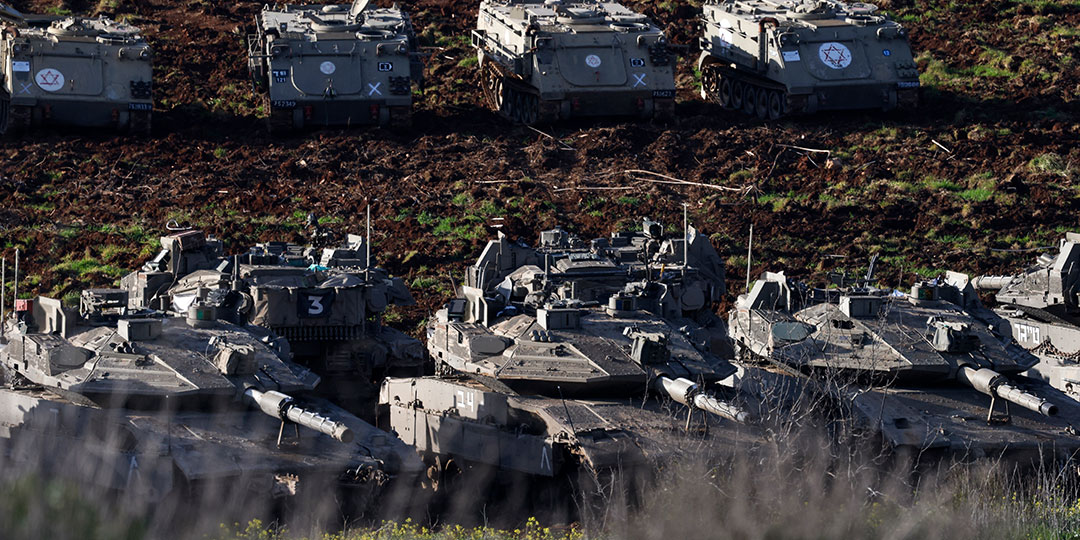
The military said Hezbollah had fired approximately 70 rockets toward Israel since midnight Thursday, with the group having launched coordinated attacks with Iran on Thursday. Israeli forces have expanded their presence in southern Lebanon following an order from the Israeli army chief to deploy and extend control across the region.
International Response and UN Concerns
The conflict has drawn international attention, particularly after UN peacekeepers came under attack. Three UN peacekeepers from Ghana’s UNIFIL battalion were wounded when their base in Qawzah, southern Lebanon, was struck by two missiles on Friday. The Ghanaian military reported that two soldiers were critically injured while a third was traumatized. The officers’ mess facility was completely destroyed.
Neither UNIFIL nor the Ghanaian military specified the source of the attack, though both announced investigations into the incident. UNIFIL stated that targeting UN peacekeepers performing UN Security Council-mandated tasks is unacceptable.
Lebanese President Joseph Aoun condemned Israeli attacks on Lebanon, stating they “continue to escalate” and have “even reached the point of a direct assault on UNIFIL.” French President Emmanuel Macron similarly condemned the “unacceptable attack” on the UN force, emphasizing France’s commitment to preventing further conflict expansion in the region.
Humanitarian Crisis Deepens
The escalation has triggered a severe humanitarian emergency. After Israeli evacuation warnings on Thursday, an estimated 600,000 to 800,000 residents from Beirut’s southern suburbs fled the area. Many civilians remain sheltered in makeshift locations across central Beirut, unable to access basic services.
Residents described scenes of chaos and displacement. One resident, Mohammad (39), returned to his home just before the Israeli evacuation warning only to find “total chaos.” Another displaced resident, Fatima al-Masri (45), sheltering in Beirut’s Martyrs’ Square for four days, described conditions lacking food, water, and sanitation facilities.
Prime Minister Nawaf Salam warned international ambassadors that the humanitarian and political consequences of this displacement “may well be unprecedented.”
Regional Context and Trigger
The current escalation began on Monday after Hezbollah launched missiles at Israel to avenge the killing of Iranian Supreme Leader Ali Khamenei. On Monday, the Lebanese government banned Hezbollah’s military activities in response.
Hezbollah has announced continued operations, including claims of attacks on northern Israeli locations such as a naval base in Haifa and Israeli border posts. The group also claimed to have targeted a cluster of Israeli vehicles advancing toward the town of Khiam (approximately four miles from the border) on Friday, forcing them to retreat.
Conclusion:
As the Israel-Hezbollah conflict enters its sixth day, Lebanon faces mounting casualties, mass displacement, and direct attacks on international peacekeeping forces. The escalation underscores the country’s precarious position amid the broader Middle East regional tensions, with civilian infrastructure and UN operations increasingly in the crossfire. Humanitarian conditions continue to deteriorate across affected areas.