
Wall Street Journal revealed today that United States and Israeli entity preparing to launch strikes on Iran next week. The newspaper reported from informed American officials and regional mediators that Iran’s negotiating position remains largely unchanged from previous failed rounds. The revelation came days after President Trump canceled scheduled Tuesday strikes citing positive negotiating developments. Simultaneously, US Senate approved resolution limiting Trump’s war powers against Iran, marking first Democratic breakthrough after seven failed attempts.
Developments reflect growing complexity in Iranian issue.
Wall Street Journal reveals military preparation plans
“Wall Street Journal reported from informed sources that United States and Israeli entity preparing to launch strikes on Iran next week.”
The newspaper “reported from regional mediators and informed American officials that Iran’s position in talks remained largely unchanged.”
It noted “previous rounds failed achieving progress toward agreement.”
Military preparation details
Include:
US strike preparation
Israeli simultaneous readiness
Next week as target timing
Coordinated possible strikes
Iran’s negotiating position unchanged
The newspaper stated: “Iran’s position in talks with United States remained largely unchanged from previous rounds.”
It noted “previous rounds failed achieving progress toward agreement.”
It said this “raises questions about possibility finding conflict exit.”
Failed negotiation indicators
Point to:
No change in Iranian positions
Repeated failure of previous rounds
No real progress achieved
Doubts about agreement
Trump’s cancellation of previous strikes
The newspaper stated: “President Donald Trump announced canceling military strikes scheduled for Tuesday.”
Trump pointed to “positive developments on negotiation table.”
The cancellation came “in light of these developments.”
Trump’s strike postponement decision
Included:
Cancellation of scheduled strikes
Tuesday strike postponement
Response to positive developments
Reaffirming negotiation option
Cited positive developments
Trump refers to “positive developments on negotiation table.”
But the report questions “reality of these developments.”
It noted “Iran’s actual position unchanged.”
Contradiction between statements and reality
Shows:
Trump statements about positive progress
Journalistic report denying these developments
No change in Iranian position
Indicators of continued disagreements
Timeline of events
Reflects:
Trump’s strike cancellation
Wall Street Journal disclosure
New strike preparations next week
Unstable situation
Future prospects
Point to:
Likely imminent strikes
Continued negotiation failure
Expected military escalation
Unclear peaceful solution
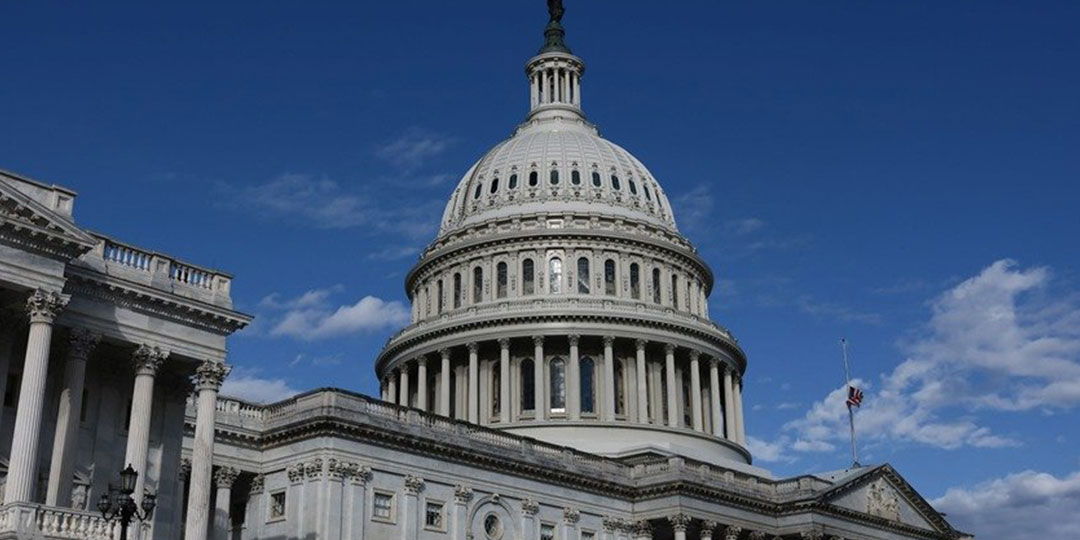
Senate approves resolution limiting Trump’s war powers
“US Senate voted on resolution limiting President Donald Trump’s authority to conduct military operations against Iran.”
The vote came “in step considered first Democratic breakthrough after seven previous unsuccessful attempts.”
It represented “important political development.”
Voting results
Included:
Senate approval
Resolution passage
First Democratic success
Divided Republican support
Detailed voting results
The news stated: “Senate voted on resolution referral from committee with 50 votes in favor versus 47 against.”
It added “four Republicans joined Democrats supporting proceeding.”
It noted “John Fetterman sole Democrat voting against resolution.”
Vote distribution and divisions
Showed:
50 votes supporting resolution
47 votes opposing
4 Republicans with Democrats
One Democrat opposing
Republicans supporting resolution
The news stated: “Four Republicans Susan Collins, Lisa Murkowski, Rand Paul, and Bill Cassidy joined supporting Democrats.”
Their support “comes after years opposing such resolutions.”
It reflects “important political development.”
Reasons for position changes
May include:
Public pressure
Ideological convictions
Party differences
Political criticism
Bill Cassidy’s unique position
The news stated: “This vote represents first time Cassidy supports resolution concerning war powers.”
His support “comes days after failing reach runoff in Republican primary.”
It added “where Trump supported one of his opponents.”
Cassidy’s political context
Reflects:
Electoral failure
Political pressure
Strategic shift
Political score settling
Republicans abstaining from voting
The news stated: “Three Republicans John Cornyn, Tommy Tuberville, and Tom Tillis abstained from voting.”
Their abstention “helped Democratic side prevail for first time.”
It reflected “unwillingness to openly support resolution.”
Abstentions and their impact
Led to:
Facilitated resolution passage
Avoided open voting
Prevented direct Trump confrontation
Middling position
Resolution success importance
Reflects:
Republican division
Unified Democratic support
First breakthrough after seven failures
Important political shift
Political implications
Point to:
Weakened Trump position
Republican Party division
Democratic movement strength
Changed political balances
Iran conflict context
The resolution clarifies:
Congressional concern about war
Desire limiting presidential authority
Public support for escalation halt
Disagreement on Iran policy
Resolution’s stated objectives
Include:
Limiting Trump’s authority
Preventing unilateral military operations
Requiring congressional approval
Protecting constitutional democracy
Expected resolution effects
May include:
Practical Trump restrictions
Difficulty launching new operations
Strengthened congressional role
Changed political balances
Political and military future
Relates to:
Resolution implementation extent
Trump’s response
Military events development
Negotiations course
Broader policy implications
The developments indicate:
Increased policy complexity
Military readiness planning
Congressional resistance
Negotiation continuation
Strategic considerations
Include:
Balancing military and diplomatic options
Congressional oversight importance
International implications
Long-term consequences
International response expectations
May include:
Regional mediator involvement
International community attention
Israeli coordination details
Escalation prevention efforts
Diplomatic channels
Should involve:
Direct negotiations
Regional mediators
International pressure
Crisis management
Conclusion:
Recent Iran-related events reflect increasing complexity in American policy and military strategy. Wall Street Journal disclosed new military preparations while Trump announced canceling previous strikes. This occurs while Senate approves resolution limiting Trump’s military authority. The situation indicates unclear American policy toward Iran with likely military escalation continuation. The future requires clarifying US course between military option and peaceful negotiations, balancing congressional oversight with executive authority, and preventing further regional destabilization. The competing signals from Trump administration and Congress create uncertainty affecting regional stability and international relations.