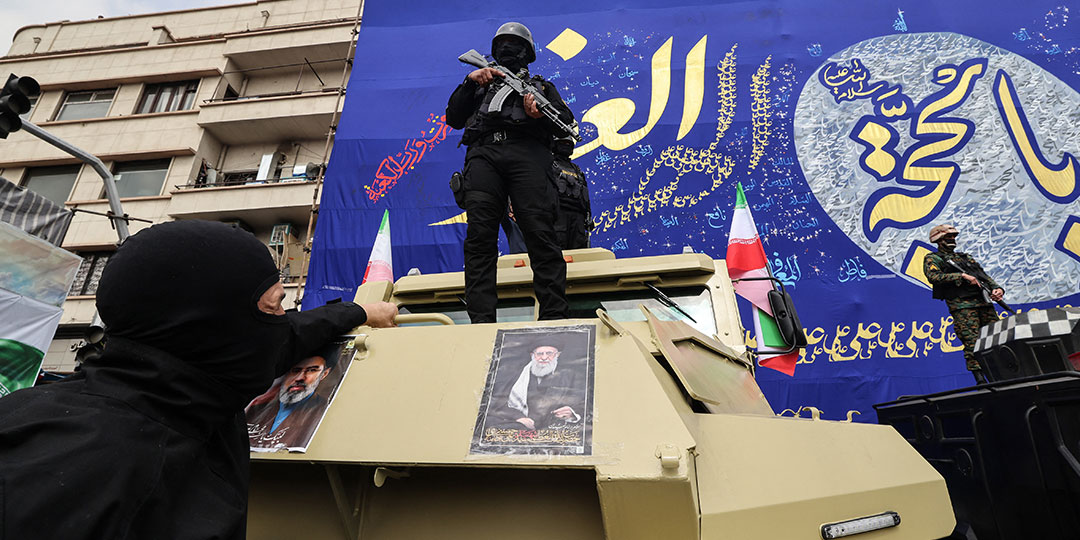

Israel launched a new phase of its military campaign on March 11, initiating what its military described as a “wide-scale wave of strikes” targeting Iranian government infrastructure across the country while simultaneously striking Hezbollah targets in Lebanon’s capital, Beirut. The escalation marks the 12th day of the US-Israeli war against Iran that began on February 28. As military operations intensify, the humanitarian toll in Lebanon continues to rise sharply, with the Lebanese health ministry reporting 570 people killed since the conflict spread to the country on March 2. The demographic breakdown of casualties reveals 439 men, 45 women, and 86 children among the dead, including 14 healthcare workers. The mounting death toll underscores the expanding civilian impact of the conflict as military operations extend across multiple nations.
Israel Announces New Wide-Scale Strike Campaign
The Israeli military announced on March 11 that it had commenced a new “wide-scale wave of strikes” targeting what it characterized as “Iranian terror regime infrastructure” across Iranian territory. The announcement indicated that Israel was escalating its air campaign against Iran beyond previous phases of operation, shifting toward more extensive and coordinated strike operations. The timing of the announcement, coinciding with the 12th day of the broader US-Israeli military campaign against Iran, suggested a deliberate intensification of the conflict’s military dimension.
The military statement did not specify particular targets or damage assessments, but the terminology of “wide-scale” indicated that the operation involved multiple objectives across a broader geographic area than previous Israeli strikes. The announcement came as Iran was processing the impact of the 140-missile barrage it had launched earlier on March 11, suggesting that Israel’s response involved both rapid decision-making and significant operational capability to execute large-scale strike campaigns despite active Iranian defensive operations.
Israeli Strikes Target Hezbollah Infrastructure in Beirut
Beyond operations within Iran, Israel also announced that it was striking Hezbollah military and support infrastructure located in Lebanon’s capital, Beirut. The targeting of Hezbollah positions in Beirut represented a continuation of Israel’s strategy of degrading the militant organization’s operational capacity through sustained air strikes against command centers, weapons storage facilities, and support installations throughout Lebanese territory.
The expansion of strikes into Beirut underscores the geographic scope of the Israeli military campaign, which now encompasses both direct operations against Iranian targets within Iran and coordinated strikes against Iranian-aligned groups throughout the region. The dual operation against both Iran and Hezbollah reflects the interconnected nature of Israel’s strategic objectives in the conflict, treating the war not as a bilateral Israeli-Iranian engagement but as a broader campaign against Iranian military capabilities and aligned militant organizations across multiple nations.
Lebanese Health Ministry Reports 570 Deaths Since March 2
The Lebanese health ministry released an updated casualty assessment on March 11, confirming that 570 people had been killed in Israeli strikes since the war expanded to Lebanon on March 2. The ministry provided a detailed demographic breakdown of the casualties, reporting that 439 of those killed were men, 45 were women, and 86 were children. The significant proportion of male casualties reflects the concentration of military and militant personnel among the dead, though the inclusion of 45 women and 86 children demonstrates the operation’s civilian toll.
The health ministry’s accounting also documented that 14 healthcare workers were among the dead, indicating that Israeli strikes had targeted or incidentally struck medical personnel and potentially medical facilities. The inclusion of healthcare workers in casualty counts suggests either direct targeting of medical infrastructure or strikes occurring in proximity to medical facilities where healthcare workers congregated. The death of healthcare workers during conflict operations carries particular significance under international humanitarian law, which provides specific protections for medical personnel and facilities.
Expanding Humanitarian Crisis
The rising death toll in Lebanon reflects the intensifying nature of the conflict and its expanding humanitarian dimensions. With 570 deaths occurring over a nine-day period from March 2 to March 11, the rate of casualties has averaged approximately 63 deaths per day. The demographic composition of casualties, including substantial numbers of children and women, indicates that civilian populations are bearing a significant proportion of the conflict’s costs despite Israeli claims of precision targeting of military objectives.
The death of 14 healthcare workers during this period suggests that medical infrastructure and personnel have been affected by the military operations, potentially hampering the civilian population’s access to medical care during an active conflict. The Lebanese health ministry’s willingness to provide detailed casualty breakdowns suggests ongoing documentation efforts despite the operational challenges of maintaining accurate records during sustained military operations.
Conclusion:
The events of March 11, 2026, demonstrate the continued military escalation of the US-Israeli war against Iran and its expansion across multiple nations and population centers. Israel’s announcement of new “wide-scale” strikes across Iran, combined with coordinated operations against Hezbollah in Beirut, reflects both the intensity of the military campaign and its geographic expansion. The Lebanese health ministry’s documentation of 570 deaths since March 2 illustrates the humanitarian cost of the conflict’s expansion beyond military facilities to encompass civilian areas, infrastructure, and populations. The convergence of military escalation with rising civilian casualty tolls creates a humanitarian crisis of mounting severity as the conflict enters its second week. Unless diplomatic resolution emerges or military operations are curtailed, the humanitarian toll will likely continue to rise as Israel maintains its stated commitment to continued military pressure on Iran and allied militant organizations throughout the region.