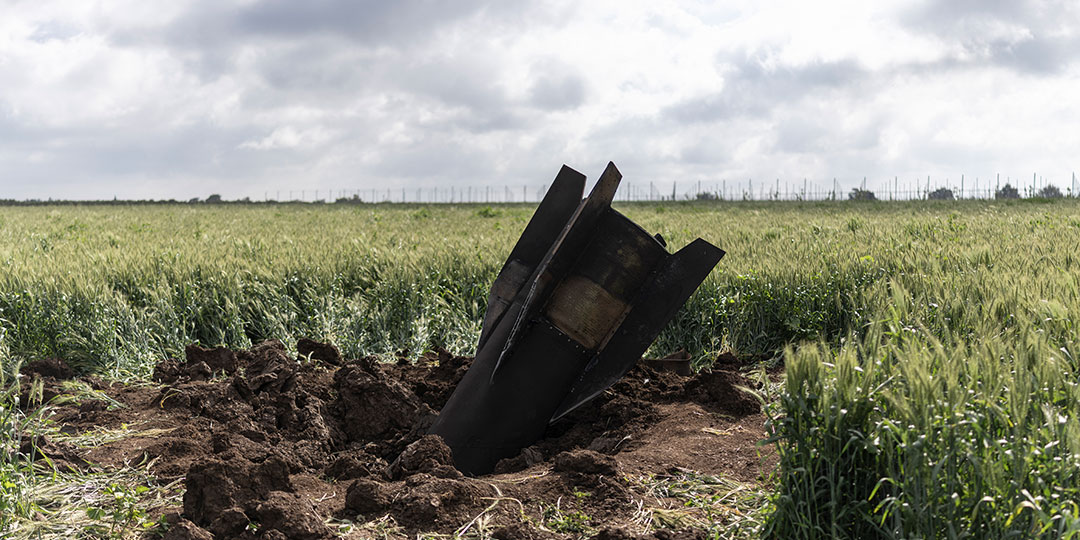

Air raid sirens rang across Israel on Friday morning, including in the commercial center of Tel Aviv and the coastal city of Ashdod, following intense rocket fire from Lebanon as fighting between Israel and Iran-backed Hezbollah continued to escalate. The renewed military operations directly challenge the fragile two-week ceasefire between the United States and Iran announced on Tuesday, which excluded Israel’s conflict with Hezbollah from its terms. The intensifying clashes raise urgent international concerns that the Middle East war could deteriorate further if the fighting is not brought under control through diplomatic channels.
Hezbollah claimed responsibility for multiple waves of rocket and drone strikes launched in the early morning hours against Israeli military positions on both sides of the Lebanese-Israeli border and civilian areas in northern Israel. Israeli defense systems intercepted at least one incoming rocket, with no immediate casualty reports, though the escalation marks a significant test of the ceasefire’s viability and the broader diplomatic efforts to achieve lasting regional peace.
Rocket Fire Reaches Major Israeli Population Centers
Friday’s bombardment extended Israel’s air raid alerts to population centers far from the Lebanon border, signaling the expanded range and intensity of Hezbollah’s military capabilities. The Israeli army’s Home Front Command issued formal alerts for the Tel Aviv metropolitan area and southern communities including Ashdod, reflecting the strategic reach of Hezbollah’s rocket and drone operations.
Hezbollah posted statements on the Telegram messaging platform claiming responsibility for launching three separate waves of coordinated strikes. The group claimed its attacks targeted Israeli military positions along the border as well as the northern Israeli town of Metula, demonstrating deliberate targeting of both military and civilian infrastructure.
Escalation After Heaviest Israeli Strike
The renewed Hezbollah attacks followed Israel’s largest coordinated airstrike campaign against Lebanon since the beginning of military operations on March 2. According to Lebanon’s health ministry, Wednesday’s assault killed more than 300 people and wounded over 1,000 others, making it the deadliest single operation of the conflict. The scale of destruction prompted immediate retaliation from Hezbollah, which labeled Israel’s actions a violation of the US-Iran ceasefire terms.
The tit-for-tat escalation demonstrates how the exclusion of Israel’s Hezbollah conflict from the ceasefire agreement has created a dangerous vacuum where military operations can continue unchecked, threatening the stability of the entire Middle East region.
Israel Orders Evacuation of Beirut Suburbs Amid Hospital Crisis
Israel’s military issued evacuation orders Thursday for Beirut’s southern suburbs, a traditional Hezbollah stronghold, warning residents of imminent strikes. The order extended to the outskirts of Lebanon’s sole international airport, expanding the scope of threatened military operations into civilian infrastructure areas. Israeli military spokesman Avichay Adraee stated in Arabic-language messaging that the IDF would continue striking what it describes as Hezbollah military targets, calling on civilians to leave the area immediately for their safety.
WHO Condemns Evacuation Order Affecting Hospitals
The World Health Organization immediately criticized Israel’s evacuation directive, highlighting the humanitarian crisis it would create. The Jnah district, subject to the evacuation order, contains two major medical facilities: the Rafik Hariri University Hospital, Lebanon’s largest public health facility, and Al Zahraa Hospital. The facilities together serve approximately 450 patients, with all 450 currently receiving intensive care treatment for wounds sustained in Israeli strikes and other war-related injuries.
WHO Director-General Tedros Adhanom Ghebreyesus stated that evacuating intensive care patients was “operationally unfeasible” and that no alternative medical facilities existed to receive them. He urged Israel to reverse the evacuation order and protect all health facilities, health workers, patients, and civilians from attack.
Diplomatic Efforts Face Mounting Pressure
International diplomatic responses accelerated Friday as the escalating military situation threatened to collapse the fragile peace process. The US State Department announced that Israeli and Lebanese government representatives will hold talks in Washington next week to address the Hezbollah situation and prevent further escalation.
Pakistan has positioned itself as a key mediator, insisting that Lebanon must be included in any durable ceasefire agreement. Pakistani officials are prepared to host talks between Iranian and US delegations in coming days to attempt a permanent resolution to the Middle East war beyond the temporary two-week truce currently in effect.
Ceasefire Exclusions Create Legal and Political Ambiguity
A central point of contention remains whether Israel’s operations against Hezbollah constitute violations of the US-Iran ceasefire agreement. Israel maintains that its conflict with Hezbollah was explicitly excluded from ceasefire terms and therefore remains a separate military matter. However, international observers and regional governments argue that limiting the ceasefire’s scope to US-Iranian relations while excluding the largest remaining conflict creates dangerous ambiguity and provides a pathway for the entire regional war to reignite.
The Trump administration has indicated that Israel was “scaling back” strikes on Lebanon to preserve diplomatic progress, yet events on the ground contradict these claims, with Wednesday’s assault representing the largest operation of the entire conflict.
Strategic Implications for Regional Stability
The fighting between Israel and Hezbollah has become the primary threat to the ceasefire’s survival. Hezbollah, designated as a terrorist organization by Israel and the United States, enjoys backing from Iran and has maintained a sophisticated military capability that rivals some national armies. The group’s ability to launch coordinated multi-wave attacks across wide geographic areas demonstrates military capabilities that Israeli defense systems struggle to contain entirely.
Airport Security and Civilian Infrastructure at Risk
Lebanon’s international airport faces particular vulnerability under the current military operations. The facility serves as a critical civilian infrastructure hub for the country’s already devastated economy and humanitarian operations. Lebanese Public Works Minister Fayez Rasamni claimed to have received diplomatic assurances that the airport would be spared from Israeli attacks if operations remained limited to civilian activities. However, such assurances carry limited weight given the unpredictable nature of military escalation.
Lebanese Response and Media Impact
The Lebanese government and media organizations responded to the evacuation orders with alarm. The state-run National News Agency reported multiple Israeli strikes across southern Lebanon, including the strategically significant town of Bint Jbeil, where Hezbollah announced active engagement with Israeli forces. Local television station NBN, affiliated with the Hezbollah-allied Amal political movement, halted programming and evacuated its offices following Israel’s warnings.
Continuing Rocket Fire and Air Defense Operations
More than 20 rocket alerts sounded throughout Thursday morning in communities near the Lebanon border, with visible evidence of interceptions captured in video footage showing rocket trails and smoke plumes in the sky. The Israeli army’s Home Front Command subsequently cleared residents to leave shelters after air raid sirens sounded in multiple northern cities including Haifa, indicating the air defense system successfully intercepted incoming threats.
International Calls for Extended Ceasefire
Growing international pressure has emerged for extending the US-Iran ceasefire to encompass Israel’s conflict with Hezbollah. Diplomats and regional observers argue that a truly sustainable peace requires all major belligerents to be included in ceasefire terms. Pakistan has specifically insisted on this position, using its hosting role for bilateral talks to pressure all parties toward a comprehensive agreement.
Conclusion:
The escalating military conflict between Israel and Hezbollah represents the most significant threat to the fragile US-Iran ceasefire announced earlier this week. While diplomatic channels remain open with planned talks in Washington and Islamabad, the continued intensity of military operations suggests that the current temporary truce lacks mechanisms to prevent further deterioration. The humanitarian crisis created by evacuation orders affecting major hospitals underscores the civilian cost of the conflict. Without rapid diplomatic progress that includes Hezbollah and extends ceasefire protections to the Lebanese theater, the Middle East war risks expanding beyond current parameters and reversing the limited progress achieved through the US-Iran agreement.