
Iran’s Islamic Revolutionary Guard Corps (IRGC) escalated its rhetoric on Thursday by announcing what it described as a successful strike on Al-Azraq Air Base in Jordan, while simultaneously declaring that the Strait of Hormuz will remain closed as long as the United States continues what it called threats and interference in regional maritime traffic.
The two announcements present a coordinated message, combining military pressure against U.S. assets with strategic pressure on one of the world’s most important energy shipping routes.
IRGC Claims Strike on Al-Azraq Air Base
In a statement addressed to the Jordanian people, the IRGC said it had targeted Al-Azraq Air Base, claiming the operation struck aircraft maintenance hangars and fighter deployment facilities used by U.S. forces.
According to the statement, the attack destroyed three F-35 fighter jets, severely damaged three others, and killed several officers, maintenance personnel and technical staff.
Message Directed at Jordan
The IRGC praised what it described as the support of segments of Jordanian society, arguing that such positions had increased pressure on the United States.
It further claimed the operation was carried out in response to what it described as U.S. aggression and as part of its broader regional campaign.
Iran Says Strait of Hormuz Will Remain Closed
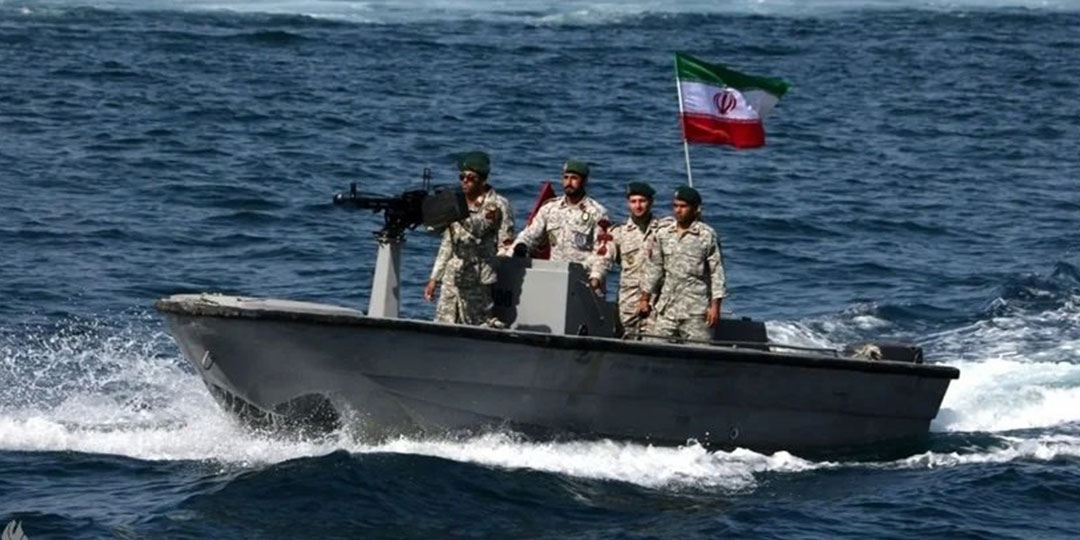
Alongside the military announcement, the IRGC declared that the Strait of Hormuz would remain closed until the United States halts what it described as interference and threats against maritime navigation.
The statement also claimed that two oil tankers attempted to sail through what it called an unsafe route south of the strait before turning back after a fire reportedly broke out aboard one of the vessels.
The IRGC added that its naval forces maintain full control over the strategic waterway.
Warning to Countries Supporting U.S. Operations
The IRGC warned that any country assisting U.S. military activities in the region could face what it described as a “harsh response” unless such support ends.
It also argued that continued foreign involvement would only increase regional instability and complicate maritime security.
Military and Economic Pressure Combined
Taken together, the two announcements suggest that Tehran is presenting both military and economic tools as part of its response strategy.
While the claimed strike targets U.S. military assets, the continued closure of the Strait of Hormuz, according to the IRGC statement, represents pressure on one of the world’s most critical energy transit routes.
A Strategic Escalation
The timing of the two statements indicates an effort to demonstrate that Iran’s response extends beyond direct military action to include leverage over regional trade and global energy flows.
The Strait of Hormuz carries a significant share of global oil exports, making any disruption a matter of international economic concern.
Conclusion:
The IRGC combined military and strategic messaging by announcing a claimed strike on Al-Azraq Air Base in Jordan while linking the reopening of the Strait of Hormuz to an end to what it described as U.S. threats. Together, the statements underscore the broader regional tensions and the potential implications for security and global energy markets.