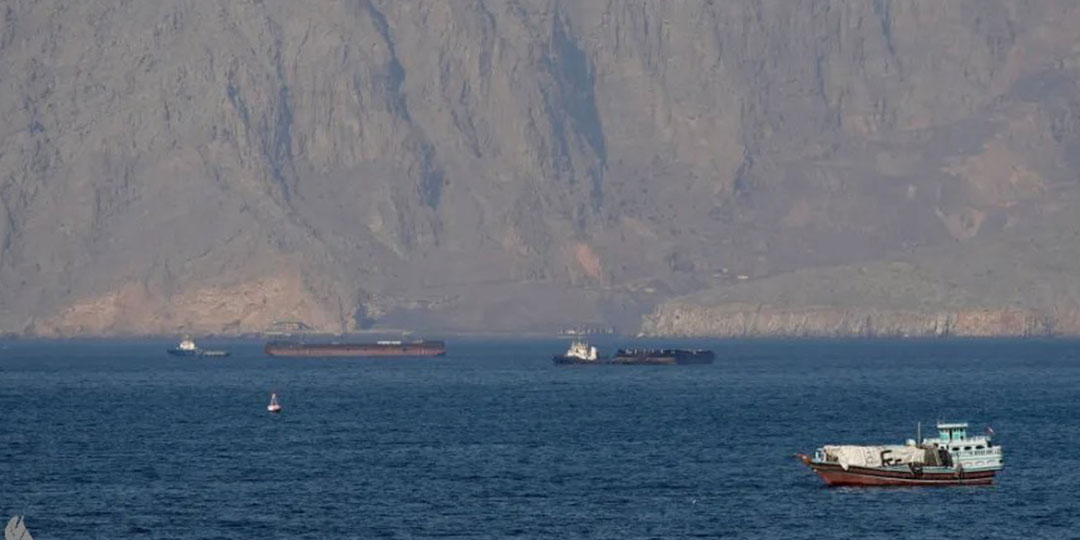

Iran’s Strait of Hormuz Administration said Friday that passage through the strategic waterway is currently impossible, blaming what it described as “hostile actions” by U.S. forces in the region. The announcement came as the Islamic Revolutionary Guard Corps (IRGC) said it had targeted two oil tankers that allegedly attempted to transit the strait through an unauthorized route, underscoring the continuing escalation in one of the world’s most critical maritime corridors.
Iran Links Strait Closure to U.S. Military Presence
The Iranian authority responsible for managing the Strait of Hormuz said maritime transit cannot resume under the current security conditions, adding that requests for passage will only be considered once stability returns to the region.
According to the statement, the current restrictions are directly tied to ongoing military tensions, with Tehran maintaining that normal shipping cannot resume until security conditions improve.
Transit to Resume Only After Stability Returns
Iranian officials said applications for passage through the strait will be reviewed after calm has been restored, without providing a timeline for reopening one of the world’s busiest energy shipping routes.
IRGC Reports Targeting Two Oil Tankers
Shortly after the announcement, the IRGC said its naval forces targeted two oil tankers that allegedly attempted to cross the Strait of Hormuz via an undeclared route early Friday.
According to the statement, the vessels ignored Iranian warnings and were supported by the United States. The IRGC also claimed that four additional oil tankers altered their course and returned to their previous positions following the incident.
The Guard Corps reiterated that the Strait of Hormuz remains closed and that no vessel will be permitted to pass without prior coordination with its naval forces.
Tighter Controls on Maritime Traffic
The IRGC’s statement signals a further tightening of restrictions on shipping through the waterway, emphasizing that future vessel movements will remain subject to Iranian security procedures.
Strait of Hormuz Remains at the Center of Regional Tensions
The latest developments place the Strait of Hormuz once again at the center of regional security concerns due to its strategic importance for global oil exports.
Iran’s decision to maintain shipping restrictions, combined with the reported targeting of oil tankers, is likely to heighten concerns over maritime security and the stability of international energy supplies as tensions between Tehran and Washington continue.
Potential Impact on Global Energy Markets
Any prolonged disruption to shipping through the Strait of Hormuz could have significant implications for global oil markets, potentially increasing supply uncertainty and market volatility if the current escalation continues.
Conclusion
Iran’s declaration that the Strait of Hormuz remains closed, together with the IRGC’s announcement that it targeted two oil tankers, reflects Tehran’s increasingly restrictive approach toward maritime traffic in the strategic waterway. By linking the reopening of the strait to improved regional security while requiring coordination with its naval forces, Iran has signaled that shipping restrictions are likely to remain in place as regional tensions persist.