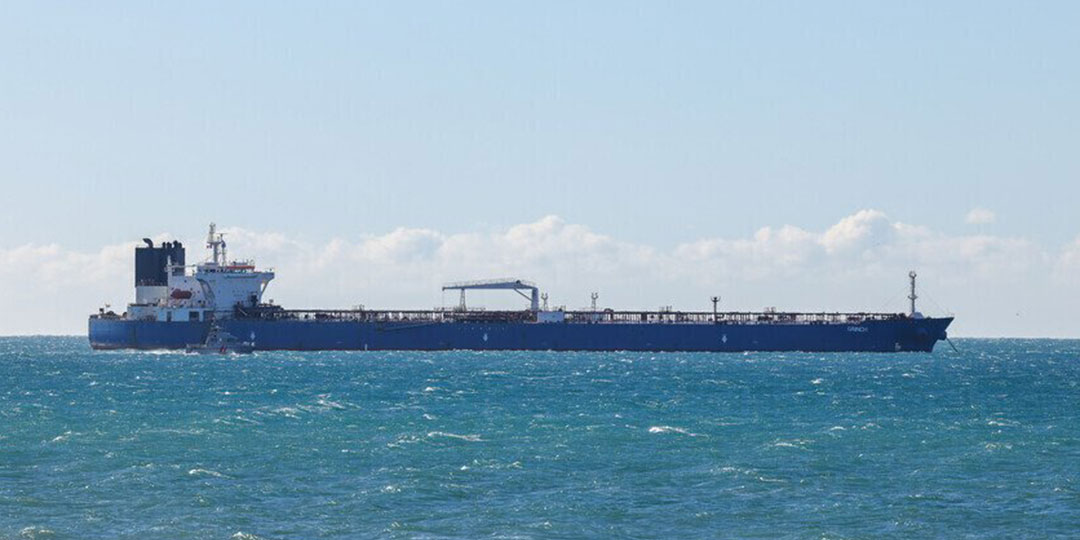

Iranian oil tankers have crossed what was described as a US-imposed maritime blockade, according to the vessel-tracking platform TankerTrackers, marking the first crude exports in nearly two months.
The reported movement comes days before the expected signing of an agreement between Tehran and Washington aimed at easing tensions and reopening shipping routes.
Three Tankers Carrying Millions of Barrels
TankerTrackers said that at least two very large crude carriers (VLCCs) operated by the National Iranian Tanker Company, identified as Diona and Hero 2, exited the blockade zone carrying a combined 3.8 million barrels of Iranian crude.
Later reports indicated that a third tanker, loaded with approximately one million barrels, also departed.
According to maritime sources cited by Press TV, three oil tankers and two additional Iranian commercial cargo vessels successfully crossed international waters after the easing of US maritime restrictions.
These were reportedly the first Iranian crude exports in two months.
Blockade Lifted and Strait of Hormuz Reopened
The development follows US President Donald Trump’s announcement of a memorandum of understanding with Iran and authorization for the “immediate lifting” of the US naval blockade.
Trump also stated that the Strait of Hormuz would be fully reopened to international navigation without additional fees.
The Strait of Hormuz is a key global energy corridor through which a significant share of the world’s oil supply passes.
Oil Prices Remain Under Pressure
Despite the breakthrough, oil prices remained near their lowest levels in three months.
Brent crude was trading below 80 dollars per barrel after falling roughly 15 percent over four consecutive sessions, marking the longest losing streak of the year.
The decline reflects:
– Expectations of resumed Iranian supply
– Reduced geopolitical risk premiums
– Ongoing demand concerns
– Uncertainty about the detailed terms of the agreement
Markets are awaiting clearer implementation timelines before adjusting long-term price outlooks.
International Maritime Security Efforts
French President Emmanuel Macron said that 20 countries have expressed readiness to participate in efforts to safeguard maritime navigation in the Strait of Hormuz.
Speaking on the sidelines of the G7 summit, Macron said the Washington–Tehran agreement could reduce instability in the region and limit broader economic impacts.
He added that international coordination remains essential to protect global trade and energy flows.
Strategic Implications
The reported crossing of Iranian oil tankers signals a potential shift in regional energy dynamics.
Key implications include:
– Gradual normalization of Iranian crude exports
– Reduced pressure on global oil supply chains
– Increased diplomatic coordination on maritime security
– Continued monitoring of compliance with the agreement
While immediate tensions appear to have eased, markets remain cautious as formal implementation proceeds.
Conclusion:
The departure of Iranian oil tankers through previously restricted waters marks a significant development in the evolving US–Iran agreement.
As supply flows resume and the Strait of Hormuz reopens, the coming days will determine whether the détente stabilizes energy markets or introduces new uncertainties.