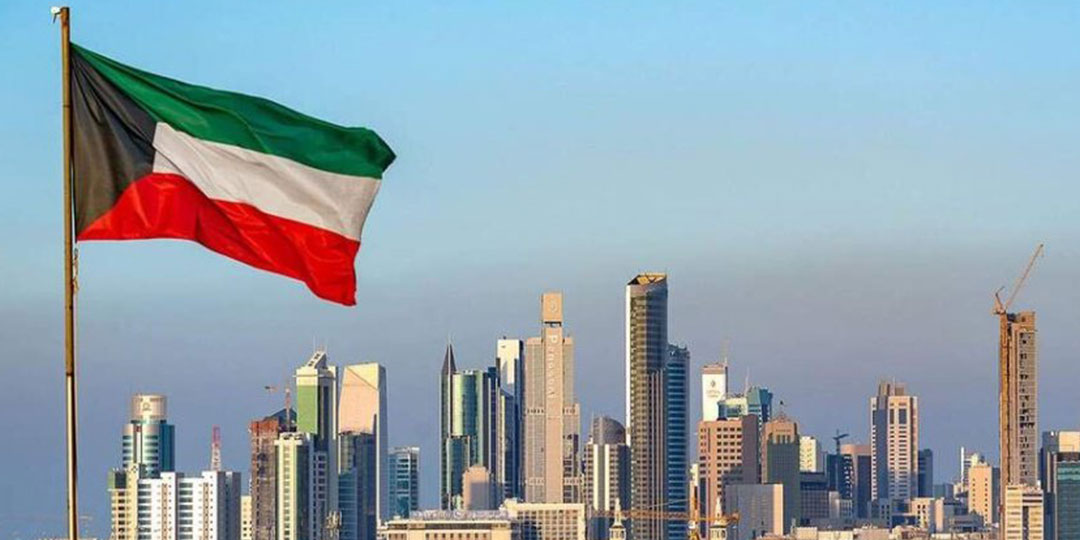

Iranian attacks on Kuwait have been described by Kuwait’s Foreign Ministry as a serious escalation and a flagrant violation of the country’s sovereignty and security.
In an official statement issued on Thursday, Kuwait affirmed that it reserves the full right to take all necessary measures to protect its territory and vital facilities in accordance with international law and the United Nations Charter.
The developments prompted strong condemnations from Saudi Arabia, Qatar, the United Arab Emirates, and the Gulf Cooperation Council.
Kuwait: Clear violation and threat to civilians
Kuwait’s Foreign Ministry stated that the missile and drone attacks constitute a direct threat to civilian lives and critical infrastructure.
The ministry added that the escalation comes at a time when several countries are working to reduce tensions and prevent further instability in the region, warning that such actions undermine diplomatic efforts aimed at preserving regional security.
Kuwait called on Iran to immediately and unconditionally halt what it described as hostile acts and to assume full responsibility for them. The statement characterized the attacks as a grave breach of international law, the UN Charter, and UN Security Council Resolution 2817 of 2026.
Right to self defense under Article 51
The ministry emphasized that Kuwait retains its inherent right to self defense under Article 51 of the United Nations Charter.
It confirmed that relevant authorities are closely monitoring developments and implementing measures necessary to safeguard citizens, residents, and national security.
Saudi Arabia, Qatar, and UAE express solidarity
Saudi Arabia, Qatar, and the United Arab Emirates issued statements condemning the missile and drone attacks targeting Kuwait.
Qatar’s Foreign Ministry described the strikes as a clear violation of Kuwaiti sovereignty and international law, stressing the need to avoid further escalation and to restore stability in the region.
The UAE also condemned the attacks, reiterating its rejection of any actions that threaten the security of states and regional stability.
Saudi Arabia expressed its strong denunciation of what it termed hostile attacks, reaffirming its support for Kuwait in confronting any threat to its security and territorial integrity.
GCC Secretary General condemns continued attacks
Jassim Al Budaiwi, Secretary General of the Gulf Cooperation Council, condemned what he described as the continued Iranian attacks on Kuwait.
He affirmed that GCC member states stand with Kuwait in any measures it may take to safeguard its security and stability.
Key elements of the current situation
The developments highlight several central aspects:
Official Kuwaiti condemnation of missile and drone attacks
Invocation of the right to self defense under international law
Broad Gulf solidarity with Kuwait
Concerns over undermining diplomatic de escalation efforts
Conclusion:
The Iranian attacks on Kuwait have intensified regional tensions, drawing coordinated condemnation from Gulf states and the GCC. Kuwait’s affirmation of its right to respond under international law underscores the seriousness of the situation, as diplomatic and security efforts continue to prevent further escalation.