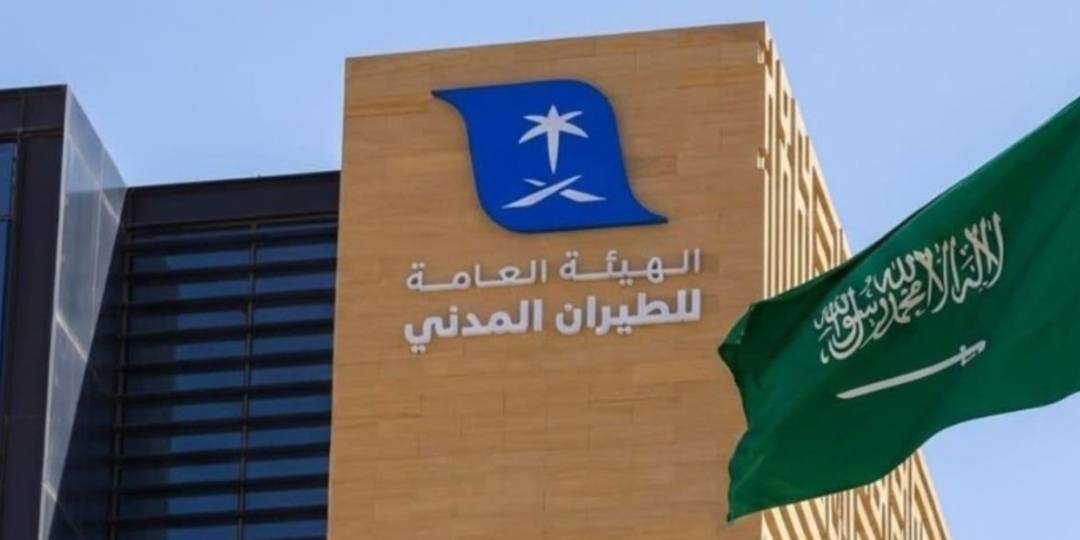

The Saudi General Authority of Civil Aviation (GACA) confirmed on Sunday evening, October 11, 2026, that several people were injured following a fresh attack on King Khalid Airport in Riyadh that struck airport facilities during the afternoon hours. Emergency units immediately mobilized to provide medical assistance and evaluate structural damage across the terminal complex.
The renewed strike comes amid escalating cross-border security challenges affecting civilian transport hubs across the Arabian Peninsula. Aviation inspectors and emergency engineering teams initiated technical reviews to verify runway safety, inspect radar equipment, and assess structural integrity in coordination with internal security agencies.
Concurrently, a major four-nation diplomatic initiative emerged as Saudi Arabia, Egypt, Turkey, and Pakistan issued a joint statement strongly condemning the continued strikes against the Kingdom. The joint communique characterized the repeated assaults as a dangerous military escalation threatening broader Middle Eastern and South Asian regional stability.
Details of the Attack on King Khalid Airport in Riyadh and Safety Audits
In an official communique carried by state media, the Saudi General Authority of Civil Aviation stated that the afternoon strike resulted in multiple injuries among personnel and travelers. Paramedic units rushed to the scene to triage the wounded and transfer severe cases to specialized medical centers for urgent care.
GACA emphasized that comprehensive safety reviews are actively underway across terminal halls, passenger boarding gates, and airfield infrastructure. Authorities noted that regular operational movements remain subject to stringent civil aviation safety protocols to safeguard incoming and outbound flights while assessments conclude.
Immediate Emergency Procedures Enacted at the Airfield
– Activating standardized airport crisis management protocols to secure affected terminal sectors.
– Deploying civil defense teams and ambulances to treat casualties and transport injured individuals.
– Conducting systematic physical inspections of runways, taxiways, and navigation equipment to detect debris.
– Coordinating with domestic and international airlines to manage flight delays and protect passenger transit.
Four Regional Powers Condemn Attacks Against Saudi Arabia
In a unified diplomatic stance, Saudi Arabia, the Arab Republic of Egypt, the Republic of Turkey, and the Islamic Republic of Pakistan released a joint communique expressing firm condemnation of the ongoing strikes targeting Saudi civilian infrastructure. The four governments warned that targeting sovereign facilities undermines regional security and disrupts international commerce.
The joint statement underlined full solidarity with the Kingdom, affirming unequivocal backing for all sovereign defense measures adopted by Riyadh to protect its territory, preserve state institutions, and ensure the safety of citizens and foreign residents.
Strategic Principles Outlined in the Four-Nation Communique
– Rejecting all hostile operations targeting civilian infrastructure protected under international humanitarian law.
– Warning against dangerous escalations that jeopardize regional trade corridors and global supply chains.
– Demanding an immediate and unconditional cessation of strikes targeting commercial and residential areas.
– Calling on the international community to assume statutory obligations in safeguarding peaceful international navigation.
Ramifications for Commercial Aviation and Regional Airspace
Repeated strikes on major civil aviation hubs in the Gulf raise serious concerns among global air carriers and regulatory organizations. Commercial aviation operates under international conventions that prohibit attacks against civilian transit corridors and passengers.
Aviation analysts observe that ongoing disruptions create substantial logistical challenges, leading to route diversions, flight cancellations, and higher war-risk insurance premiums for commercial airlines operating in the region. Securing civilian air corridors remains an urgent international imperative to shield commercial travel from surrounding geopolitical crises.
Conclusion:
The latest attack on King Khalid Airport in Riyadh and the resulting casualties underscore the persistent volatility confronting regional transport infrastructure. With regional powers including Egypt, Turkey, and Pakistan voicing collective solidarity alongside Saudi authorities, ending strikes on civilian installations remains vital to preserving air transit safety and stabilizing the broader Middle East.