
Iranian Foreign Minister Abbas Araghchi issued defiant statement Wednesday rejecting any intention to engage in negotiations with the United States, stating that “speaking of negotiations now is an admission of defeat.” Araghchi’s explicit rejection of negotiations directly contradicted White House statements that diplomatic talks were ongoing and productive, creating fundamental disagreement regarding status of diplomatic engagement. Simultaneously, US President Trump threatened to “unleash hell” on Iran if it failed to accept a reported 15-point American peace proposal, while paradoxically insisting that Iran was actively participating in peace talks despite Tehran’s denials. China’s Foreign Minister Wang Yi characterized the conflicting signals as representing a “glimmer of hope” for peace, suggesting that both Washington and Tehran had demonstrated willingness to negotiate despite public posturing.
The collision between Iran’s explicit rejection of negotiations, Trump administration threats of escalated military pressure, and China’s diplomatic optimism illustrates the complex diplomatic landscape as the conflict enters its fourth week with no clear pathway to resolution despite mounting human and economic costs.
Iran Categorically Rejects Negotiations with United States
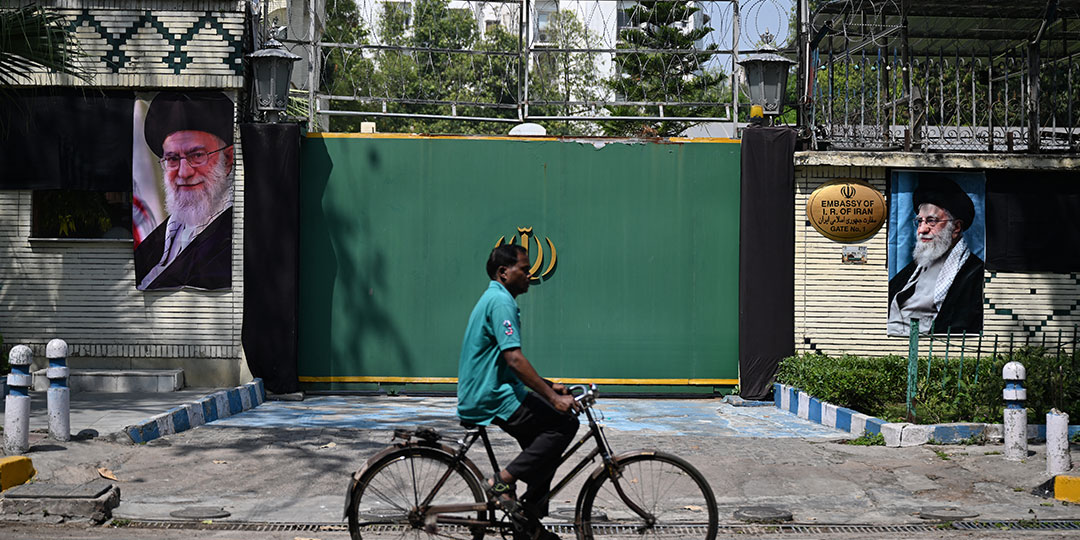
Iranian Foreign Minister Araghchi stated unequivocally on state television Wednesday that Iran “did not intend to negotiate” with the United States and intended to continue resistance against American and Israeli military operations. Araghchi emphasized that “our policy is the continuation of resistance,” establishing Iran’s commitment to sustained military response despite military losses and economic disruption.
Araghchi characterized even discussions of negotiations as “an admission of defeat,” suggesting that Iran views any acknowledgment of willingness to engage in talks as strategic weakness that would undermine domestic support and regional positioning. The foreign minister’s language indicates Iranian assessment that maintaining hardline public posture is essential to preserving legitimacy with domestic constituencies.
Strategic Messaging and Domestic Legitimacy
Araghchi’s insistence that Iran does not intend to negotiate appears designed to maintain hardline credentials domestically and prevent accusations of weakness or capitulation. By rejecting negotiations explicitly, Araghchi positions Iran as refusing to acknowledge military pressure and maintaining commitment to resistance despite Israeli and American claims of military achievements.
The characterization of negotiations as “admission of defeat” suggests that Iranian government fears that any acknowledgment of willingness to negotiate would undermine support among hardline constituencies and allow opponents to characterize leadership as surrendering to external pressure.
Trump Administration Threatens “Unleash Hell” on Iran
White House Press Secretary Karoline Leavitt issued explicit threat Wednesday that President Trump was prepared to “unleash hell” on Iran if it failed to accept a reported 15-point American peace proposal and acknowledge military defeat. Leavitt stated: “If Iran fails to accept the reality of the current moment… Trump will ensure they are hit harder than they have ever been hit before.”
The explicit threat to intensify military operations if Iran refuses to negotiate represents significant escalation in Trump administration messaging. The characterization of potential further attacks as “unleashing hell” suggests willingness to substantially expand military operations beyond current scope if Iran continues to refuse engagement.
Military Pressure Strategy
The Trump administration’s threat to intensify military operations if Iran refuses to negotiate suggests strategy of using military pressure to force Iran into diplomatic engagement. The threat implies that US military operations could expand to include ground invasion, expanded air strikes, or other escalatory measures if Iran maintains rejection of negotiations.
Contradictory Statements on Negotiation Status
Trump insisted Wednesday that Iran “was negotiating” and “wanted to make a deal so badly,” directly contradicting Araghchi’s explicit statements that Iran was not negotiating. Trump suggested that Iranian negotiators were denying participation in talks because they “fear being killed by their own people” and “fear being killed by us.”
The contradiction between Trump’s claims of active negotiations and Iran’s explicit denial of negotiations creates ambiguity about actual diplomatic status. The discrepancy suggests either Trump is misrepresenting Iranian positions or that some level of indirect communication is occurring that neither side is willing to characterize as formal negotiations.
Negotiation Status Ambiguity
The fundamental disagreement between Washington and Tehran regarding whether negotiations are occurring illustrates the complex diplomatic landscape. Trump’s suggestion that Iranian negotiators fear domestic consequences for admitting willingness to negotiate suggests some level of indirect communication through intermediaries while both sides maintain public postures of refusing direct engagement.
15-Point American Peace Plan Details
Pakistan announced that it had conveyed to Iran a 15-point American peace proposal designed to end the conflict. Press Secretary Leavitt acknowledged there were “elements of truth” to reports of the proposal. According to The New York Times, the plan addresses Iran’s contested nuclear and missile programs as well as maritime routes, presumably including reopening of the Strait of Hormuz.
Araghchi characterized the 15-point proposal as “various ideas” that had been conveyed to senior Iranian officials, suggesting government review of proposal elements while maintaining that this exchange did not constitute formal negotiations.
Content and Scope of Peace Proposal
The 15-point American peace plan’s inclusion of Iran’s nuclear program and missile programs suggests US effort to use military pressure to extract concessions regarding weapons development that were unachievable through normal diplomacy. The inclusion of maritime routes indicates US priority on reopening the Strait of Hormuz to global shipping.
Iran’s Counterproposal and Conditions
Iranian officials stated that Tehran had “responded negatively” to the American 15-point proposal and outlined five Iranian conditions for ending hostilities. Iranian conditions include robust mechanisms guaranteeing that neither Israel nor the United States would resume military operations, compensation for war damages, and cessation of hostilities on all regional fronts including against Hezbollah.
Iran also demands international recognition and guarantees of Iran’s sovereignty rights over the Strait of Hormuz. The comprehensive nature of Iranian conditions suggests Tehran seeks formal agreement addressing root causes of conflict rather than simple ceasefire.
Compensation and Sovereignty Demands
Iran’s demand for war damages compensation indicates assessment that Iran has sustained significant economic and military losses despite public claims of military achievement. The demand for guaranteed sovereignty over the Strait of Hormuz addresses US position that international waters should remain open to free passage.
Red Sea Blockade Threat
An unidentified Iranian military official told local media that in event of US ground invasion, Iran would block the Bab al-Mandeb Strait connecting the Indian Ocean to the Red Sea and Suez Canal. The threat represents escalation of Iranian counterthreats if US expands military operations to include ground invasion.
Iran supports the Houthi rebel group in Yemen, which could use blockade threat to attack vessels transiting strategic chokepoint. The threat indicates Iranian capacity to extend conflict beyond Middle East to global shipping lanes.
Global Economic Impact of Extended Blockade
The threat to block Bab al-Mandeb Strait would create dual economic pressure through disruption of both Strait of Hormuz and Red Sea shipping routes, potentially creating unprecedented global energy crisis. The threat demonstrates Iran’s capacity to impose economic costs on global economy through maritime disruption.
China’s Diplomatic Intervention
China’s Foreign Minister Wang Yi characterized conflicting signals from Washington and Tehran as representing a “glimmer of hope” for peace negotiations. Wang stated: “With both the United States and Iran signalling a willingness to negotiate, a glimmer of hope for peace has emerged.”
Wang urged dialogue between all parties and emphasized to Turkish and Egyptian counterparts that prolonging the war would only result in further casualties and spillover of conflict. China’s diplomatic intervention suggests assessment that escalating military pressure combined with diplomatic outreach might create conditions for negotiated settlement.
Chinese Mediation Role
China’s characterization of conflicting statements as signals of willingness to negotiate suggests interpretation of both sides’ positions as allowing diplomatic opening despite public posturing. China’s engagement with Turkey and Egypt as potential mediators suggests development of multilateral diplomatic framework for conflict resolution.
Trump Administration Military Pressure Escalation
The Trump administration announced deployment of thousands of additional US military personnel to the Middle East, with reports indicating 2,200-2,500 additional Marines heading to the region. The troop deployment combined with threats to “unleash hell” suggests preparation for potential escalation including possible ground invasion.
Trump announced rescheduling of visit to China to mid-May, explicitly stating that original March visit was postponed to address Middle East conflict. The timing and explicit announcement suggest Trump prioritizes Middle East conflict resolution over scheduled diplomatic visits.
Ground Invasion Speculation
Reports indicate Trump administration is considering ground invasion to seize Iranian oil assets in the Persian Gulf or secure the Strait of Hormuz. The deployment of additional Marines and airborne troops supports speculation that ground operations are under consideration despite Trump’s previous statements ruling out ground combat.
White House Maintains Four-to-Six Week Timeline
White House Press Secretary Leavitt stated that “approximately four to six weeks” timeline for military operations remains in effect, suggesting US assessment that military operations could achieve objectives within this timeframe. The timeline implies current military operations are approximately halfway through planned duration.
Timeline Implications for Diplomatic Resolution
The maintenance of four-to-six week timeline despite diplomatic signals suggests that Trump administration views military pressure as time-limited tool that must achieve results before operational fatigue or international pressure forces cessation of operations. The timeline pressure may explain urgency of threats and ultimatums regarding Iranian acceptance of peace proposal.
Humanitarian and Economic Crisis Expansion
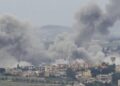
Lebanese authorities report that over 1,000 people have been killed and more than one million displaced in Israeli strikes over three weeks, with humanitarian crisis expanding across region. Energy prices remain elevated despite slight declines from peaks, with Brent crude trading above $100 per barrel.
The ongoing humanitarian crisis and economic disruption create pressure for diplomatic resolution, but neither Washington nor Tehran appears willing to make concessions sufficient for agreement.
Fourth Week Assessment
As the conflict enters its fourth week, the fundamental disagreement between Iran’s rejection of negotiations and Trump administration insistence that talks are occurring illustrates the absence of shared baseline assumptions necessary for diplomatic progress. The conflicting statements suggest that progress toward negotiated settlement will require substantial shift in either Tehran’s or Washington’s public positioning.
Key Diplomatic Developments:
- Iran FM explicitly rejects negotiations with United States
- Trump claims Iran is negotiating despite Tehran denials
- White House threatens to “unleash hell” if Iran doesn’t accept deal
- 15-point American peace proposal outlined in Pakistan discussions
- Iran responds negatively to 15-point proposal
- Iran outlines five counter-conditions for ending hostilities
- Iran threatens Bab al-Mandeb blockade if US invades
- China sees “glimmer of hope” for diplomatic resolution
- Additional US troops deploying to Middle East
- Trump administration maintains four-to-six week timeline
- 1,000+ killed in Lebanon from Israeli strikes
- Oil prices remain elevated above $100 per barrel
- Humanitarian crisis expands across region